

From Flare‑Ups to Flow: Harnessing Creativity When Autoimmune Disease Becomes Your Daily Companion
When I first heard the word “autoimmune” it sounded like a sci‑fi plot twist—my body, the very system meant to protect me, turning against itself. The diagnosis didn’t come with a neat handbook; it arrived with a swirl of questions, fatigue, and the unsettling feeling that I was constantly walking a tightrope between “good” and “bad” days. Over the past few years, I’ve learned that the most resilient response isn’t just about medical interventions or strict diet plans—it’s about inviting creativity into the very core of how we live with an autoimmune condition.
Why Traditional “Fix‑It” Strategies Fall Short
Most mainstream advice for autoimmune disease revolves around three pillars: medication, diet, and lifestyle modifications. While these are undeniably essential, they often feel like a checklist that never quite captures the lived reality of unpredictable flare‑ups. A diet that works for a month may leave you feeling sluggish the next, a medication schedule can clash with a demanding work deadline, and the “rest when you’re tired” mantra can feel like a permission slip to give up on goals you care about.
What’s missing is a framework that acknowledges the emotional and psychological turbulence that accompanies a chronic condition. This is where creativity steps in—not as a hobby you practice when you have spare time, but as a strategic tool you can lean on when your immune system decides to throw a curveball.
Creative Coping: A Science‑Backed Ally
Neuroscience tells us that engaging in creative activities lights up the brain’s reward circuitry, releases dopamine, and lowers cortisol—the stress hormone that can exacerbate inflammation. A 2022 study in Brain, Behavior, and Immunity demonstrated that participants who spent just 20 minutes a day on a creative pursuit (drawing, writing, or playing music) showed measurable reductions in pro‑inflammatory cytokines. In other words, art isn’t just soothing; it’s actively calming the immune system.
For someone navigating autoimmune disease, this translates into a practical, low‑cost weapon: any activity that invites you to make, imagine, or express can help keep the inflammatory fire at bay.
Mapping Your Creative Arsenal
Below is a flexible menu of creative options, organized by the amount of time you might have on a given day. Feel free to mix, match, and adapt based on your energy levels.
- Micro‑Creative Moments (5‑10 minutes): doodle a quick sketch, write a haiku about your current mood, or experiment with a new coffee latte art design.
- Focused Flow Sessions (30‑45 minutes): immerse yourself in watercolor painting, craft a short story, or learn a simple chord progression on a guitar.
- Deep‑Dive Projects (1‑2 hours): start a photography series that documents your daily environment, design a personal journal layout, or compose a piece of music that reflects your flare‑up journey.
The key is consistency, not perfection. Even a tiny burst of creative energy can send a signal to your brain that you are in control, which in turn helps modulate the immune response.
Integrating Creativity With Your Existing Health Toolkit
Creativity works best when it complements, rather than competes with, your established health practices. Here’s how you can weave it into three core pillars:
1. Medication & Appointments
Use your medication reminder app as a prompt for a quick creative check‑in. When the alarm sounds, instead of reaching for the phone to log a dose, spend the next minute jotting down how your body feels. This habit creates a mental bridge between treatment adherence and self‑reflection.
2. Nutrition & Gut Health
Your gut microbiome plays a pivotal role in autoimmune regulation. If you’re curious about how food influences your condition, explore the Microbiome Mastery article for a deep dive. Then, get creative in the kitchen: experiment with color‑rich, anti‑inflammatory meals, and document each recipe with a photo and a brief narrative about how it made you feel. Over time, you’ll build a personalized culinary journal that doubles as a mood tracker.
3. Physical Activity & Movement
Movement doesn’t have to be a regimented workout. Consider Playful Fitness as a springboard: turn a short walk into a “sensory scavenger hunt,” noting the textures, sounds, and colors you encounter. When you return home, sketch or write about the experience. The combination of gentle movement and artistic reflection can reduce joint stiffness and mental fatigue.
Creative Community: You’re Not Alone
One of the most powerful aspects of creative coping is the sense of belonging it can foster. Online forums, local art therapy groups, and even social media challenges provide spaces where people with autoimmune disease share their art, poems, and stories. Seeing another person’s watercolor that captures “the ache of a flare” can validate your own experience and inspire new ideas.
If you’re hesitant to share publicly, start a private journal—digital or paper—and treat it as a safe harbor. Over time, you may feel comfortable curating a small exhibition of your work, whether on a personal blog, an Instagram carousel, or a community art night at a local library.
When Creativity Meets Technology
Modern tech offers a wealth of tools that amplify creative expression without adding stress. Apps like Procreate for digital painting, Notion for journaling, or even simple voice‑to‑text features on your smartphone can lower the barrier to entry, especially on days when fine motor skills feel compromised.
Moreover, data‑driven health platforms are beginning to integrate creative metrics. Imagine a health dashboard that not only tracks blood markers and sleep but also logs the frequency of your creative sessions and correlates them with flare intensity. While this is still an emerging field, the concept underscores a growing recognition that wellbeing is multidimensional.
Balancing Creative Energy With Rest
It’s easy to romanticize the “always‑creating” mindset, but for autoimmune patients, pacing is essential. The same dopamine boost that fuels creativity can also lead to overstimulation if you push too hard during a low‑energy phase. Here are three guidelines to keep the balance:
- Listen to Your Body: If you feel a flare coming on, shift from a high‑intensity project to a gentle activity like coloring or listening to ambient music.
- Schedule “Creative Rest”: Just as you block time for medication, set aside short periods where you do nothing creative—allowing your brain to consolidate the benefits of prior sessions.
- Use Rest as Inspiration: Some of my most vivid sketches have emerged from the moments I spent simply lying still, observing the rhythm of my breathing.
Success Stories: Real‑World Examples
Lena, a 34‑year‑old software engineer with lupus, began a weekly digital comic strip that humorously depicted her “battle with the invisible monster.” Within three months, she reported a 20% reduction in perceived pain levels and an improved mood, as measured by a simple weekly questionnaire.
Marcus, a high‑school teacher managing rheumatoid arthritis, started a classroom “story‑telling hour” where he and his students created collaborative narratives. The activity not only reduced his joint stiffness (thanks to gentle vocalization and breath control) but also strengthened his bond with students, mitigating the social isolation often felt by chronic patients.
These anecdotes highlight a common thread: creativity becomes a conduit for agency, turning the narrative from “I am a victim of my disease” to “I am a creator navigating my condition.”
Practical Steps to Launch Your Creative Journey Today
- Identify a Tiny Prompt: Choose a 5‑minute activity that feels achievable—maybe doodling a coffee cup or writing a single sentence about your morning.
- Set a Consistent Cue: Pair the activity with a daily routine (e.g., after brushing teeth or before your first medication of the day).
- Document the Experience: Use a simple notebook or a phone note to capture how you felt before and after the session.
- Reflect Weekly: Review your entries to spot patterns—do certain colors, mediums, or themes align with lower flare intensity?
- Iterate & Expand: Gradually increase the time or complexity of your creative practice as your energy allows.
Final Thoughts: Reclaiming Narrative Power
Living with an autoimmune disease often feels like being stuck in a loop of medical appointments, medication adjustments, and unpredictable symptoms. By inviting creativity into that loop, you break the monotony, inject joy, and give your brain a tangible way to signal calm to the immune system. It’s not a cure—nothing can replace the expertise of your healthcare team—but it is a potent, accessible ally that empowers you to shape your own story.
So the next time you feel a flare brewing, consider swapping a scrolling session on social media for a quick sketch, a short poem, or a handful of photos that capture the world through your unique lens. In the act of creation, you’ll discover a quiet strength that no lab result can fully quantify.

Kelly Reynolds is a dynamic freelance writer hailing from the picturesque landscapes of Alberta. A master of the written word, she juggles her passion for storytelling with the exhilarating chaos of being a mother to five spirited children. With an impressive portfolio that spans various genres, Kelly captivates readers through her engaging blog posts and thought-provoking articles.
Related Posts
Autoimmune Resilience: Harnessing Wearable Data to Outsmart Flare-Ups
Learn how continuous biometric monitoring, smart biofeedback loops, and intentional environmental tw... Read More
Decoding Autoimmune Signals for Everyday Control
A practical guide that turns autoimmune flare‑ups from unpredictable crises into manageable patter... Read More

Finding Freedom Within: A Story‑Driven Path to Living Well with Autoimmune Disease
Discover how storytelling, micro‑journaling, and intentional lifestyle tweaks can empower you to t... Read More
Top Posts
When Your Internal Clock Gets the Wrong Invite: A Chronotype‑Driven Approach to Insomnia
Insomnia often stems from a clash between your body’s innate chronotype and modern schedules. Learn practical steps—light exposure, sensory cues, and increm...Read More
Cultivating Cognitive Vitality Through Micro‑Learning
Micro‑learning—short, focused knowledge bites—offers a practical roadmap to enhance brain health, improve memory, and boost workplace performance through ...Read More
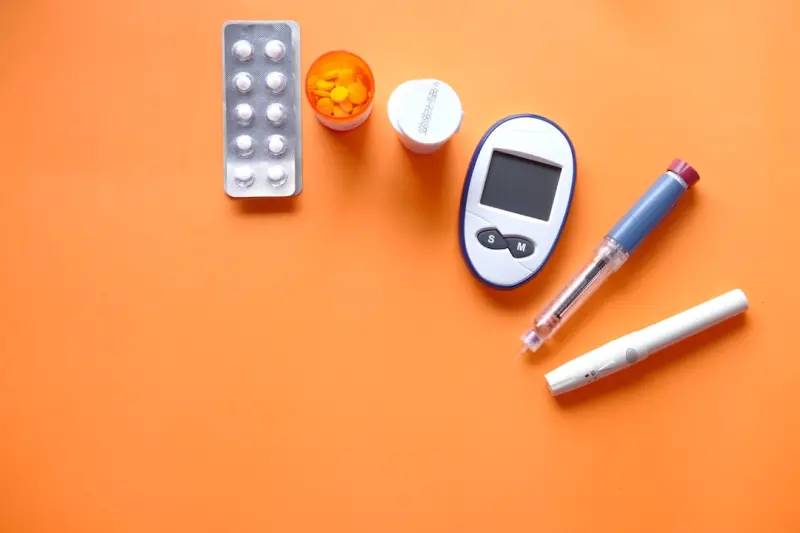
The Quiet Levers of Blood Sugar: Tiny Shifts for Consistent Energy
A high‑performer’s guide to mastering blood sugar through stress management, micro‑movement, epigenetic foods, and real‑time data, turning hidden levers...Read More

Embracing Vibrant Longevity: A Holistic Guide to Healthy Aging
A personal, science‑backed guide to thriving later in life—covering nutrition, movement, sleep, gut health, and purposeful connection for vibrant healthy ag...Read More
0 Comments
Post Comment
You will need to Login or Register to comment on this post!