
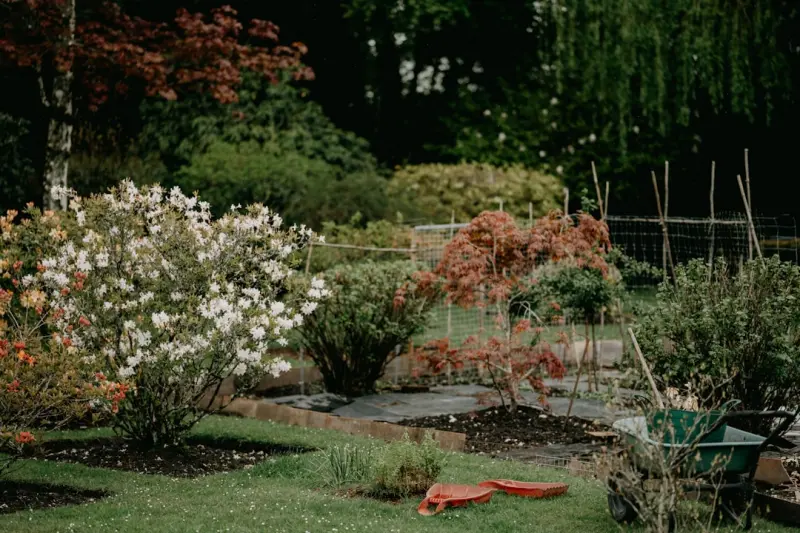
Re‑imagining the Later Years: How Sensory Gardens, Storytelling, and Rhythm Can Rejuvenate Aging
When I first stepped into a community garden at the age of fifty‑seven, the scent of rosemary and rosemary‑infused breeze reminded me of a forgotten childhood kitchen. The experience was more than nostalgic; it was a subtle, measurable boost to my mood, focus, and sense of belonging. Over the past decade I’ve watched my own body shift, my mind wander, and my social circles evolve. I’ve also observed a pattern: the most vibrant seniors aren’t just those who exercise or take supplements—they are the ones who actively engage their senses, weave stories, and create rhythmic daily rituals.
In this post, I’ll share three intertwined practices that have transformed my approach to healthy aging:
- Sensory gardening and nature immersion – using the five senses to stimulate neuroplasticity and hormonal balance.
- Storytelling circles – harnessing narrative to reinforce memory, identity, and emotional resilience.
- Rhythmic social habits – establishing predictable communal rhythms that support circadian health and social connectivity.
These strategies are grounded in emerging science, yet they feel ancient—like rediscovering a forgotten language that our bodies have always understood. Below, I dive into the why, the how, and the practical steps anyone can adopt, regardless of garden size or social network.
The Science of Sensory Stimulation
Our senses are more than pathways for pleasure; they are direct lines to the brain’s limbic system, the hub for emotion, memory, and hormone regulation. When a fragrant herb tickles the nose, the olfactory bulb sends signals straight to the hippocampus, the region responsible for forming new memories. This shortcut can help counteract the typical age‑related decline in hippocampal volume.
Research shows that multisensory environments boost neurotrophic factors like BDNF (brain‑derived neurotrophic factor), which supports the growth of new neurons. Even low‑intensity sensory exposure—such as touching soft moss or hearing water trickle—can trigger these biochemical cascades.
But you don’t need a sprawling botanical garden to reap these benefits. Here are three scalable ways to incorporate sensory richness into everyday life:
- Micro‑garden kits: Small, container‑based herb gardens can sit on a balcony or kitchen windowsill. Rotate herbs weekly to keep the scent profile fresh.
- Tactile pathways: Lay down a textured walkway using stones, reclaimed wood, or even reclaimed fabric mats. The varied foot sensations stimulate proprioception and balance.
- Soundscapes: Install a simple wind chime or a water feature. Natural sounds synchronize brain waves to the alpha rhythm, a state associated with relaxed focus.
When I added a modest rosemary‑lavender border to my balcony, I began to notice subtle changes: sharper recall of grocery lists, a calmer response to stressful emails, and a lingering sense of calm that lasted well beyond the gardening hour. The key is consistency—treat the garden as a daily “sensory appointment” rather than an occasional hobby.
Storytelling as a Cognitive Gym
Our second pillar—storytelling—may sound whimsical, but it’s a proven cognitive workout. When we narrate personal experiences, we engage the prefrontal cortex (decision‑making), the temporal lobes (memory), and the language centers simultaneously. This multi‑regional activation strengthens neural pathways and fortifies the brain against age‑related fragmentation.
Community‑center storytelling circles have surged in popularity, yet many seniors shy away, fearing they lack “interesting” stories. The truth? Every life is a tapestry of micro‑moments worth sharing. By framing everyday anecdotes—like the first time you baked a loaf of sourdough or the misadventure of a missed train—you provide your brain with varied semantic material to encode.
Consider these practical tips to start your own storytelling habit:
- Pick a theme each week (e.g., “First Jobs,” “Travel Mishaps,” “Family Recipes”). This focus gives structure and reduces the pressure to “invent” stories.
- Record and replay—use a simple voice‑memo app to capture narratives. Listening back reinforces memory consolidation.
- Invite intergenerational dialogue—pairing seniors with younger family members creates a feedback loop where each generation learns from the other, amplifying the emotional impact.
My own “Story Sunday” sessions at the local senior hub have become a cherished tradition. Participants share a single memory each, and we collectively stitch them into a living chronicle of our community. The laughter, the occasional tears, and the shared recognition of common threads have turned these gatherings into a powerful antidote to isolation.
Rhythmic Social Habits: The Hidden Clockwork of Well‑Being
We often hear about the importance of sleep hygiene, but rhythmic social habits—predictable patterns of interaction—are equally vital for healthy aging. Humans are hard‑wired to thrive on regular social rhythms. Think of a weekly book club, a daily walk with a neighbor, or a monthly potluck. These recurring events act as external cues that reinforce our internal circadian rhythms, improve mood, and reduce feelings of loneliness.
In fact, a recent study linked early health signals such as subtle glucose spikes to irregular social patterns. Participants who maintained a stable schedule of social engagement showed better insulin sensitivity and lower inflammatory markers.
Here’s how you can weave rhythmic social habits into your life without overcommitting:
- Anchor a weekly anchor: Choose a single day (e.g., Wednesday) for a brief 30‑minute coffee catch‑up, either in person or via video call. Consistency beats frequency.
- Leverage community resources: Many libraries host free “story circles” or “gardening clubs.” Joining one adds structure to your calendar without extra planning.
- Micro‑routines for connection: A quick “good morning” text to a friend, or a shared playlist, creates a daily thread of social continuity.
My favorite rhythm is the “Sunset Stroll” – a 15‑minute walk with my neighbor at the same time each evening. The routine signals to my body that it’s time to unwind, and the shared conversation keeps my mind agile. Over months, I’ve noticed improved sleep quality and a noticeable uplift in my overall mood.
Integrating the Three Pillars: A Sample Week
Below is a realistic, low‑pressure weekly template that blends sensory gardening, storytelling, and rhythmic social habits. Feel free to adapt it to your own schedule, interests, and physical abilities.
| Day | Morning | Afternoon | Evening |
|---|---|---|---|
| Monday | 10‑minute mindful breathing with a scented candle | Water garden containers; note any new growth | Sunset Stroll (15 min) with neighbor |
| Tuesday | Quick “good morning” text to a friend | Attend community “Story Circle” (30 min) | Read a short story aloud (self‑narration) |
| Wednesday | Walk to local market; engage senses with fresh produce | Plant a new herb or replace an old one | Weekly video call with family (30 min) |
| Thursday | Gentle stretching while listening to a nature soundscape | Write a brief personal anecdote; record on phone | Relax with a cup of chamomile tea and a gratitude journal |
| Friday | Early breakfast with fresh berries; savor texture and flavor | Participate in a local gardening workshop (if available) | Social movie night with a small group (optional) |
| Saturday | Attend a community market; chat with vendors | Mini‑clean‑up of garden pathways (tactile activity) | Family dinner—share a story from the week |
| Sunday | Quiet meditation with a calming scent (lavender or sandalwood) | Review recorded stories; pick one to refine | Early bedtime; reflect on the week’s sensory highlights |
This schedule is deliberately flexible. The goal isn’t to fill every hour but to embed a handful of purposeful touchpoints that reinforce the brain‑body connection.
Measuring Impact Without Obsessing Over Numbers
Many of us grew up in a data‑driven culture, constantly tracking steps, calories, and sleep hours. While metrics can be motivating, an overreliance on numbers can cause anxiety, especially when progress feels slow.
A balanced approach is to pair qualitative observations with occasional quantitative checks. For example:
- Journal entries: Note mood shifts, memory clarity, or energy levels after a garden session.
- Simple cognitive checks: Use a free online memory game once a month to gauge any improvements.
- Health check‑ins: Discuss with your physician any changes in blood pressure or glucose levels—especially if you’re incorporating brain fuel strategies like omega‑3s or micronutrient supplements.
Over time, patterns will emerge. You may find that a particular scent boosts focus during work, or that a weekly storytelling session reduces feelings of loneliness more effectively than a solitary hobby.
Overcoming Common Barriers
Physical Limitations: If mobility is a concern, consider raised garden beds or indoor herb kits. Even a windowsill garden offers tactile and olfactory stimulation.
Social Anxiety: Start small. A one‑on‑one coffee with a trusted friend can evolve into a larger group gathering. Remember, the rhythm is what matters—not the size of the crowd.
Time Constraints: The beauty of these practices lies in their modularity. A 5‑minute scent inhalation or a single sentence recorded on your phone can fit into a busy day.
Why This Matters: The Bigger Picture
Healthy aging isn’t just about extending lifespan; it’s about enriching the lived experience of each additional year. By nurturing our senses, sharing narratives, and establishing rhythmic social patterns, we create a resilient internal ecosystem that can weather the inevitable challenges of aging.
In my own journey, I’ve seen a measurable lift in mood, sharper recall of names and appointments, and a deeper sense of community belonging. The practices outlined above are not magic bullets, but they are evidence‑based tools you can start using today, one sensory breath, one story, and one shared moment at a time.
Take a step—whether it’s planting a basil seed, recalling a favorite childhood memory, or setting a weekly call—and watch how the ripple effects can transform not only your own aging experience but also the collective vitality of those around you.

Related Posts

Unlocking the Secrets to Healthy Aging: A Holistic Approach
Healthy aging requires a holistic approach that takes into account the complex interplay between phy... Read More

Playful Curiosity: A Fresh Blueprint for Healthy Aging
A personal guide to using curiosity, play, and social storytelling to stay mentally sharp, physicall... Read More
Cultivating Purpose: The Secret Ingredient for Thriving in Later Life
Explore how purpose-driven activities, volunteering, and creative hobbies can boost brain health, st... Read More
Top Posts
Rewilding Rehabilitation: How Nature and Play Transform Physiotherapy
Physiotherapy meets the outdoors in this fresh perspective, exploring how natural terrain, playful challenges, and social connection can accelerate healing and ...Read More

Quiet Pressure: Harnessing Breath, Rhythm, and Environment to Tame Hypertension
Learn practical, low‑effort strategies—diaphragmatic breathing, brief movement bursts, and environmental tweaks—to gently reduce hypertension and support ...Read More

Decoding Sleep Terrors: A Holistic Path to Nighttime Calm
Sleep terrors are more than scary episodes; they’re signals from an overactive nervous system. This post offers a holistic toolkit—vagal breathing, environm...Read More

Beyond the Snore: Turning Sleep Apnea Into a Catalyst for Health and Connection
Sleep apnea isn’t just a nighttime nuisance—it affects brain waste clearance, relationships, and overall health. Learn holistic tactics to improve breathing...Read More
0 Comments
Post Comment
You will need to Login or Register to comment on this post!