
Why Your Gut Deserves a Seasonal Strategy
When I first started juggling client deadlines, late‑night brainstorming sessions, and a relentless inbox, I blamed my foggy brain on “just being busy.” It wasn’t until a routine blood panel showed subtle inflammation that I realized my gut was sending distress signals. The gut isn’t just a food‑processing tube—it’s a living, breathing ecosystem that reacts to the seasons, your stress levels, and even the colors on your plate. Treat it as a personal operating system and you’ll notice a dramatic shift in clarity, creativity, and stamina.
Reframing Gut Health: From Digestion to Decision‑Making Engine
Most wellness articles treat the gut as a “digestive organ” and stop there. I prefer to see it as an gut‑brain dialogue that constantly negotiates with your nervous system, hormones, and immune responses. This dialogue determines not only how you feel after a burrito, but also how you react to a sudden deadline or an unexpected pitch. When the microbiome is diverse and balanced, the signals it sends are clear, calm, and supportive of higher‑order thinking.
Microbial Diversity as a Creative Engine
Creativity thrives on novelty, and novelty thrives on diversity. The same principle applies to the trillions of microbes inhabiting your intestines. A gut populated by a wide range of bacterial strains produces a richer cocktail of short‑chain fatty acids, neurotransmitters, and vitamins—all of which feed the brain’s default mode network, the hub for divergent thinking.
- Butyrate—a short‑chain fatty acid—has been shown to reinforce the blood‑brain barrier and sharpen focus.
- GABA produced by certain Lactobacillus strains can dampen anxiety, freeing you to explore bold ideas.
- Serotonin (about 90% of it is made in the gut) influences mood stability, a prerequisite for sustained creative flow.
In practice, this means that a diet rich in varied fibers, fermented foods, and seasonal produce can literally “fuel” your next breakthrough.
The Seasonal Reset: Aligning Your Microbiome with Nature’s Rhythms
Our ancestors didn’t live on a year‑round supermarket diet; they ate what the earth offered each season. Their gut microbes adapted to those cycles, entering periods of abundance and scarcity that kept the ecosystem resilient. Modern life lets us eat the same processed snacks every day, and our microbiome pays the price.
Here’s a simple, four‑season framework I use:
- Spring – Re‑seed: Focus on fresh, leafy greens, sprouts, and raw herbs. These are high in inulin and fructooligosaccharides, prebiotic fibers that jump‑start the growth of beneficial Bifidobacteria.
- Summer – Ferment: Embrace fermented staples—kimchi, sauerkraut, kombucha, and yogurt. Warm temperatures accelerate fermentation, boosting the presence of lactobacilli that produce GABA and lactic acid.
- Fall – Harvest & Balance: Incorporate root vegetables, squash, and nuts. The complex carbohydrates and polyphenols provide a slower, sustained feed for microbiota, helping to stabilize blood sugar and mood as days shorten.
- Winter – Gentle Reset: Opt for bone broth, cooked soups, and low‑FODMAP vegetables. A brief, gentle “fast” on heavy fermentables reduces microbial overgrowth and gives the gut lining time to repair.
By syncing your meals with these natural cycles, you create a rhythm that mirrors the microbiome’s own ebb and flow, enhancing resilience and reducing the “boom‑bust” inflammation that often sabotages creative stamina.
Practical Rituals for Busy Professionals
If you’re reading this between Zoom calls, you need actionable habits that don’t require a kitchen overhaul. Here are three micro‑rituals you can embed into a typical workday:
- Morning Fiber Sprint (5 minutes) – Toss a handful of mixed berries, a spoonful of chia seeds, and a splash of kefir into a blender. Sip while you scan your inbox. The quick soluble fiber fuels beneficial bacteria before the day’s stressors hit.
- Mid‑Afternoon Ferment Pause (3 minutes) – Keep a small jar of raw sauerkraut or kimchi at your desk. A tablespoon provides a probiotic boost and a mental break, which research shows can improve problem‑solving performance.
- Evening Gut‑Calm Routine (7 minutes) – Brew a cup of ginger‑turmeric tea, add a pinch of black pepper (it enhances curcumin absorption), and sip while journaling your day’s highlights. The anti‑inflammatory compounds support gut lining repair before sleep.
Beyond Probiotics: Whole‑Ecosystem Nutrition
Commercial probiotic supplements are a popular entry point, but they’re only one piece of the puzzle. Think of your gut as a garden:
- Soil (Prebiotics) – These are the fibers that feed the microbes already living there. Include chicory root, garlic, onions, and leeks.
- Plants (Fermented Foods) – They introduce live cultures that diversify the ecosystem.
- Sunlight (Polyphenols) – Berries, dark chocolate, and green tea deliver antioxidants that protect microbial DNA.
- Water (Hydration) – Adequate fluid intake maintains mucus layers that protect the gut lining.
When you nurture all four elements, you’re not just adding “good bacteria”; you’re cultivating an environment where they can thrive long‑term.
Measuring Success: Simple Metrics & Mindful Tracking
Data‑driven professionals love metrics. Here are three low‑effort indicators you can monitor without a lab:
- Stool Consistency (Bristol Chart) – Aim for Type 3–4 (smooth, sausage‑shaped). Sudden shifts can signal dysbiosis.
- Energy Peaks & Crashes – Log when you feel most focused vs. foggy. Correlate with meals to spot patterns.
- Skin & Mood Fluctuations – The gut‑skin axis and gut‑brain axis often manifest as breakout cycles or mood swings. Note any improvements after dietary tweaks.
For deeper insight, you can explore the longevity blueprint and see how gut health integrates with broader lifestyle optimization.
Integrating Gut Health with Physical Performance
Even if you’re not a bodybuilder, the gut influences muscle recovery and endurance. A balanced microbiome reduces systemic inflammation, which means less post‑workout soreness and faster repair. Check out the holistic growth playbook for strategies that pair gut‑friendly nutrition with smart training.
Conclusion: Turn Your Gut Into a Seasonal Powerhouse
Gut health isn’t a static checklist; it’s a dynamic, seasonal system that thrives on variety, rhythm, and mindful care. By treating your microbiome as an adaptive partner—one that fuels creativity, steadies mood, and supports performance—you gain a silent ally in every professional challenge.
Start with one micro‑ritual today, honor the seasons in your pantry, and watch as your ideas become clearer, your focus sharper, and your resilience deeper. Your gut is listening—give it a story worth responding to.

Sarah Gray is a proud Canadian who calls Brampton home, where she lives with her husband, Paul. A passionate home cook and gifted storyteller, Sarah loves creating delicious recipes and sharing stories inspired by everyday life, family, and cherished experiences. When she isn't experimenting in the kitchen, she's busy crafting engaging content that reflects her warmth, creativity, and love of connection. Above all, Sarah treasures time spent with her grandchildren, embracing every opportunity to create lasting memories with the people she loves most.
Related Posts
Rewilding Your Gut: The Power of Soil‑Based Probiotics
A deep dive into soil‑based probiotics reveals how these ancient, spore‑forming microbes can div... Read More

Designing Your Gut Landscape: A Fresh Guide to Microbial Mastery
Discover a city‑planning metaphor for gut health, with practical design principles, seasonal food ... Read More
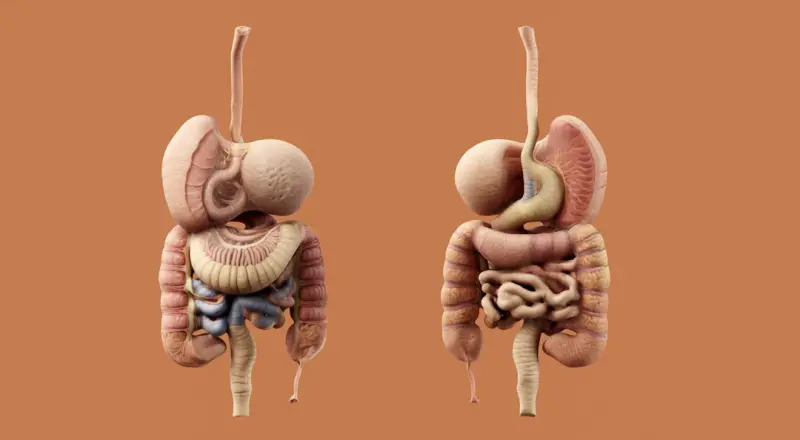
Why Your Gut Is the CEO of Your Decision‑Making
Jessica Hall explains the science behind the gut‑brain connection and shares actionable steps to h... Read More
Top Posts

The Community Cure: Intergenerational Learning for Senior Wellness
A deep dive into how intergenerational mentorship programs empower seniors with cognitive, physical, and social benefits, turning shared learning into a powerfu...Read More

Designing a Flexible Work Routine That Syncs With Narcoleptic Energy Peaks
Discover practical tactics to align work tasks with narcoleptic energy bursts, turning unpredictable sleep into a strategic advantage for career growth....Read More
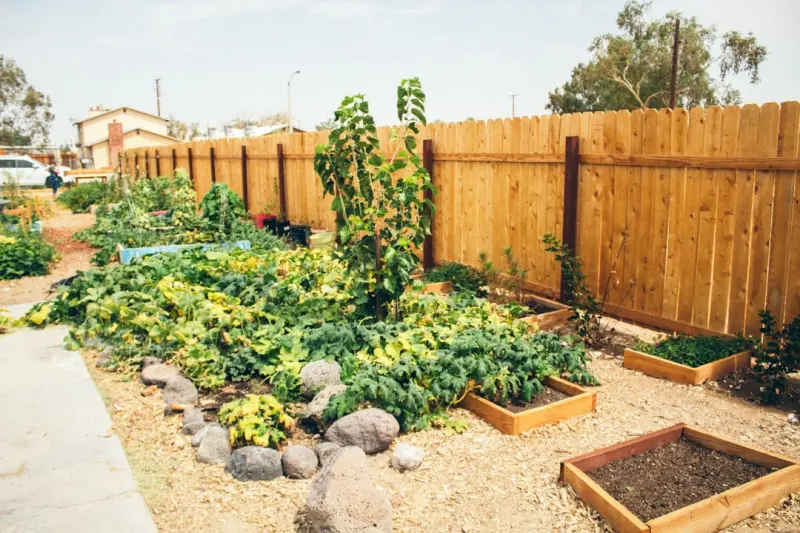
Cultivating Vitality: How Community Gardens Empower Senior Well‑Being
Community gardening offers seniors a powerful blend of exercise, cognitive stimulation, emotional resilience, and social connection. Learn the benefits, how to ...Read More

Curiosity as a Longevity Engine: How Lifelong Learning Fuels Healthy Aging
Curiosity isn’t just a hobby—it’s a neuro‑protective habit. Learn practical ways to embed lifelong learning into daily life, enhancing brain health, moo...Read More
0 Comments
Post Comment
You will need to Login or Register to comment on this post!