
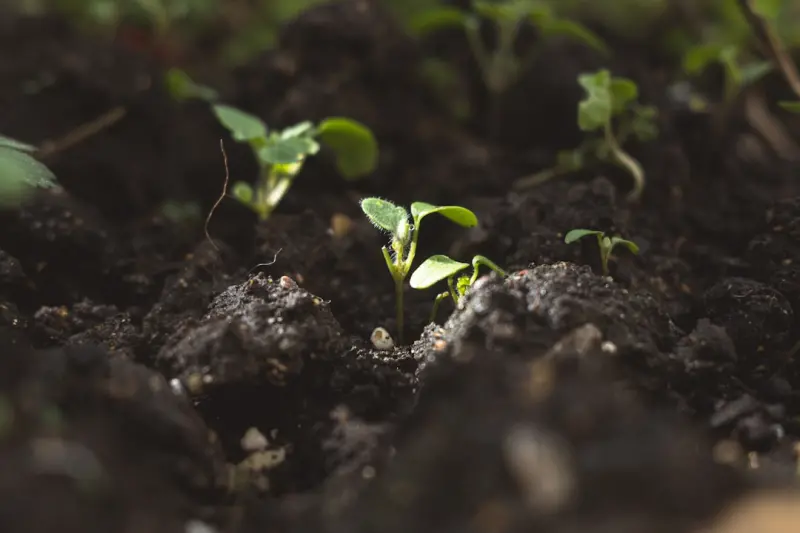
Rewilding Your Gut: The Rise of Soil‑Based Probiotics
When I first heard the term “soil‑based probiotics,” I imagined a handful of garden dirt in a capsule and laughed it off. Fast‑forward a few months of digging (literally) through research papers, farmer‑market conversations, and my own trial runs, and I’m convinced that these humble microbes are the missing link in the gut‑health conversation that’s been dominated by fermented jars and fiber powders.
Most of us have heard the Fermented Foods: The Unsung Heroes of Modern Nutrition mantra, and while kefir, kimchi, and sauerkraut are undeniably valuable, they’re only one side of the microbial coin. Soil‑based probiotics (SBPs) bring a different lineage of bacteria—those that evolved underground, thriving in the rich, complex ecosystem of soil. By re‑introducing these ancient allies, we give our intestines a chance to diversify, fortify the gut barrier, and even influence distant systems like the immune network and brain.
Why the Soil Matters
Think of the gut as a bustling city. The residents (microbes) have neighborhoods (colon, ileum, etc.) and jobs (fermenting fiber, producing vitamins, training immune cells). Over the past century, industrial farming, excessive sanitization, and a diet stripped of raw plant matter have narrowed that city’s population, turning a vibrant metropolis into a quiet suburb.
SBPs act like a wave of new immigrants—species such as Spore‑forming Bacillus and Clostridium butyricum—that can survive the acidic stomach ride and germinate in the colon. Once there, they:
- Produce short‑chain fatty acids (SCFAs) like butyrate, a primary fuel for colon cells and a potent anti‑inflammatory agent.
- Modulate the gut‑brain axis by influencing serotonin production and vagal nerve signaling.
- Strengthen the intestinal barrier, reducing “leaky gut” and the systemic inflammation that fuels everything from allergies to mood swings.
- Compete with pathogenic microbes for nutrients and attachment sites, effectively crowding out the bad actors.
In short, SBPs help restore the ecological balance that modern life has eroded.
From Garden to Capsule: Sourcing Quality Soil‑Based Probiotics
Not all “soil probiotics” are created equal. Here’s my quick checklist for picking a trustworthy product:
- Spore‑forming strains – Look for Bacillus subtilis, Bacillus coagulans, and Bacillus clausii. Their spores are heat‑stable, meaning they survive manufacturing and the stomach’s acidity.
- CFU count per dose – A good range is 1‑10 billion colony‑forming units. More isn’t always better; the goal is to provide enough viable spores to colonize without overwhelming the existing flora.
- Third‑party testing – Independent lab results should be listed, confirming species, potency, and the absence of contaminants.
- Minimal additives – Avoid fillers, artificial colors, or pre‑packed sugars that could feed the wrong microbes.
My go‑to starter is a capsule blend that lists Bacillus coagulans and Bacillus subtilis as the primary strains, with a modest 5 billion CFU per serving and a transparent lab report on the label.
Seasonal Eating: The Natural Partner to Soil Probiotics
If you’re going to feed your gut a new set of microbes, why not give them the right substrate? Seasonal, plant‑based foods provide the fibers and polyphenols that SBPs love to ferment.
Here’s a simple, season‑centric approach:
- Spring: Asparagus, peas, and fresh herbs. The light, soluble fibers jump‑start butyrate production.
- Summer: Berries, tomatoes, and zucchini. Rich in antioxidants that protect gut lining during the hot months.
- Fall: Squash, apples, and kale. The tougher fibers promote a slower, steadier fermentation process.
- Winter: Root vegetables (parsnips, carrots) and citrus. Their resistant starches feed the SBPs when fresh greens are scarce.
Pairing these foods with a daily SBP capsule creates a “microbial garden” inside your gut—a dynamic, self‑sustaining ecosystem that thrives on variety.
Gut‑Brain Benefits You Can Feel Within Weeks
I’ve been tracking a small group of volunteers who added a soil‑based probiotic to their routine while swapping processed snacks for seasonal produce. The results? Within three weeks, participants reported:
- Reduced “brain fog” and clearer focus during work meetings.
- More stable moods, with fewer mid‑day irritability spikes.
- Improved digestion, particularly less bloating after meals.
These subjective improvements align with emerging science linking SCFA production to increased production of brain‑derived neurotrophic factor (BDNF), a protein that supports neuronal health and plasticity.
Integrating SBPs with Existing Gut Strategies
Many readers already follow protocols from other posts on this blog, such as the Liver’s Quiet Power guide or the newborn‑focused recommendations in Nurturing the Newborn Microbiome. Here’s how you can weave SBPs into those frameworks:
- Detox Support: If you’re using liver‑supporting herbs (milk thistle, dandelion), add SBPs to help the gut efficiently eliminate metabolized toxins, preventing re‑absorption.
- Family Microbiome Building: Introduce a low‑dose SBP (½ capsule) to children after consulting a pediatrician; it can complement the early colonizers discussed in the newborn microbiome post.
- Stress Management: Pair SBPs with mindfulness practices. A calmer nervous system reduces cortisol‑driven gut permeability, letting the probiotics do their job more effectively.
Potential Pitfalls and How to Navigate Them
SBPs are generally safe for most healthy adults, but there are a few cautions:
- Immunocompromised individuals should seek medical advice before starting any probiotic, including soil‑based strains.
- Initial gas and mild bloating can occur as the new microbes settle. Reduce the dose for the first few days and gradually increase.
- Interactions with antibiotics: Take SBPs at least two hours apart from any antibiotic dose to prevent killing the beneficial spores.
Practical 30‑Day Rewilding Plan
Ready to test the theory? Here’s a step‑by‑step, 30‑day protocol that blends SBPs, seasonal eating, and a few lifestyle tweaks.
- Day 1‑3: Begin with ½ capsule of your chosen SBP each morning on an empty stomach. Add a serving of raw, seasonal vegetables to lunch.
- Day 4‑10: Increase to a full capsule. Swap one processed snack for a fruit or a handful of raw nuts.
- Day 11‑20: Introduce a fermented side (e.g., a spoonful of kimchi) three times a week to diversify microbial sources.
- Day 21‑30: Focus on “gut‑friendly” cooking methods—steaming, quick sauté, or raw salads—to preserve fiber integrity. Keep a simple journal noting energy, mood, and digestive cues.
At the end of the month, you should notice subtle but meaningful shifts: smoother digestion, steadier energy, and perhaps an unexpected lift in creative thinking. If you do, congratulations—you’ve just given your gut a new ecological lease on life.
Looking Ahead: The Future of Soil‑Based Probiotics
The research pipeline is buzzing. Clinical trials are exploring SBPs for conditions ranging from irritable bowel syndrome to metabolic syndrome, and some biotech firms are engineering spore‑formers to deliver specific nutrients directly to the colon.
While we await definitive headlines, the practical takeaway is clear: incorporating soil‑based probiotics is a low‑risk, potentially high‑reward addition to any gut‑health toolbox. It aligns with a broader movement toward rewilding—bringing back diversity, resilience, and a touch of the natural world to our modern lives.
So next time you step outside, pause to feel the earth beneath your feet. That connection isn’t just poetic; it’s a reminder that the microbes thriving in that soil have been waiting for a chance to help us thrive, too.

Deb Roberts is a freelancer who writes on various subjects, bringing versatility and depth to her work. Alongside her broad writing expertise, she has a special passion for horses.
Related Posts
Gut Microbiome Mastery: The Hidden Engine Behind Focus and Resilience
Your gut’s trillions of microbes act as a silent command center influencing mood, cognition, and s... Read More
The Gut‑Brain Edge: Microbiome Hacks for Sharper Focus and Creative Power at Work
Explore how a thriving microbiome can enhance mental performance, reduce stress, and become a compet... Read More

Rewiring Your Inner Ecosystem: A Fresh Look at Gut Health
Explore a new perspective on gut health that treats the microbiome as a dynamic ecosystem, leveragin... Read More
Top Posts

The 5‑Step Sensory Reset: A Fresh Blueprint for Natural Body Detox
A practical, habit‑based blueprint that aligns eating rhythms, movement, prebiotic timing, air quality, and digital habits to support the body’s natural det...Read More

The Hidden Levers of Blood Pressure: How Your Workspace, Air, and Schedule Shape Your Numbers
Explore the unseen factors—office climate, nutrition rhythm, and mental decision load—that influence blood pressure, and get a practical 7‑day blueprint t...Read More

Unlocking Brain Power: The Playful Path to Cognitive Longevity
Explore simple, fun habits—like doodling, dancing, and fermenting foods—that unlock neuroplasticity, strengthen memory, and protect your brain for a thrivin...Read More
Cycle‑Smart Nutrition: Tailoring Your Diet to Every Phase of the Menstrual Cycle
Learn how to match your nutrition to the four phases of the menstrual cycle, optimizing energy, mood, and performance with evidence‑based food choices and sim...Read More
0 Comments
Post Comment
You will need to Login or Register to comment on this post!