

When I first started mapping my daily rituals, I treated my gut like a stubborn appliance that only needed the right temperature and occasional cleaning. Over time, I realized it’s less a machine and more a bustling marketplace, constantly negotiating with every bite, sip, and even thought you throw its way. This hidden dialogue between microbes and mind doesn’t just affect digestion—it steers mood, focus, and the tiny choices that accumulate into massive life outcomes.
The Microbial Orchestra Behind Your Mood
Scientists now refer to the gut microbiome as an ecosystem of communication. Hundreds of bacterial species produce neurotransmitters—serotonin, dopamine, GABA—directly in the intestines. Roughly 90% of the body’s serotonin originates here, meaning the gut isn’t just a digestion hub; it’s a mood hub.
When you reach for a sugary snack during a stressful afternoon, you’re not merely satisfying a craving. You’re sending a signal to a community of microbes that have learned, over generations, to interpret simple sugars as a “quick‑energy” cue. The microbes respond by releasing short‑chain fatty acids (SCFAs) that, in turn, influence the brain’s reward pathways. The result? A fleeting lift that can quickly morph into a dependency loop if the microbial balance is off‑kilter.
Gut‑Brain Feedback Loops and Decision‑Making
Ever notice how a “butterfly” feeling in your stomach precedes a big presentation? That flutter is more than nerves—it’s a direct line from the enteric nervous system to the central nervous system. The vagus nerve, the longest cranial nerve in the body, acts like a high‑speed courier, ferrying metabolites, hormones, and inflammatory signals back and forth.
When the gut is diverse and balanced, the signals sent upstream are calm and regulated, fostering clear thinking and measured risk‑taking. An imbalanced gut, however, can flood the brain with inflammatory cytokines, leading to foggy cognition, impulsive decisions, and even heightened anxiety.
Personal Data Meets Microbial Insight
One of the most empowering shifts I’ve embraced is treating gut health as a data set—one you can track, analyze, and iterate upon. While many apps now log meals and macros, few capture the nuanced effects of fiber types, polyphenol sources, and fermented foods on your microbial profile.
Imagine pairing a simple stool‑analysis dashboard with your daily habit tracker. Over a week, you might notice that a handful of kimchi each evening correlates with smoother focus the next morning. That’s sustainable muscle insights—the same principle of micro‑progress applied to mental stamina.
By visualizing these patterns, you can experiment: swap a processed snack for a serving of chickpeas, observe the impact on afternoon alertness, and adjust accordingly. The process feels less like guesswork and more like a continuous improvement loop, akin to A/B testing in software development.
Feeding the Microbiome for Resilience
Resilience isn’t just a mental attribute; it’s a biological one. A resilient gut can bounce back from antibiotics, stress spikes, or dietary missteps without long‑term dysbiosis. Here are three pillars to cultivate that resilience:
- Fiber Diversity: Aim for at least 30 grams of fiber from at least five different plant sources daily. Each fiber type fuels distinct bacterial strains, ensuring no single species dominates.
- Fermented Allies: Include naturally fermented foods—sauerkraut, kefir, kombucha—in your routine. These act as both probiotics (live microbes) and pre‑biotics (food for existing microbes).
- Polyphenol Power: Berries, dark chocolate, green tea, and rosemary are rich in polyphenols that selectively nurture beneficial microbes while inhibiting pathogens.
The Role of Timing: When to Eat for Microbial Harmony
While we’ve all heard of “chrononutrition,” the focus has largely been on aligning macronutrient timing with circadian rhythms for energy management. A subtler, yet equally impactful, angle is aligning meals with your gut’s natural metabolic cycles.
Research suggests that gut bacteria exhibit diurnal fluctuations—some thrive in the fasting window of the night, while others bloom after a morning meal. By consuming a fiber‑rich breakfast, you signal “wake‑up” to the morning‑active microbes, encouraging a cascade of SCFA production that primes the brain for focus.
Conversely, a light, protein‑focused dinner can help night‑time microbes shift toward maintenance mode, reducing the risk of overnight inflammation that can sabotage sleep quality. This synergy is a gentle way to support both gut health and overall circadian balance without imposing rigid “eat‑at‑specific‑times” rules.
When Gut Health Meets Chronic Conditions
It’s tempting to treat gut health as a standalone goal, but its ripple effects touch chronic disease pathways. For instance, individuals with early‑stage insulin resistance often see marked improvements when they prioritize gut diversity. The SCFAs produced by a healthy microbiome improve insulin sensitivity, reduce visceral fat storage, and calm systemic inflammation.
If you’re navigating a pre‑diabetic landscape, consider this: a modest increase in soluble fiber—think oats, apples, and legumes—can lower post‑prandial glucose spikes by up to 15%. Pair that with a daily fermented snack, and you’re essentially giving your gut a two‑pronged shield against the metabolic roller‑coaster.
For a deeper dive on turning early metabolic signals into growth, check out early‑signal insights. The principles there dovetail nicely with gut‑centric strategies, reinforcing the idea that a balanced microbiome is a frontline defense.
Practical Micro‑Habits to Strengthen the Gut‑Brain Bridge
Just as the tech world thrives on incremental upgrades, your gut thrives on micro‑habits—tiny, repeatable actions that compound over weeks.
- Chew More, Digest Less: Aim for 20–30 chews per bite. The mechanical breakdown releases more fiber surface area for bacterial fermentation.
- Water with a Twist: Start meals with a glass of lukewarm water infused with a pinch of sea salt. The electrolytes support mucosal health, and the temperature encourages optimal peristalsis.
- Mindful Fermentation: Set a weekly reminder to try a new fermented food. The novelty keeps your microbial community adaptable.
- Micro‑Fast Days: Occasionally practice a 12‑hour fasting window (e.g., 8 pm–8 am). The overnight fast lets gut bacteria engage in “cleanup” mode, reducing excess gas‑producing species.
Technology as a Gut Ally
While the gut itself doesn’t need a smartwatch, the data surrounding it does. Wearables now track heart‑rate variability (HRV) and skin conductance—proxies for autonomic nervous system activity, which is tightly linked to gut stress levels. By correlating HRV trends with dietary logs, you can spot patterns like “high‑fiber meals improve my HRV the next morning.”
Moreover, emerging at‑home microbiome kits provide monthly snapshots of bacterial diversity. Pairing these snapshots with your habit tracker creates a feedback loop: you see the real‑time impact of a new habit, decide whether to double‑down, or pivot.
Final Thought: Your Gut as a Co‑Creator
Gut health isn’t a side quest; it’s a core mechanic in the game of life. By treating the microbiome as a living partner—one that listens, responds, and evolves—you unlock a subtle but profound source of agency. Every fiber‑rich bowl, every fermented bite, every mindful chew becomes a line of code in the program that runs your mood, cognition, and resilience.
So, next time you feel a “gut feeling,” pause. Ask yourself: “What is my microbiome trying to tell me?” The answer may just be the next lever you need to pull for a sharper mind, steadier emotions, and a life that feels as balanced as a well‑orchestrated symphony.

Brody Lambert is an emerging freelance writer whose fresh voice and thoughtful approach are quickly making their mark. As a fairly new entrant in the world of freelance writing, Brody brings a blend of curiosity and dedication that fuels every project, crafting stories and content that resonate with authenticity and clarity.
Related Posts
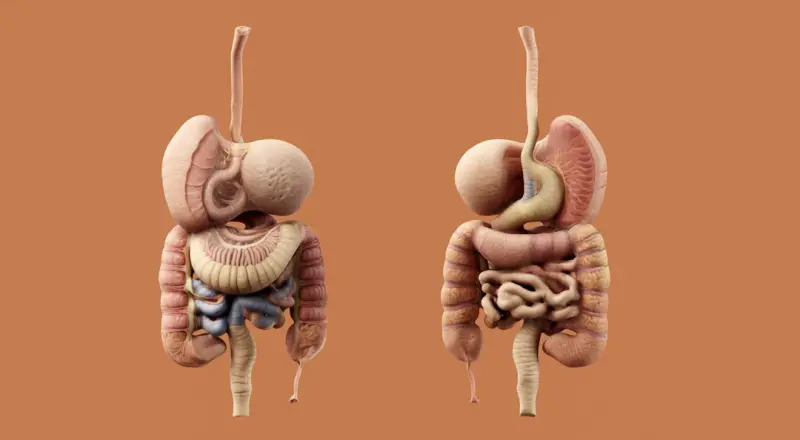
Why Your Gut Is the CEO of Your Decision‑Making
Jessica Hall explains the science behind the gut‑brain connection and shares actionable steps to h... Read More
The Sound of Health: How Vibrations Can Tune Your Gut Microbiome
Explore the emerging link between sound vibrations and gut health, with practical daily rituals, bre... Read More

Gut Health Unlocked: A Holistic Journey to Balanced Digestion and Vitality
Explore a comprehensive, holistically‑focused guide to gut health, blending nutrition, stress mana... Read More
Top Posts

When Sleep Becomes a Superpower: Harnessing Narcolepsy for Creative Flow
Learn how living with narcolepsy can unlock unexpected creative bursts. From daily rhythms to workspace hacks, this guide shows you how to transform sleep attac...Read More

Detox Without Deprivation: A Gentle Reset
A practical, 7‑day reset that combines gentle movement, deep breathing, smart sweating, and nutrition hacks to boost your body’s built‑in detox pathways w...Read More

The Brain‑Boosting Power of Learning a New Language
Learning a new language isn’t just cultural enrichment—it’s a powerful brain workout. This post explores neuroplastic benefits, practical daily habits, an...Read More

The Sensory Reset: How Aroma, Touch, and Sound Reboot Your Day
A practical guide to using aroma, tactile cues, and curated soundscapes to create micro‑breaks that refresh the mind, lower stress, and enhance performance th...Read More
0 Comments
Post Comment
You will need to Login or Register to comment on this post!