
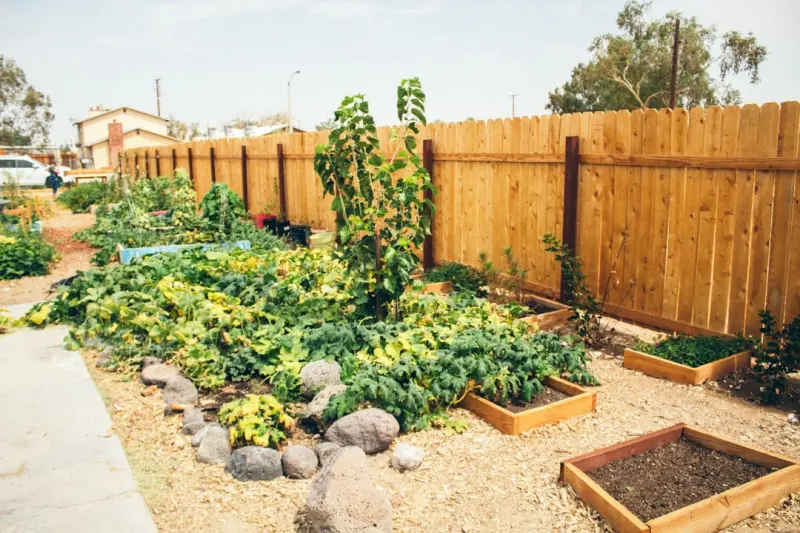
Why a Garden Can Be a Senior’s Secret Weapon
When I first stepped onto the community plot at the senior center, the scent of damp earth and the chorus of cicadas felt like a gentle invitation to something larger than myself. I wasn’t looking for a fitness regimen or a new hobby; I was seeking a quiet space where my mind could settle and my body could move without the constraints of a gym. What I discovered was a living laboratory for health—one that engages muscles, sharpens cognition, and weaves a web of social connection. In this post, I’ll walk you through the science and the soul of community gardening, and show how seniors can cultivate vitality with a trowel, a seed, and a supportive community.
The Physical Payoff: Strength, Balance, and Mobility
Gardening may look gentle, but it is a full‑body workout disguised as leisure. Digging, weeding, and planting require repeated flexion and extension of the knees, hips, and shoulders. For seniors, these motions translate into:
- Improved muscular endurance—repetitive tasks build slow‑twitch fibers that help sustain activity throughout the day.
- Enhanced joint flexibility—stretching to reach a far‑away pot or to prune a tall shrub gently mobilizes the spine and hips.
- Better proprioception—navigating uneven soil surfaces trains the vestibular system, reducing fall risk.
Research consistently links regular low‑impact activity with higher bone density and reduced arthritis pain. The rhythmic nature of gardening also encourages a steady heart rate, supporting cardiovascular health without the intimidation of a treadmill.
Cognitive Benefits: From Soil to Synapse
Beyond the muscles, gardening nurtures the brain. The act of planning a garden layout, remembering planting schedules, and monitoring growth cycles stimulates executive function and memory. A particularly fascinating aspect is the gut‑brain connection. Freshly harvested vegetables are rich in fiber and polyphenols, which feed beneficial gut microbes. A balanced microbiome communicates with the brain via the vagus nerve, helping to regulate mood and cognition. In practice, seniors who regularly consume home‑grown produce often report clearer thinking and steadier moods.
Moreover, gardening offers a natural form of small daily actions that reinforce neuroplasticity. Each time a seed is sown, a neural pathway is reinforced—an embodiment of “use it or lose it.” The repetitive, purposeful nature of garden chores can also serve as a meditative anchor, lowering cortisol levels and protecting against age‑related cognitive decline.
Emotional Resilience: Healing Through Green
There’s an undeniable sense of accomplishment that blooms alongside tomatoes and marigolds. Watching a seed sprout into a thriving plant offers tangible proof that effort leads to reward—a powerful antidote to the feelings of helplessness that can accompany aging. The sensory experience—feeling soil between fingertips, inhaling the earthy aroma, hearing birdsong—activates the parasympathetic nervous system, ushering in calm and reducing anxiety.
For seniors who have faced loss, illness, or isolation, the garden becomes a living metaphor for renewal. The cycles of planting, pruning, and harvesting echo life’s own rhythms, reminding us that change is natural and growth is possible at any age.
Social Connection: Growing Together
Community gardens are, by definition, collaborative spaces. They bring together people of diverse backgrounds, creating a shared purpose that bridges generational and cultural gaps. The simple act of exchanging seeds, swapping tips on pest control, or sharing a harvest dinner cultivates trust and belonging.
Social interaction has a direct impact on health metrics: reduced blood pressure, lower inflammation markers, and improved immune function. In a garden, conversation flows as naturally as water to the plants, encouraging seniors to stay socially active without the pressure of formal clubs or meetings.
Getting Started: A Step‑by‑Step Blueprint
Ready to dig in? Here’s a practical guide to turn a plot of earth—or even a balcony—into a wellness sanctuary.
- Assess Your Space—Identify sunlight exposure (full sun, partial shade, full shade) and soil quality. If you’re on a balcony, choose lightweight containers and a high‑quality potting mix.
- Choose Easy‑Care Plants—For beginners, herbs like basil, mint, and rosemary thrive with minimal attention. Leafy greens (spinach, kale) and root vegetables (radishes, carrots) provide quick harvests.
- Set Realistic Goals—Start with a single raised bed or a few containers. Aim for a harvest that can supplement meals rather than replace them entirely.
- Gather Tools—A sturdy trowel, pruning shears, gloves, and a watering can are sufficient. Look for ergonomic designs that reduce strain on the wrists and back.
- Plan a Schedule—Allocate 15–30 minutes a day for watering, weeding, and checking plant health. Consistency is key; the routine becomes a gentle cue for movement.
- Invite Neighbors—Host a weekly “garden chat” where participants share progress and challenges. This fosters accountability and deepens social bonds.
Overcoming Common Barriers
Many seniors hesitate due to physical limitations, lack of experience, or perceived cost. Here’s how to navigate these concerns:
- Physical Limitations—Raised beds bring the soil to waist height, reducing bending. Use kneeling pads or garden stools for comfort. If mobility is an issue, consider vertical gardening systems that can be tended from a seated position.
- Lack of Knowledge—Local extension offices, community centers, and online tutorials provide free resources. Pair up with a younger volunteer who can offer tech‑savvy assistance in exchange for gardening wisdom.
- Cost Constraints—Start with seed packets (often under $2) and repurpose household items as planters. Many municipalities offer free compost or soil amendments for community projects.
Integrating Technology Without Falling Into Digital Overload
Technology can enhance gardening without dominating it. Simple tools such as moisture sensors, weather apps, or QR‑coded plant tags can help seniors monitor conditions and reduce the guesswork. However, it’s essential to set boundaries: allocate specific times for checking data, and keep the primary experience tactile and sensory. By using tech as a supportive aid rather than a distraction, seniors maintain a mindful connection to the garden.
Seasonal Strategies: Making the Most of Every Climate
Each season offers unique opportunities:
- Spring—Ideal for planting cool‑season crops like lettuce and peas. Use this period for seed‑starting workshops.
- Summer—Focus on heat‑tolerant varieties such as tomatoes and okra. Incorporate shade cloths to protect both plants and gardeners from excessive sun.
- Fall—Harvest root vegetables and sow cover crops that enrich soil health for the next cycle.
- Winter—If outdoors gardening isn’t feasible, transition to indoor herb containers or join a “window garden” club that shares tips for low‑light growing.
Seasonal planting not only diversifies nutrition but also keeps the garden’s rhythm aligned with the body’s natural cycles, reinforcing the sense of harmony and purpose.
Stories From the Plot: Real‑World Impact
At the Evergreen Senior Center, a group of ten residents began a pumpkin patch last autumn. Within three months, they reported:
- Reduced episodes of joint pain thanks to regular gentle movement.
- Improved sleep quality, likely linked to the calming evening garden walks.
- A surge in social confidence—members who once avoided gatherings now lead monthly garden tours for visiting families.
Another participant, Margaret, who had struggled with mild depression after her spouse’s passing, found solace in tending to her rosemary and lavender. The aromatic plants triggered pleasant memories and provided a natural mood boost, decreasing her reliance on medication.
Beyond the Plot: Extending Garden Benefits Into Daily Life
Harvested produce can be incorporated into meals that emphasize whole‑food nutrition, reinforcing the cycle of health. Simple recipes—like a kale‑and‑apple salad with a drizzle of olive oil—require minimal cooking skills and deliver essential vitamins.
Additionally, the garden can serve as a classroom for intergenerational learning. Grandchildren visiting for a weekend can help harvest carrots while seniors share stories about the plants’ origins, creating a living legacy of knowledge and love.
Conclusion: Planting the Seed of Health
Community gardening isn’t just an activity; it’s a holistic health strategy that simultaneously nurtures body, mind, and spirit. By embracing the soil, seniors tap into a source of strength that is both ancient and profoundly modern. Whether you have a spacious backyard, a modest balcony, or a shared plot at a local senior center, the invitation to grow is open. Grab a trowel, invite a neighbor, and watch how a single seed can blossom into a garden of well‑being.

Brandy Miller is a dynamic freelance writer based in the vibrant city of Cambridge, Ontario. With a passion for storytelling that knows no bounds, she crafts compelling narratives that captivate and inspire. Brandy’s love for writing shines through in her versatile work, whether she’s penning thought-provoking articles or engaging content that resonates with readers. Her unique perspective and friendly tone make her a sought-after voice in the writing community. When she’s not weaving words together, you can find her exploring the beautiful landscapes of Ontario, always seeking new adventures and inspiration for her next piece. Brandy is not just a writer; she’s a creative force, making her mark one word at a time.
Related Posts

The Community Garden Prescription: Boosting Senior Health Through Shared Green Spaces
A community garden offers seniors a holistic health solution—combining gentle exercise, nutritious... Read More

The Healing Power of Companionship: How Pets and Community Boost Senior Health
Companionship—through pets, community gardens, and intergenerational programs—offers powerful he... Read More
Finding New Energy: How Seniors Can Thrive Through Community Gardening
Explore the holistic benefits of community gardening for seniors—improved mobility, sharper cognit... Read More
Top Posts
Living with Autoimmune Disease: My Holistic Roadmap to Resilience
A heartfelt guide sharing how mindful nutrition, gentle movement, restorative sleep, and supportive community can transform life with autoimmune disease....Read More

The Hidden Power of Micro‑Movement: Turning Everyday Motion Into Peak Performance
Micro‑movement—brief, frequent bursts of activity—can dramatically improve focus, creativity, and wellbeing. This article reveals the science behind it an...Read More

The Quiet Saboteur: How Insomnia Undermines Team Collaboration and Innovation
Insomnia silently degrades leadership clarity and team collaboration. This article reveals the hidden costs of sleeplessness and offers actionable strategies to...Read More

Listening to Your Liver: Sound, Stress & Community for Hepatic Harmony
Tammy French explores an unconventional approach to liver wellness, highlighting the power of music, stress management, and supportive communities to keep your ...Read More
0 Comments
Post Comment
You will need to Login or Register to comment on this post!