

Why Your Gut Deserves a Strategic Blueprint, Not Just a Supplement
When I first started mapping the human body as a complex system, the gut appeared to me as the most intricate city‑state on the planet. It has neighborhoods (different sections of the intestines), infrastructure (the mucus layer, immune cells, nerves), and a bustling citizenry (the trillions of microbes). Yet most conversations reduce it to a “probiotic pill” or a “fiber boost.” That reduction misses the fact that, like any thriving metropolis, a gut ecosystem requires intentional design, continuous maintenance, and a clear sense of purpose.
The Hidden Economy of Microbial Trade
Imagine walking through a market where each stall trades in metabolites instead of fruits. Short‑chain fatty acids (SCFAs) such as butyrate, acetate, and propionate are the currency. They power colon cells, modulate inflammation, and even signal the brain. When the market stalls are diverse and well‑stocked, the economy flourishes. When a few stalls dominate—often the result of a monotonous diet or chronic stress—the entire system feels the pinch.
Recent research shows that microbial diversity correlates with resilience against metabolic disorders, mood fluctuations, and even the severity of viral infections. Diversity isn’t just a buzzword; it’s the economic engine that keeps the gut’s trade routes open.
Storytelling to Your Stomach: The Power of Narrative‑Based Habits
Humans are wired for stories. We remember the arc of a novel better than a list of nutrients. By turning gut‑friendly actions into a personal narrative, you create a mental shortcut that reinforces behavior.
- Identify the protagonist: You are the city planner, and your gut microbes are the citizens.
- Set the conflict: Over‑processed foods are the invasive developers that threaten local markets.
- Craft the resolution: Each meal becomes a council meeting where you invite diverse vendors (fermented foods, prebiotic fibers, polyphenol‑rich plants) to trade.
This narrative framing isn’t just whimsical. It activates the brain’s reward circuitry, making it easier to stick with gut‑supportive habits over the long haul.
Design Principles for a Resilient Microbial City
Below are six design principles that translate urban planning concepts into gut health strategy.
- Zoning for Functionality: Different sections of the gut thrive on different substrates. The proximal colon prefers resistant starch, while the distal colon benefits from polyphenols. Pair foods with the appropriate “zone” to avoid crowding one area with excess fuel.
- Green Spaces: Just as parks improve air quality and mental health, plant‑based fibers act as green corridors for beneficial bacteria. Aim for at least 25‑30 grams of soluble fiber daily from sources like chicory root, oats, and apples.
- Mixed‑Use Development: Diversity in food types mimics mixed‑use neighborhoods where residential, commercial, and cultural spaces coexist. Combine fermented foods (yogurt, kimchi, tempeh) with prebiotic sources (onion, garlic, leeks) to feed a broader range of microbes.
- Public Transit: Short, regular meals act like frequent transit stops, keeping microbial traffic flowing. Long gaps between meals can cause “rush hour” spikes in harmful metabolites.
- Infrastructure Maintenance: The gut lining is a barrier that needs repair. Nutrients like zinc, glutamine, and collagen‑supporting amino acids are the construction crews that rebuild tight junctions.
- Community Engagement: Social eating, shared cooking, and mindful mealtime rituals strengthen the gut–brain axis through vagal signaling. The act of sharing a meal is a neurochemical catalyst for parasympathetic activation.
Fermented Foods: The Cultural District of the Gut
Fermented foods are more than just probiotic carriers; they are living ecosystems that arrive ready to integrate into the gut’s cultural district. Each batch carries a unique microbial signature shaped by geography, season, and preparation method. Incorporating a rotating selection—sauerkraut in winter, kombucha in spring, miso in summer—prevents microbial monocultures and encourages adaptability.
Prebiotic Pairings: The Power Grid That Fuels the City
Prebiotic fibers are the electrical grid. Without power, even the most vibrant cultural district cannot operate. Pairing prebiotics with complementary fermented foods creates synergistic effects. For instance, a bowl of kefir with a sprinkle of chia seeds delivers both live microbes and the fiber they love.
Beyond Supplements: Why Whole‑Food Strategies Win
Supplements can be likened to imported, single‑purpose machinery—useful but limited. Whole‑food strategies, on the other hand, are multi‑functional tools that simultaneously provide nutrients, fibers, and phytochemicals.
Consider the Chrono‑Nutrition insights that emphasize timing. While those principles focus on circadian alignment, they also indirectly shape gut ecology by regulating when substrates hit the colon. A breakfast rich in resistant starch, followed by a lighter lunch and a fermented dinner, can create a rhythmic flow that benefits microbial diversity.
Stress, the Unseen Urban Planner
Chronic stress acts like a heavy‑handed urban planner who reroutes resources away from green spaces to build “essential” infrastructure. Elevated cortisol levels increase gut permeability, allowing endotoxins to leak into circulation, which fuels inflammation and disrupts microbial balance.
Counteracting this requires intentional “stress zoning.” Practices such as slow, diaphragmatic breathing, brief nature walks, or even a five‑minute “digital sunset” before bedtime signal the parasympathetic nervous system to lower cortisol. While the Breath Revolution article covers breathing techniques in depth, here we emphasize their role as a city‑wide calming ordinance that preserves gut integrity.
Microbial Feedback Loops: Listening to Your Gut’s Dashboard
Modern health tech offers gut‑specific dashboards—breath tests for hydrogen, stool sequencing apps, and even wearable devices that infer digestion patterns through heart‑rate variability. These tools provide real‑time feedback, allowing you to tweak dietary inputs much like traffic engineers adjust signal timing based on congestion data.
When a breath test indicates excess hydrogen after a high‑FODMAP meal, you know that specific carbohydrate is overloading fermenters in the small intestine. Adjust the recipe, observe the change, and iterate. The key is to treat data as a guide, not a verdict.
Seasonal Adaptation: Aligning with Nature’s Calendar
Just as cities adjust to seasonal weather—adding insulation in winter, expanding green roofs in summer—our gut ecosystems benefit from seasonal eating. Winter vegetables (root carrots, parsnips) provide starches that support SCFA production, while summer berries deliver polyphenols that act as antimicrobial regulators, keeping opportunistic species in check.
Building a Legacy: The Intergenerational Gut
Microbial inheritance is real. The first microbes a baby encounters during birth, breastfeeding, and early solid foods shape the baseline diversity. By curating a gut‑friendly environment now, you not only improve your health but also set a resilient foundation for future generations.
Putting It All Together: A Sample 7‑Day Gut‑Design Plan
The following plan integrates the principles above. Feel free to swap ingredients based on preference, availability, or seasonal produce.
- Day 1 – Morning: Overnight oats with chia, diced apple, and a dash of cinnamon (prebiotic fiber). Evening: Miso soup with seaweed and tofu (fermented protein).
- Day 2 – Lunch: Quinoa salad with roasted beets, walnuts, and a spoonful of kimchi (mixed‑use). Snack: A handful of raw almonds.
- Day 3 – Breakfast: Smoothie with kefir, frozen berries, and a scoop of ground flaxseed (probiotic + fiber). Dinner: Grilled salmon, steamed broccoli, and a side of sauerkraut.
- Day 4 – Mid‑day: Lentil stew with carrots and garlic (resistant starch + prebiotic). Evening: Kombucha (live cultures) with a slice of dark chocolate.
- Day 5 – Breakfast: Scrambled eggs with sautéed spinach and a sprinkle of nutritional yeast. Snack: Coconut yogurt with sliced kiwi.
- Day 6 – Lunch: Whole‑grain wrap with avocado, shredded cabbage, and a smear of fermented pepper paste. Dinner: Roasted sweet potatoes, black beans, and a drizzle of olive oil.
- Day 7 – Morning: Warm water with lemon, followed by a bowl of millet porridge with pumpkin seeds. Evening: Herbal tea (chamomile) and a small portion of fermented pickles.
Each day includes a balance of prebiotic fibers, fermented foods, and nutrient‑dense whole foods, ensuring the gut receives both the citizens and the infrastructure it needs.
Measuring Success: What to Look For
Beyond the occasional “I feel less bloated” moment, track these indicators over a 4‑week period:
- Stool Consistency: Aim for a Type 3–4 on the Bristol stool chart.
- Energy Levels: Notice fewer mid‑day crashes.
- Mood Stability: Reduced anxiety spikes, smoother emotional flow.
- Skin Clarity: Fewer breakouts often correlate with a healthier gut barrier.
Documenting these metrics provides the evidence you need to refine your gut design blueprint.
Final Thoughts: Your Gut as a Living Masterpiece
Designing a gut ecosystem isn’t a one‑time project; it’s an evolving masterpiece. By treating your microbiome like a city you intentionally plan, you empower yourself to make choices that reverberate through every system—from metabolic health to mental clarity. Embrace the role of the city planner, write a narrative that excites you, and watch the streets of your gut flourish.

Related Posts

How Your Gut Microbiome Shapes Decisions and Boosts Creative Flow
Explore the hidden link between gut health and decision‑making, learn how fermented foods and preb... Read More
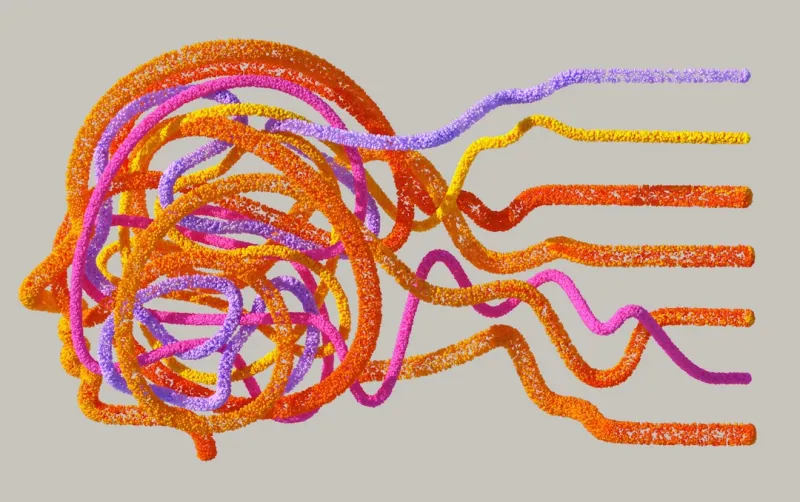
The Gut-Brain Connection: A Holistic Approach to Gut Health
The gut and brain are intricately linked, and research has shown that the health of our gut microbio... Read More

Why Your Gut Is the Secret Engine of Workplace Performance
A deep dive into how the gut microbiome directly impacts focus, decision‑making, and burnout, offe... Read More
Top Posts

Embracing Vibrant Health After 60: A Holistic Guide for Seniors
A senior’s guide to vibrant health: movement, nutrition, sleep, community, and purpose combine for a thriving, holistic aging journey....Read More

Taming Autoimmunity with Data, Community & Lifestyle
A data‑driven, community‑powered guide shows how everyday tweaks, wearable insights, and shared knowledge can transform living with autoimmune disease from ...Read More

Office Air Quality: A Hidden Lever for Liver Wellness
Indoor air quality can silently strain the liver. Learn practical, budget‑friendly steps to improve workplace air and support liver health....Read More

Holistic Secrets to Thrive: A Woman’s Guide to Everyday Wellness
A heartfelt guide from Tammy French on embracing holistic practices that empower women to flourish in health, energy, and confidence....Read More
0 Comments
Post Comment
You will need to Login or Register to comment on this post!