
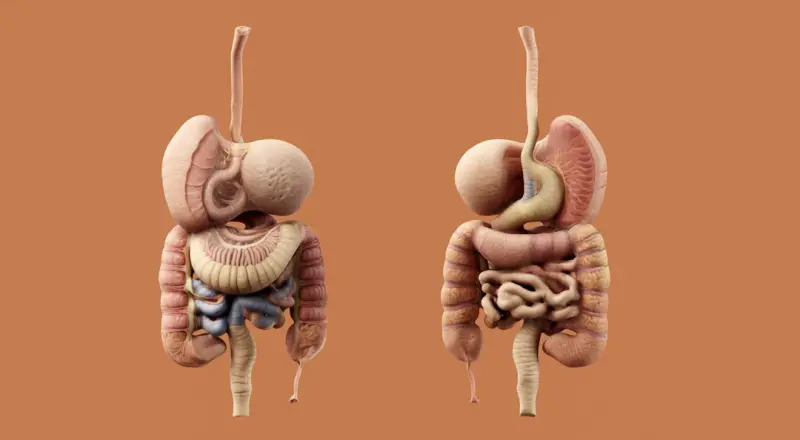
Introduction: Listening to the Quiet Executive Inside
When I first heard the phrase “your gut is your second brain,” I laughed. I’m a product strategist who spends most of my day mapping user journeys, not mapping neural pathways. Yet, over the past year, I’ve watched the science of the gut‑brain axis evolve from a quirky footnote to a core pillar of performance optimization. The gut isn’t just a digestive tunnel; it’s a bustling ecosystem that constantly sends biochemical messages to the brain, shaping mood, focus, and the very decisions that drive business outcomes.
In this post I’m pulling back the curtain on that hidden executive boardroom. We’ll explore why a diverse microbiome matters for strategic thinking, how everyday food choices can rewrite your mental playbook, and what tools you can deploy to turn gut health into a measurable competitive advantage.
The Gut‑Brain Axis: A Two‑Way Street of Chemical Messengers
The gut houses roughly 100 trillion microbes—bacteria, fungi, and viruses that together outnumber our human cells three to one. These microbes produce a staggering array of metabolites, including short‑chain fatty acids (SCFAs) like butyrate, propionate, and acetate. SCFAs cross the blood‑brain barrier and modulate neuroinflammation, synaptic plasticity, and even the production of neurotransmitters such as serotonin (about 90% of it is made in the gut).
But the conversation isn’t one‑sided. Stress hormones like cortisol can alter gut permeability, creating a feedback loop where anxiety begets dysbiosis, which in turn fuels more anxiety. Understanding this bidirectional flow is the first step toward harnessing it.
Microbiome Diversity and Cognitive Flexibility
Research shows that individuals with a richer microbial diversity tend to score higher on tests of cognitive flexibility—the ability to switch between tasks, think creatively, and adapt to new information. One study linked higher levels of Akkermansia muciniphila and Faecalibacterium prausnitzii with improved executive function and reduced mental fatigue.
From a business perspective, cognitive flexibility is the engine behind innovation, rapid problem‑solving, and strategic pivots. When your microbiome is balanced, your brain receives clear, steady signals that support focus and reduce the mental “static” that often leads to decision‑making paralysis.
Practical Strategies for Professionals
Below are the tactics I’ve integrated into my own routine, each chosen for its proven impact on microbial health and, consequently, on mental performance.
1. Prioritize Prebiotic Fiber
Prebiotics are the fuel for beneficial bacteria. Foods rich in inulin, fructooligosaccharides (FOS), and resistant starch—think chicory root, Jerusalem artichoke, garlic, onions, and cold‑sprouted potatoes—feed Bifidobacteria and Lactobacilli. Aim for at least 25‑30 grams of fiber daily, spread across meals to keep fermentation steady and avoid bloating.
2. Embrace Polyphenol‑Rich Foods
Polyphenols act as antioxidants and antimicrobial agents that selectively suppress pathogenic microbes while encouraging commensals. Dark berries, green tea, cocoa, and extra‑virgin olive oil are excellent sources. A daily cup of matcha or a handful of blueberries can add a subtle but powerful microbiome boost.
3. Incorporate Targeted Fermented Foods
While I’m avoiding the “fermented office snacks” angle covered elsewhere, there’s a nuanced difference in timing and purpose. A modest serving of kefir or sauerkraut in the morning can jump‑start the gut, whereas a small portion of kombucha after lunch can aid in post‑meal digestion without overloading on sugar.
4. Align Meals with Your Natural Rhythms
Just as Cyclic Nutrition emphasizes syncing food intake with hormonal cycles, you can apply a similar principle to your circadian rhythm. Consuming larger, protein‑heavy meals earlier in the day supports metabolic efficiency, while lighter, fiber‑focused dinners reduce late‑night gut inflammation that can disturb sleep and, by extension, brain recovery.
5. Manage Stress with Breath and Movement
Chronic stress is a gut‑enemy. Simple practices—five minutes of diaphragmatic breathing before meetings, a short walk after lunch, or a brief session of mindful stretching—activate the parasympathetic nervous system, lowering cortisol and preserving gut barrier integrity.
6. Optimize Sleep Hygiene
Sleep deprivation alters the gut’s microbial composition, favoring opportunistic bacteria. Aim for 7‑9 hours of consistent, dark‑room sleep. If you’re struggling, consider a magnesium glycinate supplement or a brief evening routine of low‑blue‑light reading.
7. Leverage Data and Wearables
Just as optimizing liver health can be tracked via biomarkers, emerging gut‑focused wearables now estimate microbiome health through breath analysis and stool‑sample algorithms. While still nascent, these tools can give you a baseline and flag trends before they manifest as cognitive fog.
Building a Gut‑Optimized Culture at Work
Individual habits matter, but the environment amplifies or undermines them. Here are three cultural levers you can pull to make gut health a team asset:
- Transparent Food Policies: Offer a rotating menu of high‑fiber, low‑sugar options in the cafeteria. Highlight prebiotic and polyphenol‑rich dishes in the weekly newsletter.
- Microbreaks for Mind‑Body Reset: Encourage short, guided breathing or stretching sessions. Even a 2‑minute pause can lower cortisol spikes that would otherwise disrupt gut homeostasis.
- Data‑Driven Wellness Programs: Partner with a health tech provider that offers optional microbiome testing. Use aggregated, anonymized data to tailor wellness initiatives without invading privacy.
When the workplace respects the gut‑brain connection, you’ll notice fewer “energy crashes” after lunch, sharper brainstorming sessions, and a measurable uplift in employee satisfaction scores.
Measuring the Impact: From Gut Health to Bottom Line
Quantifying the ROI of gut optimization may feel abstract, but there are tangible metrics:
- Productivity Hours: Track the average uninterrupted work time per employee before and after implementing gut‑friendly policies.
- Innovation Index: Count the number of new ideas or patents filed quarterly; a healthier gut often correlates with increased creative output.
- Absenteeism Rate: Gut health improvements can reduce gastrointestinal illnesses, leading to fewer sick days.
By aligning these KPIs with your gut‑centric initiatives, you transform a biological concept into a strategic business lever.
Conclusion: Let Your Gut Take the Lead
We spend countless hours fine‑tuning software, optimizing user flows, and sharpening our leadership skills. Yet the most powerful optimization may already be happening inside us, invisible to the naked eye. By respecting the gut‑brain axis, diversifying our microbiome, and embedding gut‑friendly habits into personal and corporate routines, we can unlock a level of mental clarity and strategic acuity that feels almost—dare I say—effortless.
Next time you reach for a snack, consider whether you’re feeding a decision‑making powerhouse or a mental fog machine. Your gut is waiting to be the CEO of your thoughts—give it the boardroom it deserves.

Jessica Hall is a dynamic freelance writer based in the vibrant city of London, Ontario. As a dedicated single mom, she expertly juggles the demands of parenthood with her passion for storytelling, crafting compelling narratives that resonate with readers. With a background in retail, Jessica brings a unique perspective to her writing, infusing her work with insights drawn from her experiences
Related Posts

Microbiome‑Powered Focus: Leveraging Gut Health for Remote Work Mastery
This article reveals how a balanced gut microbiome can sharpen focus, reduce stress, and enhance pro... Read More

Gut Microbiome Mastery: The Hidden Engine Behind Focus and Resilience
Your gut’s trillions of microbes act as a silent command center influencing mood, cognition, and s... Read More

Seasonal Gut Reset: Aligning Food, Movement, and Microbiome for Year‑Round Vitality
A fresh perspective on gut health shows how aligning your diet, movement, and stress habits with the... Read More
Top Posts

Office Fridge Battles: Unmasking Eating Disorders at Work
A deep dive into how office environments, especially the communal fridge, can fuel disordered eating, offering personal strategies and workplace policies to cre...Read More
The 5‑Step Sensory Reset: A Fresh Blueprint for Natural Body Detox
A practical, habit‑based blueprint that aligns eating rhythms, movement, prebiotic timing, air quality, and digital habits to support the body’s natural det...Read More

Navigating Narcolepsy: A Holistic Approach to Understanding and Managing the Condition
Learn how to navigate narcolepsy with a holistic approach that incorporates self-care, nutrition, stress management, and supportive communities to improve sympt...Read More

Seasonal Shifts: Tuning Your Gut to Nature’s Calendar
Learn to align your diet, light exposure, and daily habits with the natural seasons, supporting a resilient gut microbiome that boosts energy, mood, and overall...Read More
0 Comments
Post Comment
You will need to Login or Register to comment on this post!