
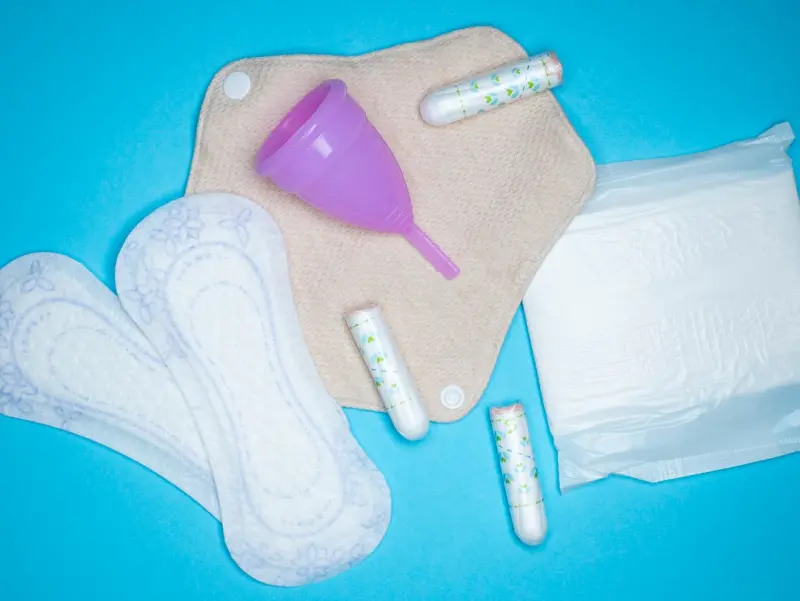
Understanding the Rhythm: Why Your Menstrual Cycle Isn’t Just About Reproduction
Most of us think of the menstrual cycle as a monthly inconvenience – a set of symptoms to endure until the next period arrives. In reality, it is a sophisticated, hormone‑driven orchestra that influences energy levels, cognition, pain perception, and even how we respond to food. When you begin to treat your cycle as a dynamic performance metric rather than a static calendar event, you unlock a powerful tool for personal and professional growth.
Four Phases, Four Opportunities
From a physiological standpoint, the average cycle can be broken down into four distinct phases, each with its own hormonal signature:
- Menstrual (Days 1‑5): Low estrogen and progesterone, higher cortisol. The body is in a repair mode.
- Follicular (Days 6‑14): Rising estrogen, low progesterone. Energy, focus, and confidence tend to peak.
- Ovulatory (Days 15‑17): Estrogen spikes, luteinizing hormone (LH) surge. Social drive and verbal fluency are heightened.
- Luteal (Days 18‑28): Progesterone dominates, estrogen declines. Body temperature rises, and the nervous system shifts toward endurance.
These hormonal shifts are not abstract concepts; they translate into measurable changes in how you think, move, and feel.
Mapping Your Workday to Your Cycle
Imagine you could schedule your most demanding meetings, creative brainstorming sessions, and high‑intensity workouts during the phases that naturally support them. Below is a practical framework for aligning your professional calendar with your hormonal calendar:
| Cycle Phase | Ideal Work Activities | Suggested Self‑Care |
|---|---|---|
| Menstrual | Administrative tasks, reflection, light reading | Gentle yoga, restorative sleep, anti‑inflammatory foods |
| Follicular | Strategic planning, networking, presentations | Higher‑intensity cardio, new skill acquisition |
| Ovulatory | Collaborative projects, public speaking, negotiations | Social outings, confidence‑boosting attire |
| Luteal | Detail‑oriented work, data analysis, finishing touches | Mindful meditation, magnesium‑rich meals |
This approach is not about restricting yourself; it’s about leveraging the natural ebb and flow of your physiology to work smarter, not harder.
Nutrition That Moves With Your Hormones
Just as athletes tailor their macros to training cycles, women can fine‑tune their nutrition to hormonal phases. During the follicular phase, estrogen supports carbohydrate metabolism, making it a great time for complex carbs and leafy greens. In the luteal phase, progesterone can increase insulin resistance, so focusing on protein, healthy fats, and low‑glycemic vegetables can keep energy steady.
For a deeper dive into aligning meals with your body’s natural rhythm, check out the strategies in our Micro‑Momentum guide, which offers bite‑size habit tweaks that can be adapted to any phase.
Fitness Flow: Matching Movement to Hormonal Peaks
Exercise feels different throughout the month. During the follicular and ovulatory windows, you may notice increased strength, speed, and motivation – perfect for HIIT, sprint intervals, or heavy lifting. In contrast, the luteal phase often brings higher body temperature and joint sensitivity, making moderate cardio, swimming, or yoga a better fit.
Incorporating a movement reset every few weeks can prevent overtraining. A quick reference is to use a simple “cycle‑sync” checklist:
- Check your current phase.
- Pick a primary workout goal (strength, endurance, recovery).
- Adjust intensity and modality accordingly.
Mindset Shifts: From “Hormone Hell” to “Hormone Help”
Societal narratives often paint hormonal fluctuations as a nuisance. Reframing them as informational cues can dramatically improve mental health. When you notice a dip in motivation, ask yourself: “Is my body telling me it needs rest?” This simple question reduces self‑criticism and encourages compassionate self‑management.
Workplace Environment: The Hidden Climate Factor
Just as temperature, light, and sound shape blood sugar levels (see our office climate and your cycle piece), they also impact hormone balance. Bright, natural light in the morning can boost serotonin, supporting the follicular rise in mood. Conversely, a cool, dim environment in the evening helps melatonin production, essential for the luteal phase’s restorative needs.
Small adjustments—like a desk lamp that mimics sunrise or a temperature‑controlled break room—can align your workspace with your physiological rhythm, reducing irritability and enhancing focus.
Technology as an Ally: Tracking, Not Controlling
The surge in wearable tech has made cycle tracking more accessible than ever. However, the goal isn’t to micromanage every hormone spike but to gather actionable data. Look for apps that integrate menstrual tracking with sleep, stress, and activity metrics. When the data tells you that your luteal phase coincides with a rise in resting heart rate, you might schedule a recovery day instead of a back‑to‑back presentation.
If you’re pregnant or planning to be, our article on leveraging tech to thrive during pregnancy outlines how smart devices can support both mother and baby, reinforcing the idea that tech should enhance—not replace—bodily intuition.
Skin‑First Care: Hormones and the Epidermis
Estrogen is a key player in collagen synthesis and skin hydration. During the follicular phase, you may notice a natural glow, while the luteal phase can bring increased oil production and breakouts. Tailoring your skincare routine to these cycles can improve outcomes.
For instance, a gentle exfoliation routine during the follicular window can capitalize on heightened cell turnover, while a barrier‑strengthening serum in the luteal phase can counteract dryness. Our skin‑first detox guide offers quick rituals that complement these hormonal shifts.
Sleep Strategies Across the Cycle
Sleep quality fluctuates with progesterone, which has a natural sedative effect in the luteal phase. However, many women experience fragmented sleep due to premenstrual symptoms. To optimize rest:
- Maintain a consistent bedtime, especially during the follicular phase when sleep pressure is lower.
- Use magnesium or herbal teas (e.g., chamomile) in the luteal phase to support deeper sleep.
- Limit caffeine after noon during the ovulatory window to avoid overstimulation.
Addressing Common Misconceptions
Myth 1: “I have to be the same every day.” The body is inherently variable; fighting this variability leads to burnout.
Myth 2: “Cycle syncing is only for athletes.” Every professional can benefit—from CEOs to remote freelancers—by aligning tasks with their internal calendar.
Myst 3: “It’s too complicated.” Start simple: track your period for one month, note energy patterns, and adjust one task at a time.
Getting Started: A 30‑Day Cycle‑Sync Challenge
Ready to test the theory? Follow this three‑step plan:
- Track: Use a free app or a paper journal to record your period, mood, energy, and sleep for 30 days.
- Analyze: Identify patterns—when do you feel most focused? When does fatigue creep in?
- Adjust: Map at least two work activities and one self‑care habit to the phase that supports them. Reevaluate after a month.
Remember, the goal is incremental improvement, not perfection. Celebrate small wins—like a successful presentation during ovulation or a restorative yoga session during menstruation.
Conclusion: Turning the Cycle into a Competitive Edge
When you shift the narrative from “my cycle disrupts my life” to “my cycle informs my life,” you gain a strategic advantage. By aligning work, nutrition, movement, and self‑care with hormonal phases, women can boost productivity, reduce stress, and enhance overall well‑being. The science is clear, the tools are available, and the opportunity to thrive is waiting—right in your own biology.

Craig Brett is a freelancer with a passion for the outdoors. His love for nature inspires his work, bringing authentic and engaging perspectives to projects related to outdoor activities, adventure, and environmental topics.
Related Posts
Rethinking Menstrual Wellness Through Personal Data
A data‑driven guide shows women how to sync food, movement, and work habits with their hormonal cy... Read More

Cycle‑Smart Nutrition: Tailoring Your Diet to Every Phase of the Menstrual Cycle
Learn how to match your nutrition to the four phases of the menstrual cycle, optimizing energy, mood... Read More

The Unseen Struggle: Women's Mental Health in Modern Society
Women's mental health is a critical issue that affects us all. Learn how to prioritize self-care, se... Read More
Top Posts
Turning Your Health Insurance Into a Strategic Wellness Partner
Learn how to shift your view of health insurance from a safety net to a proactive wellness engine, using preventive services, digital tools, and employer incent...Read More

When Numbers Talk: A Compassionate Roadmap for Living with Prediabetes
Prediabetes can feel like a looming threat, but reframing it as a personal signal opens the door to compassionate change. This guide offers mindful data practic...Read More

Breathing Easy at Work: Turning Sleep Apnea Into a Competitive Edge
Untreated sleep apnea silently erodes focus, decision‑making, and creativity. This article reveals the hidden costs and offers a data‑driven, wearable‑ena...Read More

Turning Sleep Apnea Into a Productivity Ally
A personal journey reveals how diagnosing sleep apnea sparked a data‑driven overhaul of nightly routines, workspace design, and overall wellness, turning rest...Read More
0 Comments
Post Comment
You will need to Login or Register to comment on this post!