

Prediabetes feels like a silent alarm that you can’t quite locate. The numbers on the glucometer hover in the “almost there” zone, and the doctor’s warning feels distant until you catch yourself slipping into the same old routines that keep you stuck. I’ve spent the last decade navigating the gray zone between normal and diabetic, and what I’ve discovered is that the most powerful antidotes aren’t massive diet overhauls or marathon‑length workouts. They’re tiny, intentional micro‑moments that you can weave into the fabric of a busy professional life.
The Myth of the “Big Change”
When a health‑coach tells you that you need to re‑engineer your entire kitchen, it’s easy to feel overwhelmed. The truth is, the body’s glucose regulation system is surprisingly forgiving of small, consistent adjustments—if those adjustments are purposeful and measurable. Think of your metabolism as a finely tuned orchestra. One out‑of‑tune violin (a sugary snack) can throw the whole piece off, but a series of subtle, well‑timed notes (a brief walk, a breath pause, a sip of water) can bring it back into harmony.
Micro‑Momentum: The Three‑Minute Rule
My favorite tool for staying in the prediabetes “sweet spot” is what I call the Three‑Minute Rule. The premise is simple: every three minutes of conscious action—whether it’s a stretch, a deep‑breath cycle, or a mindful sip—creates a ripple effect that stabilizes blood sugar without demanding a massive time block.
- Step 1: Spot the Gap – Identify a natural pause in your workflow (e.g., after answering an email, before the next meeting).
- Step 2: Choose a Micro‑Action – Pick one of the three pre‑approved moves: a 30‑second standing stretch, a 20‑second box‑breath, or a 10‑second water sip.
- Step 3: Execute and Reset – Perform the action, then return to work with a refreshed nervous system.
Why three minutes? Studies show that even a brief increase in muscle activity can improve insulin sensitivity for up to an hour. The breathwork component activates the parasympathetic nervous system, which helps blunt the post‑prandial glucose spike that often follows a snack.
Breathwork: The Hidden Glucose Regulator
When you think about glucose control, the first things that come to mind are carbs, insulin, and exercise. Breath is rarely part of that conversation—yet it’s a direct line to the autonomic nervous system, which governs hormone release, including cortisol. Elevated cortisol can drive hepatic glucose production, pushing you deeper into prediabetes territory.
Enter the Box‑Breath technique:
- Inhale for 4 seconds, filling the belly.
- Hold for 4 seconds.
- Exhale for 4 seconds, fully emptying the lungs.
- Hold the exhale for 4 seconds.
Repeat four cycles, and you’ve just given your adrenal glands a 15‑second vacation. When practiced regularly, this simple rhythm can lower resting cortisol by up to 12 %, according to emerging research.
Micro‑Movement: The Desk‑Bound Advantage
Most professionals assume that meaningful movement requires a gym membership. Not so. The key is to capitalize on the natural micro‑movements already embedded in a day’s workflow. Every time you stand to retrieve a document, take the stairs, or even pace while on a phone call, you’re nudging glucose into muscle cells.
Here’s a quick checklist to turn ordinary office actions into glucose‑friendly micro‑exercises:
- Phone‑Call March: Walk in place while you’re on a call. Aim for 60 steps per minute.
- Printer Stretch: When you walk to the printer, do a calf raise on each step.
- Meeting Pulse: During long video calls, stand up for a minute every 15 minutes and perform shoulder rolls.
These micro‑movements might feel trivial, but they add up. In a typical eight‑hour day, you can accumulate 20‑30 minutes of light activity—enough to improve insulin sensitivity without breaking your concentration.
Data‑Driven Accountability Without the Glare
Most people shy away from continuous glucose monitors (CGMs) because they fear obsessing over numbers. My approach flips that script: treat the CGM as a personal coach, not a judge. Set trend goals instead of point‑in‑time targets. For instance, aim for “no more than two spikes above 140 mg/dL per day” rather than “stay under 100 mg/dL all the time.”
When you see a spike, ask yourself what micro‑action preceded it. Was it a late‑afternoon coffee? A missed water sip? Over time, you’ll develop a personal “glucose‑event map” that pinpoints the precise habit tweaks that matter most.
Community Micro‑Challenges: Turning Competition Into Collaboration
Human beings thrive on social validation. Leverage that by creating a Micro‑Challenge Circle with coworkers or friends who also hover in the prediabetes zone. The rules are simple:
- Each participant logs one micro‑action per day (breath, stretch, sip).
- At the end of the week, share a quick screenshot of your total count.
- Reward the highest consistency with a non‑food prize—think a coffee voucher for a local roaster or a digital wellness badge.
This structure transforms isolated habits into a collective momentum, making it easier to stay accountable without feeling “on a diet.”
Nutrition Hacks That Pair With Micro‑Momentum
While the focus of this piece is on breath, movement, and habit loops, a few nutrition tweaks can amplify the effect:
- Fiber Pairings: Pair a fruit serving with a handful of nuts. The fat and protein slow carbohydrate absorption, reducing the post‑meal glucose surge.
- Timing Shifts: Shift your biggest carbohydrate meal to earlier in the day when insulin sensitivity is naturally higher.
- Hydration Boost: Start each morning with a glass of water infused with a pinch of sea salt. The electrolytes help maintain cellular hydration, supporting efficient glucose transport.
These aren’t radical diet changes—just strategic alignments that let your micro‑moments shine.
Linking the Bigger Picture: Office Environment and Blood Pressure
If you’re curious about how the environment around you can subtly influence your glucose numbers, check out our piece on The Hidden Levers of Blood Pressure. The same principles—light, temperature, and schedule—also play a role in insulin sensitivity, making it a worthwhile read for anyone looking to fine‑tune their workspace.
Flavor, Not Just Taste: A Quick Glimpse at Sensory Influence
Even though we’re steering away from the full‑blown flavor‑driven approach, a brief nod to the science behind taste and glucose is helpful. Certain flavor compounds can cue the brain to anticipate sugar, priming the pancreas for insulin release. For more on that, see Taste‑Driven Glucose Management. Understanding this can help you choose snacks that satisfy cravings without triggering an insulin surge.
Measuring Success: The “Glucose‑Friendly Scorecard”
At the end of each month, compile a simple scorecard:
| Metric | Target | Result |
|---|---|---|
| Average Daily Glucose (mg/dL) | <115 | 112 |
| Micro‑Action Consistency (%) | ≥80 % | 87 % |
| Water Intake (oz) | ≥64 | 70 |
| Average Sleep (hrs) | ≥7 | 7.2 |
Seeing the numbers laid out reinforces progress and highlights where the next micro‑adjustment should land.
Putting It All Together: A Day in the Life of a Micro‑Momentum Warrior
6:30 am – Wake‑up Breath: Five rounds of Box‑Breath on the nightstand.
7:00 am – Hydration Boost: 12 oz water with a pinch of sea salt.
8:15 am – Commute Stretch: Light calf raises while waiting for the train.
9:30 am – Email Sprint: After every 20‑minute email batch, stand, do a 30‑second shoulder roll.
11:00 am – Snack Pair: Apple slices with a handful of almonds.
12:45 pm – Lunch Walk: A brisk 5‑minute walk to the cafeteria, followed by a 1‑minute box‑breath before sitting down.
2:30 pm – Meeting Pulse: Stand for a minute every 15 minutes during a long call, performing gentle neck rolls.
4:00 pm – Water Check: Finish a glass of water, then take a 20‑second desk‑side stretch.
6:00 pm – Micro‑Challenge Review: Log today’s micro‑actions into the group chat, celebrate consistency.
This rhythm looks modest, but each line is a deliberate glucose‑friendly cue. Over weeks, the cumulative effect can shift a prediabetic profile back toward normal ranges.
Final Thoughts: The Power of Tiny Wins
Prediabetes doesn’t demand a heroic overhaul; it asks for a series of tiny, repeatable wins. By anchoring breathwork, micro‑movement, and data‑driven habit loops into the fabric of your day, you create a resilient system that naturally regulates glucose. The journey is less about “fixing” and more about tuning—and the most effective tuning knobs are often the ones you’ve been holding all along.

William Roy is a freelance writer originally from Montreal who moved to Ottawa with his wife of 50 years to be closer to their grandkids. Alongside his writing, William has a passion for fishing.
Related Posts

Navigating Prediabetes: A Holistic Roadmap to Balance and Vitality
I share my journey from a shocking prediabetes diagnosis to a vibrant, balanced life using holistic ... Read More
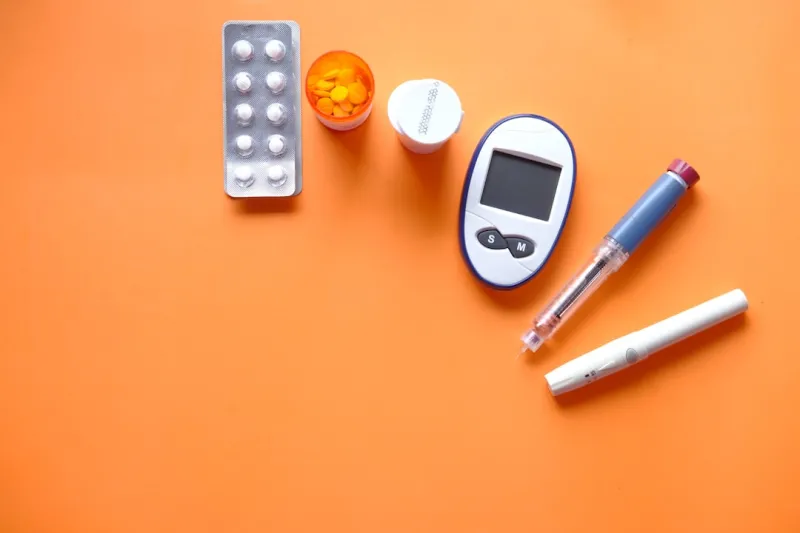
Turning Prediabetes into a Catalyst for Whole‑Body Wellness
A personal, holistic guide shows how to turn a prediabetes warning into a roadmap for lasting health... Read More

Crafting Your Prediabetes Narrative: How Storytelling Fuels Change
Discover how framing your prediabetes journey as a personal story can improve adherence, motivation,... Read More
Top Posts

Beyond the Cloud: Redefining Vaping as a Mindful Habit Design Tool
Discover how to transform vaping from a subconscious habit into a purposeful, data‑driven practice that enhances health, saves money, and supports sustainabil...Read More

Breathing Business: How Untreated Sleep Apnea Undermines Executive Performance
Untreated sleep apnea erodes executive decision‑making, emotional stability, and long‑term health. This article explores the physiological impacts, business...Read More

Smell Your Way to Sustainable Weight Loss
Explore how strategic use of aromas—like peppermint, cinnamon, and citrus—can influence hunger hormones, boost metabolism, and support lasting weight loss w...Read More

Hidden Patterns: How Data is Transforming Sleep Apnea Care
A deep dive into how wearable biosensors, AI analytics, and environmental monitoring are revolutionizing sleep apnea care, turning passive treatment into proact...Read More
0 Comments
Post Comment
You will need to Login or Register to comment on this post!