
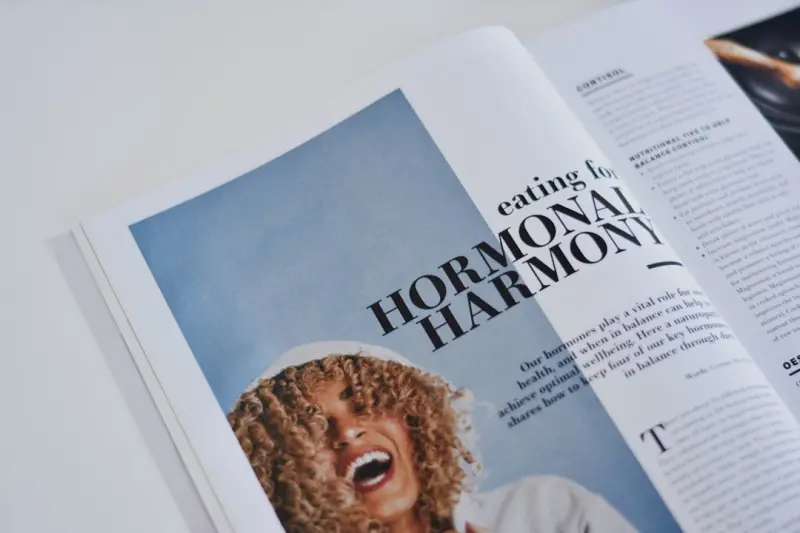
Why Listening to Your Cycle Can Supercharge Health and Performance
When I first started tracking my own menstrual cycle, I expected to uncover a few awkward reminders about when I might feel a bit “off.” What I discovered was a hidden rhythm that, when respected, could guide everything from nutrition to productivity to mental resilience. Women’s bodies are not static machines; they are dynamic ecosystems that pulse with hormonal fluctuations every month. By treating the cycle as a source of insight rather than an inconvenience, we can rewrite the narrative around women’s health and unlock a level of personal optimization that most of us never imagined.
The Science Behind the Cycle’s Four Phases
The menstrual cycle can be broken down into four distinct phases: menstrual, follicular, ovulatory, and luteal. Each phase brings a unique hormonal profile, primarily driven by estrogen and progesterone, that influences metabolism, brain chemistry, and even pain perception. Understanding these shifts allows us to align our daily choices with the body’s natural strengths.
- Menstrual Phase (Days 1‑5): Estrogen and progesterone are at their lowest. Energy levels may dip, and the body craves rest and gentle movement.
- Follicular Phase (Days 6‑14): Estrogen climbs, boosting mood, focus, and pain tolerance. This is the prime window for learning new skills or tackling demanding projects.
- Ovulatory Phase (Days 15‑17): Estrogen peaks, followed by a surge of luteinizing hormone. Social confidence spikes, making it an ideal time for networking or public speaking.
- Luteal Phase (Days 18‑28): Progesterone rises, supporting repair and introspection. It’s a natural period for reflection, planning, and restorative activities.
These hormonal tides are not just abstract concepts; they translate into tangible shifts in glucose regulation, neurotransmitter balance, and inflammatory responses. By syncing lifestyle decisions with these patterns, women can reduce the friction that often feels like “just being a woman” and instead harness the cycle as a strategic advantage.
Nutrition Tailored to Hormonal Rhythms
One of the most immediate ways to honor the cycle is through food. Different phases demand distinct macronutrient balances. During the follicular phase, the body is primed for higher carbohydrate intake, which fuels the brain’s heightened cognitive function. In the luteal phase, a modest increase in healthy fats and protein supports progesterone synthesis and stabilizes blood sugar.
Think of it as nutrient synergy—pairing foods that complement the hormonal environment rather than fighting against it. For example, a bowl of quinoa with roasted root vegetables and a drizzle of omega‑rich walnut oil can provide the complex carbs and anti‑inflammatory fats that smooth the luteal transition.
Beyond macro tweaks, certain micronutrients become especially important. Magnesium, zinc, and B‑vitamins are critical for hormone synthesis and mood regulation. Incorporating leafy greens, seeds, and fermented foods throughout the month ensures a steady supply, reducing common complaints like irritability or heavy‑period cramps.
Movement Strategies Aligned with Phase‑Specific Energy
Exercise is another pillar that can be optimized. In the follicular window, when energy peaks, high‑intensity interval training (HIIT) or strength sessions feel more natural. Conversely, the menstrual and early luteal phases are better suited for low‑impact activities—yoga, walking, or gentle swimming—that honor the body’s need for recovery.
Adopting this fluid approach prevents the burnout that many women experience when they stick to a rigid workout schedule regardless of how they feel. It also supports long‑term adherence, because the regimen feels intuitive rather than punitive.
Productivity Hacks That Respect Hormonal Flow
In the modern workplace, productivity is often measured by the ability to maintain a steady output. Yet the hormonal cycle introduces natural ebbs and flows. By mapping tasks to the cycle’s strengths, women can achieve more without the hidden cost of chronic stress.
- Creative brainstorming: Follicular and ovulatory phases, when estrogen is high, enhance divergent thinking. Schedule brainstorming sessions or design sprints during this window.
- Analytical work: The luteal phase supports focused, detail‑oriented tasks. Use this time for data analysis, editing, or budgeting.
- Strategic planning: The menstrual phase, though lower in energy, encourages a big‑picture mindset. Reflect on long‑term goals and set intentions for the upcoming month.
Implementing a simple calendar overlay that colors each day according to the current phase can make these adjustments effortless. Many women’s health apps now offer this feature, turning data into a practical guide rather than a sterile chart.
Emotional Resilience Through Cycle‑Aware Self‑Compassion
Hormonal fluctuations also affect neurotransmitters like serotonin and GABA, which influence mood and anxiety levels. Recognizing that a sudden dip in mood is not a personal failure but a physiological signal can transform self‑talk.
Practices such as journaling, mindfulness, or even brief “check‑in” conversations with a trusted friend can provide the emotional scaffolding needed during the luteal and menstrual phases. Over time, this habit becomes a built‑in resilience tool that reduces reliance on external coping mechanisms like caffeine or sugar spikes.
Leveraging Technology Without Losing the Human Touch
Digital health tools have made cycle tracking more accessible, but they can also feel impersonal if we treat the data as a rigid rulebook. The goal is to use technology as a supportive coach, not a strict commander.
For instance, integrating a small daily habit system that nudges you to hydrate more during the follicular phase or to schedule a calming meditation during the luteal phase can make the process seamless. The key is flexibility: allow the algorithm to suggest, but give yourself the final say based on how you actually feel.
Immune System Interplay: A Hidden Ally
The menstrual cycle also intersects with immune function. Estrogen tends to be immuno‑stimulatory, while progesterone can be immuno‑modulatory. This means that during certain phases, the body may respond differently to infections or inflammatory triggers.
By aligning nutrient timing and stress‑management techniques with these immune windows, women can potentially reduce the frequency of colds, manage autoimmune flare‑ups, and support overall vitality. For a deeper dive on building immune resilience, see the article on immune resilience.
Redefining Menopause as a Continuation, Not an End
While this post focuses on the reproductive years, it’s worth noting that the principles of rhythm‑based health extend into peri‑menopause and beyond. Hormonal fluctuations become less predictable, but the practice of listening to bodily cues remains valuable. Transitioning into this stage with a mindset of adaptation—adjusting nutrition, movement, and stress‑management strategies—can smooth the experience and preserve quality of life.
Creating a Community of Cycle‑Savvy Women
One of the most empowering aspects of this approach is the opportunity to build supportive networks. Sharing cycle‑aligned tips, recipe swaps, or workout playlists creates a sense of collective intelligence that amplifies individual benefits.
Online forums, workplace wellness groups, or local meet‑ups focused on “cycle awareness” can become hubs for knowledge exchange. When women see that their experiences are shared and validated, the stigma around menstruation diminishes, and the conversation shifts from “what’s wrong with me?” to “how can I thrive?”
Practical Steps to Get Started Today
- Pick a tracking method: Whether it’s a dedicated app, a paper journal, or a simple spreadsheet, commit to logging at least the start and end dates of each phase for one month.
- Map your current routine: Note when you feel most energetic, creative, or in need of rest. Compare these observations with your cycle data.
- Adjust one variable: Start small—perhaps swap a high‑intensity workout for a yoga session during the luteal phase, or add magnesium‑rich foods during the menstrual days.
- Reflect weekly: Review how the changes impacted mood, productivity, and physical comfort. Celebrate successes and fine‑tune the next steps.
- Connect with others: Share your insights in a community space or with a trusted friend to reinforce accountability and gather new ideas.
By treating the menstrual cycle as a strategic framework rather than a disruption, women can reclaim agency over their health, performance, and overall well‑being. The journey is personal, but the science is universal—listen, align, and thrive.

Lifan Chen is a freelancer based in Toronto specializing in marketing. With expertise in crafting effective marketing strategies and campaigns, Lifan helps businesses grow their brand presence and reach target audiences. As a Toronto-based freelancer, Lifan combines local market insights with creative marketing skills to deliver tailored solutions for clients.
Related Posts
Rethinking Hormonal Wellness: A Data‑Driven, Community‑First Path for Women
Discover how aligning cycle‑aware data, supportive peer groups, and targeted lifestyle adjustments... Read More

Cycle Syncing for Modern Women: Turn Hormones into Your Superpower
Learn how to map, track, and align nutrition, movement, and mindset with each phase of your menstrua... Read More

Holistic Health Trends Shaping Women’s Wellness in 2024
Discover cutting‑edge holistic strategies that empower women to master nutrition, sleep, and stren... Read More
Top Posts
Unlocking Everyday Body Detox: A Holistic, Habit‑Based Approach
Detox isn’t a quick fix; it’s a lifestyle. Learn how gentle movement, smart nutrition, clean air, and stress‑reduction work together to empower your bodyâ...Read More
Health Insurance in the Age of Data: From Coverage to Care Partnership
Health insurance is evolving from a static coverage model to a dynamic, data‑driven partnership that rewards preventive care, integrates mental‑wellness, an...Read More

The Autoimmune Puzzle: Unraveling the Mystery of Chronic Inflammation
Autoimmune diseases affect millions worldwide, causing chronic inflammation and debilitating symptoms. Learn how a holistic approach can help manage autoimmune ...Read More

The Unraveling of Sleep: A Personal Journey with Insomnia
A personal journey with insomnia, exploring holistic approaches to managing sleep disorders, including exercise, physiotherapy, and lifestyle changes....Read More
0 Comments
Post Comment
You will need to Login or Register to comment on this post!