
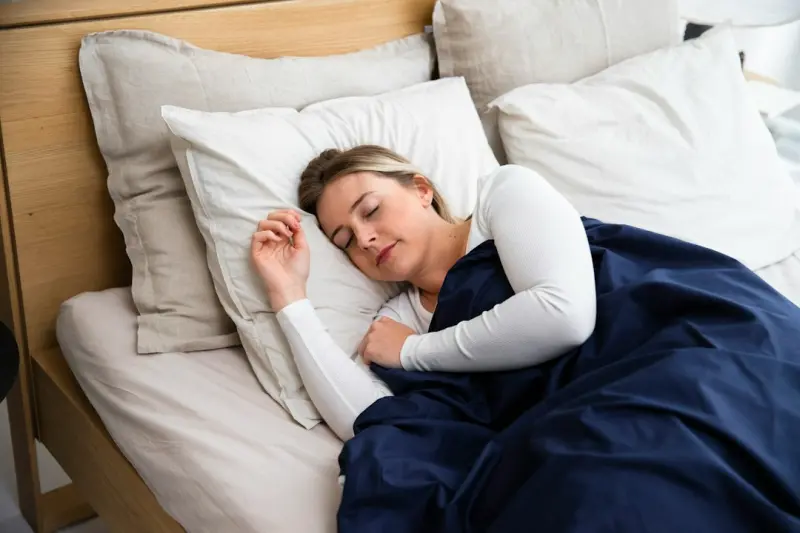
Breathing Easy at Work: Turning Sleep Apnea Into a Competitive Edge
When the alarm clock blares, you slam it off, toss a quick “I’m fine” smile at anyone watching, and sprint into the day. The truth? A quiet, invisible battle has already begun behind the curtain of your sleep – obstructive sleep apnea (OSA). It’s not just a medical condition; it’s a performance lever that most teams and leaders overlook. In this deep‑dive, I’ll unpack how untreated OSA silently erodes decision‑making, creativity, and bottom‑line results, and then lay out a data‑driven playbook that lets you, your employees, or your clients transform a health risk into a productivity advantage.
The Unseen Cost of Interrupted Breathing
OSA occurs when the airway collapses repeatedly during the night, causing brief pauses in breathing that can happen dozens to hundreds of times per hour. Each pause triggers a micro‑arousal – a surge of cortisol, a spike in heart rate, a flash of hypoxia. The cumulative effect? Fragmented sleep that feels restorative on the surface but leaves the brain in a perpetual state of low‑grade stress.
- Cognitive fog – Working memory, processing speed, and executive function dip as the prefrontal cortex receives less oxygen.
- Emotional volatility – The amygdala becomes hyper‑reactive, amplifying irritability and reducing empathy.
- Physical fatigue – Even a night of “enough” sleep can feel like a marathon without the stamina boost.
For a knowledge‑based organization, these deficits translate directly into missed deadlines, poorer strategic choices, and a higher rate of errors. The hidden cost is not just a personal health issue; it’s a corporate risk factor.
The Data‑Driven Wake‑Up Call
What separates guesswork from action is measurable data. Recent research shows that adults with moderate to severe OSA score 15‑30% lower on standard cognitive assessments than matched controls. Moreover, a data‑driven playbook for autoimmune conditions demonstrates how continuous monitoring can expose subtle trends before they become crises. The same principle applies to sleep apnea.
Start by collecting the following metrics over a baseline period (ideally two weeks):
- Apnea–hypopnea index (AHI) – Number of breathing interruptions per hour; the gold standard for severity.
- Oxygen desaturation score – Depth and frequency of blood‑oxygen drops.
- Sleep architecture – Proportion of deep (N3) and REM sleep, the stages most linked to memory consolidation.
- Daytime performance indicators – Self‑reported focus levels, reaction‑time tests, and even objective key‑performance‑indicators (KPIs) like sales calls completed.
When you overlay these data points, patterns emerge: a spike in missed sales calls after nights with high AHI, or a dip in code review quality after reduced REM. The insight is powerful – you can now attribute performance dips to a physiological cause and intervene before the damage compounds.
Wearables: From Muscle Gains to Breathing Insights
Most of us are familiar with fitness trackers that count steps, monitor heart rate, or even coach hypertrophy (Unlocking Muscle Growth with Wearable‑Powered Hypertrophy Coaching showed how these devices can fine‑tune training regimens). The same hardware, with the right firmware, can become a bedside breathing analyst.
Modern wearables now sport:
- Peripheral pulse‑ox sensors that detect overnight oxygen dips.
- Acoustic microphones that pick up snoring patterns and infer airway resistance.
- Machine‑learning algorithms that synthesize motion, heart‑rate variability, and sound to estimate AHI without a clinical sleep study.
When deployed at scale across a workforce, these devices turn every night into a data point. The key is to integrate the data into existing performance dashboards, creating a feedback loop where a rise in AHI triggers a prompt for a CPAP (continuous positive airway pressure) consultation, a sleep hygiene tip, or a brief “focus reset” exercise the next morning.
Designing a Digital Sanctuary to Support Breath
While wearables capture the problem, the solution lives in the environment. The digital age bombards us with blue light, constant notifications, and high‑intensity multitasking – all of which can exacerbate OSA by increasing sympathetic tone and reducing the restorative quality of sleep.
Borrowing ideas from Detoxifying the Digital Age, implement a “sleep‑first” digital policy:
- Evening mode – Automate a shift to warm‑tone displays and silence non‑essential alerts after 9 pm.
- Device curfew – Encourage a 30‑minute “no‑screen” window before bed, using ambient sound or guided breathing apps.
- Work‑day wind‑down – Schedule low‑stress tasks in the late afternoon to prevent a cortisol surge that can linger into the night.
Couple these habits with physical tweaks: elevate the head of the mattress by 4–6 cm, keep the bedroom cool (around 18 °C), and eliminate allergens that could inflame nasal passages. Small changes compound, creating a sanctuary where the airway can stay open.
Practical Playbook for Leaders and Teams
Here’s a step‑by‑step framework you can roll out within a month:
- Screening Survey – Deploy an anonymous questionnaire covering snoring, daytime sleepiness (Epworth Sleepiness Scale), and hypertension.
- Pilot Wearable Cohort – Provide a small group (e.g., 5‑10% of staff) with advanced wearables that track nocturnal oxygen saturation.
- Data Integration – Feed wearable data into your HR analytics platform, tagging each employee’s performance metrics.
- Intervention Triggers – Set thresholds (e.g., AHI > 15) that automatically generate a personalized outreach from occupational health.
- Therapy Access – Partner with a tele‑sleep clinic that can prescribe and remotely monitor CPAP adherence.
- Feedback Loop – Quarterly, share anonymized aggregate results with the team: “We saw a 12% lift in project completion rates after addressing sleep apnea in 30% of participants.”
This loop not only improves health outcomes but also builds trust. Employees see tangible ROI on personal well‑being investments, which boosts engagement and retention.
Future Trends: AI, Telehealth, and Predictive Analytics
The next frontier lies in predictive modeling. Imagine an AI that scans calendar density, email tone, and wearable data to flag a “sleep‑risk” score before the first apnea event occurs. Early alerts could prompt a simple breathing exercise or a short power nap recommendation, nudging the user back onto a healthier trajectory.
Telehealth platforms are already offering virtual sleep studies, reducing the barrier to diagnosis. As reimbursement models evolve, we’ll likely see bundled “sleep health” packages that include CPAP devices, remote monitoring, and behavioral coaching – all delivered via a single dashboard.
For forward‑thinking organizations, embracing these technologies is not just a wellness perk; it’s a strategic move. By reducing the hidden cognitive drag of OSA, you unlock sharper decision‑making, higher creative output, and ultimately, a more resilient bottom line.
Takeaway: Turn a Silent Threat into a Strategic Asset
Sleep apnea is the quiet saboteur of modern performance. Yet, with the right data, wearable tech, and digital environment tweaks, you can transform it from a liability into a lever for competitive advantage. Start small, measure relentlessly, and let the numbers guide your interventions. When your team breathes easy at night, they’ll think clearly, act decisively, and drive the results you’ve been chasing.

Related Posts

When the Night Breathes: Harnessing Soundscapes and Biofeedback for Sleep Apnea Relief
Explore a fresh approach to sleep apnea that blends calming soundscapes, real‑time biofeedback, an... Read More
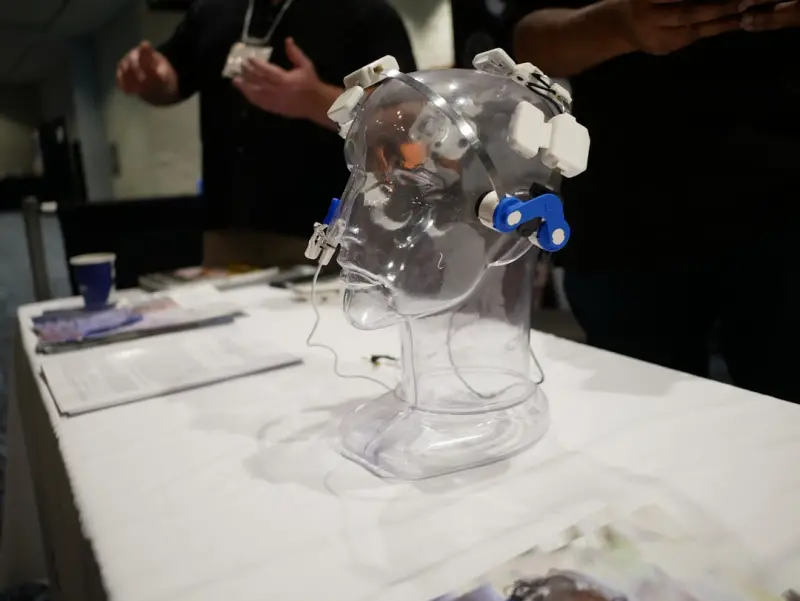
Beyond the Mask: Rethinking Sleep Apnea in the Remote Work Era
Sleep apnea is a silent threat for remote workers, but modern wearables, AI insights, and simple bre... Read More

Sleep Apnea Solutions for High‑Performance Professionals
A deep dive into how sleep apnea silently erodes executive decision‑making and productivity, and a... Read More
Top Posts
Everyday Data Redefining Cancer Care
A deep dive into how everyday data—from wearables to patient‑reported outcomes—empowers patients, clinicians, researchers, and insurers to create a more p...Read More

Mindful Movement: The Fitness Trend That Merges Sweat With Serenity
Explore the rise of mindful movement, a fitness trend that fuses breath work, balanced workouts, and holistic nutrition to transform your exercise routine into ...Read More

Inside the Secret World of the Female Microbiome: Why It Matters and How to Nurture It
The vaginal microbiome plays a crucial role in hormonal balance, immunity, and mood. Learn practical ways to protect and restore this hidden ecosystem for bette...Read More
Sync Your Body Clock to Calm Blood Pressure
A practical guide reveals how syncing your circadian rhythm, incorporating micro‑movement breaks, and optimizing light exposure can naturally lower blood pres...Read More
0 Comments
Post Comment
You will need to Login or Register to comment on this post!