
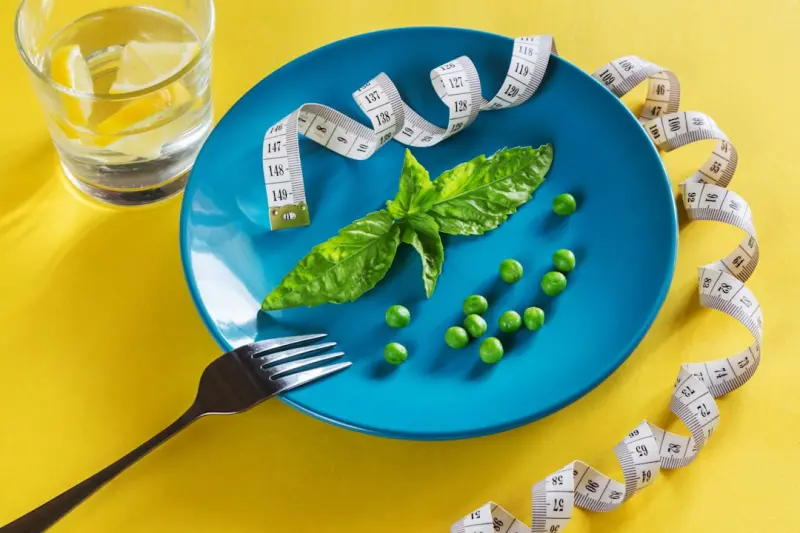
Why One‑Size‑Fits‑All Diets Miss the Mark for Women
For decades, nutrition advice has been written as if every adult body runs on the same engine. The result? Generic macros, cookie‑cutter meal plans, and a persistent feeling that “something’s off” when the scale or the mood doesn’t cooperate. Women, however, carry a built‑in, month‑long hormonal orchestra that rewires metabolism, cravings, and recovery pathways every 28 days on average. Ignoring that rhythm is the hidden cost of most mainstream diet programs.
In this post I’ll unpack the science behind the menstrual phases, reveal how macro‑ and micronutrient needs shift from the follicular surge to the luteal wind‑down, and give you a data‑driven framework you can embed into your daily workflow. Think of it as a performance‑upgrade kit for the body you already have, not a radical overhaul.
The Four Phases, One Dynamic Metabolism
While the textbook cycle is broken into menstruation, follicular, ovulation, and luteal phases, the practical impact on energy balance clusters around three windows:
- Bleeding (Days 1‑5): Estrogen and progesterone are at their lowest. Glycogen stores dip, and the body craves quick fuel.
- Follicular (Days 6‑14): Estrogen climbs, insulin sensitivity improves, and the body is primed for anabolic work.
- Luteal (Days 15‑28): Progesterone dominates, basal temperature rises, and the body leans toward catabolism and thermogenesis.
Each window triggers measurable shifts in resting metabolic rate (RMR), fat oxidation, and protein turnover. A study in the American Journal of Clinical Nutrition showed a 5‑10% increase in RMR during the luteal phase, while carbohydrate tolerance peaks in the mid‑follicular window. Those numbers are small enough to fly under the radar of generic diet calculators but large enough to affect day‑to‑day performance.
Phase‑Specific Nutrient Priorities
Below is a quick reference chart. Use it as a checklist when you’re planning meals for the week ahead.
| Phase | Key Hormones | Macro Focus | Micronutrient Boosters |
|---|---|---|---|
| Menstruation | Low estrogen & progesterone | Higher carbs (30‑35% of calories) to replenish glycogen; modest protein (15‑20%) | Iron (heme & non‑heme), vitamin C, magnesium, B‑complex |
| Follicular | Rising estrogen | Higher protein (20‑25%) for muscle synthesis; moderate carbs (40‑45%); healthy fats (30‑35%) | Zinc, selenium, omega‑3s, vitamin D |
| Luteal | Progesterone dominant | Lower carbs (30‑35%); increased healthy fats (35‑40%) to support thermogenesis; steady protein (20‑25%) | Vitamin B6, calcium, potassium, GABA‑supporting nutrients (magnesium, taurine) |
Eating Through Menstruation: Replenish, Don’t Deprive
When blood loss spikes, iron becomes the limiting factor for oxygen transport and cognitive sharpness. Pair iron‑rich foods like lean beef, lentils, or fortified cereals with vitamin C sources (citrus, bell peppers) to boost absorption. At the same time, the body’s glycogen stores are low, so a small carbohydrate snack—think a banana with a tablespoon of nut butter—can stave off the “crash” many women report.
Don’t overlook magnesium. A daily 300‑400 mg dose can reduce menstrual cramps and improve sleep quality, both of which feed back into better hormonal regulation. For those who experience heavy flow, a short‑term, doctor‑approved iron supplement can bridge the gap without the need for drastic dietary changes.
Follicular Phase: The Power‑Up Window
Estrogen ramps up the activity of the AMPK pathway, essentially telling the cells, “We’re ready to build.” This is the optimal time to schedule strength training, high‑intensity interval work, or any activity that demands rapid glycogen turnover. Your muscles will respond more efficiently to protein synthesis signals, meaning a post‑workout whey or pea protein shake can translate into measurable lean‑mass gains.
From a nutrition standpoint, prioritize complex carbs that release glucose steadily—quinoa, sweet potatoes, and whole‑grain oats. The extra fiber also supports a healthy gut microbiome, which research links to reduced estrogen re‑circulation and better mood stability. Speaking of gut health, consider how the microbiome interacts with the menstrual cycle. A recent piece on gut health and autoimmune balance highlighted that certain bacterial strains flourish during high‑estrogen phases, influencing inflammation pathways. Probiotic‑rich foods like kefir or a daily 5‑billion‑CFU supplement can help keep those strains in check.
Luteal Phase: Managing the Catabolic Shift
Progesterone raises core temperature by roughly 0.3‑0.5 °C and nudges the body toward fat oxidation. Your appetite often spikes, especially for salty or sweet foods, as the body seeks to preserve energy. Rather than fighting cravings, channel them into nutrient‑dense options.
Here’s a practical swap list:
- Craving chips? Choose roasted chickpeas seasoned with smoked paprika.
- Sweet tooth? Opt for dark chocolate (70%+ cocoa) paired with a handful of almonds.
- Salty urge? Snack on seaweed crisps or a small portion of feta‑topped cucumber.
These choices deliver healthy fats, protein, and micronutrients like potassium and calcium, which help buffer the progesterone‑induced rise in blood pressure.
Because insulin sensitivity dips slightly in the luteal phase, keep refined carbs to a minimum. If you’re an endurance athlete, a low‑glycemic pre‑run snack (e.g., a half‑banana with almond butter) can provide enough glucose without spiking insulin.
Practical Meal‑Planning Toolkit
Below is a sample day for each phase, designed for a 2,200‑calorie intake. Adjust portions according to your personal energy demands.
Menstruation – Sample Day
- Breakfast: Steel‑cut oats with sliced strawberries, pumpkin seeds, and a splash of fortified almond milk.
- Mid‑morning: Greek yogurt (or plant‑based alternative) with a drizzle of honey and a few walnuts.
- Lunch: Spinach and beet salad with grilled chicken, quinoa, orange segments, and a lemon‑tahini dressing.
- Snack: Apple slices with peanut butter.
- Dinner: Baked salmon, roasted sweet potatoes, and steamed broccoli.
Follicular – Sample Day
- Breakfast: Scrambled eggs with sautéed kale, mushrooms, and a side of whole‑grain toast.
- Mid‑morning: Smoothie: spinach, banana, whey protein, chia seeds, and oat milk.
- Lunch: Turkey and avocado wrap in a sprouted‑grain tortilla, carrot sticks, and hummus.
- Snack: Cottage cheese with pineapple chunks.
- Dinner: Grilled shrimp, quinoa pilaf with edamame, and a mixed greens salad.
Luteal – Sample Day
- Breakfast: Greek yogurt parfait with mixed berries, granola, and a sprinkle of cinnamon.
- Mid‑morning: Handful of pumpkin seeds and a piece of dark chocolate.
- Lunch: Lentil soup, side of roasted Brussels sprouts, and a slice of whole‑grain bread.
- Snack: Celery sticks with almond butter.
- Dinner: Grass‑fed beef stir‑fry with bell peppers, bok choy, and brown rice.
Data‑Driven Tracking Without Obsession
Technology can be an ally, not a tyrant. A simple spreadsheet or a low‑cost tracking app can help you spot patterns without turning your life into a constant data dump. Record:
- Phase (based on calendar or basal temperature)
- Macronutrient ratios (quick estimate via food‑log apps)
- Energy scores (1‑10) and mood notes
- Performance metrics (e.g., lifts, run times, focus duration)
After a month, run a correlation analysis to see which macronutrient tweaks line up with higher energy or better output. If you notice a dip in focus during the luteal phase when carbs exceed 40% of intake, you have a data‑backed reason to dial them down.
For readers who already leverage nutrition for mental acuity, you’ll recognize the link to creative flow nutrition strategies. The same principles—stable blood sugar, adequate omega‑3s, and micronutrient density—apply, just shifted across the cycle.
Common Pitfalls and How to Sidestep Them
1. Ignoring the “soft” signals. Many women brush off cravings as “just a mood.” In reality, those signals are the body’s request for specific nutrients. Document them, and you’ll start to see a pattern.
2. Over‑relying on supplements. A well‑rounded diet will cover most needs. Use supplements only to fill gaps (e.g., iron during heavy flow, magnesium for PMS). Over‑supplementation can blunt the natural hormonal feedback loops.
3. One‑size‑fits‑all exercise programming. High‑intensity intervals feel great in the follicular window but may feel punitive in the luteal phase. Adjust volume and intensity to align with hormonal tolerance.
Integrating Cycle‑Smart Eating into a Busy Professional Life
Time is the scarcest resource for most high‑performers. Here are three tactics to make the transition painless:
- Batch‑Cook with Phase Segments. Prepare a base of protein (chicken breast, tofu) and a grain (farro, brown rice) on Sunday. During the week, remix them with phase‑specific veggies and sauces.
- Smart Grocery Lists. Keep a master list divided into “Follicular Favorites,” “Luteal Comforts,” and “All‑Phase Staples.” When you’re at the store, you’ll only pick items that serve the current phase.
- Micro‑Meal Prep. A 10‑minute “snack station” (pre‑portioned nuts, fruit, dark chocolate) eliminates the temptation to reach for vending‑machine options when cravings hit.
Beyond Nutrition: Lifestyle Levers That Complement Cycle‑Smart Eating
Nutrition is only one piece of the puzzle. Pair your diet with these evidence‑based habits for a holistic boost:
- Sleep Hygiene. Aim for 7‑9 hours consistently. Light exposure in the morning can help regulate the estrogen‑driven circadian shift in the follicular phase.
- Stress Management. Mindful breathing (yes, the same principle behind respiratory detox) lowers cortisol, which otherwise amplifies luteal‑phase fatigue.
- Movement Variety. Swap heavy lifting for yoga or Pilates during the luteal phase to support progesterone‑driven joint lubrication.
Final Thoughts: Turning the Cycle Into a Competitive Edge
The menstrual cycle is not a liability; it’s a built‑in performance modulation system. By aligning macronutrient ratios, micronutrient timing, and lifestyle habits with each hormonal window, you unlock a level of physiological optimization that generic diets simply can’t provide. The payoff is measurable: steadier energy, sharper focus, and fewer mood swings—whether you’re leading a boardroom, training for a marathon, or simply navigating a busy week of meetings.
Start small. Choose one phase, track your intake and energy, and iterate. In a few cycles you’ll have a personalized, data‑driven playbook that respects your biology and powers your ambitions.

Related Posts

The Unseen Struggle: Women's Mental Health in Modern Society
Women's mental health is a critical issue that affects us all. Learn how to prioritize self-care, se... Read More

Reclaiming Hormonal Harmony: A Holistic Guide for Women
Explore a holistic approach to women’s health, covering hormone balance, nutrition, joyful movemen... Read More

Navigating Perimenopause: A Holistic Roadmap for Women
A fresh, holistic roadmap helps women turn perimenopause challenges into opportunities for lasting v... Read More
Top Posts

When Creativity Becomes the Compass: Artistic Paths Out of Eating Disorders
Creative expression—through drawing, music, writing, or movement—provides a powerful, science‑backed pathway out of eating disorders, complementing tradit...Read More
From Soil to Stomach: Reimagining Gut Health Through Home Gardening
Explore a hands‑on approach to gut wellness by connecting soil‑based foods, DIY fermentation, and mindful habits, offering a fresh, actionable path to a hea...Read More
Fermented Office Snacks: Boost Gut Health & Team Performance
Turn your office snack drawer into a fermentation station and unlock gut-driven energy, focus, and collaboration. Learn science‑backed strategies, implementat...Read More

Designing the Senior Home for Safety, Comfort, and Cognitive Vitality
Explore how thoughtful lighting, flooring, sound, scent, and personalized touches can transform senior living spaces into safe, comfortable, and cognitively enr...Read More
0 Comments
Post Comment
You will need to Login or Register to comment on this post!