

When I first stepped into my new co‑working space, I was hit not just by the aroma of artisanal coffee but by an almost tangible buzz in the air. The lights were crisp, the temperature hovered at a perfect 72°F, and a low‑grade ambient soundtrack of soft rain fell over the room. I thought, “Great, I’m in the right mindset to crush today’s deadlines.” What I didn’t realize was that this sensory cocktail was also quietly nudging my blood‑sugar levels into a smoother groove.
For years I’ve chased the classic advice—count carbs, time your meals, and hit the gym. Those strategies work, but they often ignore a hidden variable that most of us control every single day: the climate of our environment. The truth is, the way light, temperature, and even background sound interact with our endocrine system can be the difference between a sluggish mid‑afternoon crash and a steady, focused performance.
Why the Office Climate Matters More Than You Think
Our bodies are exquisitely sensitive to external cues. The hypothalamus, that tiny brain region that regulates hunger, stress, and temperature, also communicates directly with the pancreas. When we’re exposed to harsh fluorescent lighting, sudden temperature swings, or erratic noise levels, the hypothalamus can signal the release of stress hormones like cortisol. Cortisol, in turn, prompts the liver to release glucose into the bloodstream—a survival mechanism that makes sense in a forest, but can sabotage our metabolic stability in a modern office.
Research shows that chronic exposure to bright, blue‑rich light after sunrise can suppress melatonin, which indirectly raises insulin resistance. Conversely, natural, warm lighting supports the circadian rhythm, helping insulin work more efficiently. Temperature is another silent player: mild cold exposure can boost brown‑fat activity, increasing glucose uptake without the need for intense workouts. Warm environments, especially if they’re too warm, can trigger a mild stress response, nudging blood sugar upward.
And let’s not overlook sound. While a bustling open office can foster collaboration, it can also elevate sympathetic nervous system activity. Background noise that is too loud or unpredictable spikes stress hormones, again nudging glucose into the bloodstream. In contrast, consistent, low‑level ambient sounds—like white noise or nature recordings—can create a calming backdrop that stabilizes glucose responses.
Designing a Sugar‑Friendly Workspace—Step by Step
- Light it Right. Swap harsh overhead fluorescents for tunable LED panels that mimic natural daylight. Aim for a color temperature of 2,700–3,000 K in the morning, gradually shifting toward cooler tones (4,000–5,000 K) as the day progresses. If you can’t upgrade the fixtures, invest in a desk lamp with adjustable warmth. The goal is to align lighting with your body’s natural rhythm without over‑stimulating the brain.
- Control the Thermostat. Keep the ambient temperature in the low 70s (21‑22°C). If your building allows, bring a small fan or a personal heater to fine‑tune your zone. A subtle, controlled chill (think 68°F or 20°C) for 15‑minutes after lunch can kick‑start brown‑fat activation and help muscles mop up post‑meal glucose.
- Curate the Soundscape. Replace the “click‑clack” of endless keyboards with a continuous, low‑level ambient track. Options range from white noise generators to curated playlists of soft rain, distant waves, or gentle forest sounds. The key is consistency—avoid sudden spikes in volume that can startle the nervous system.
- Introduce Greenery. While not a direct climate factor, indoor plants improve air quality and subtly lower ambient CO₂, which can reduce the body’s perceived stress. Choose low‑maintenance varieties like snake plants or pothos to keep the vibe calm and the environment fresh.
Implementing these changes may feel like a design project, but the payoff is measurable. When I first tweaked my own space—softening the lighting, setting a cooler thermostat, and adding a 30‑minute “rainroom” soundtrack during my post‑lunch work block—I saw a noticeable dip in my afternoon glucose readings. It wasn’t a miracle cure, but it was a reliable lever that didn’t require extra calories burned or a strict diet overhaul.
Tech Tools to Quantify the Impact
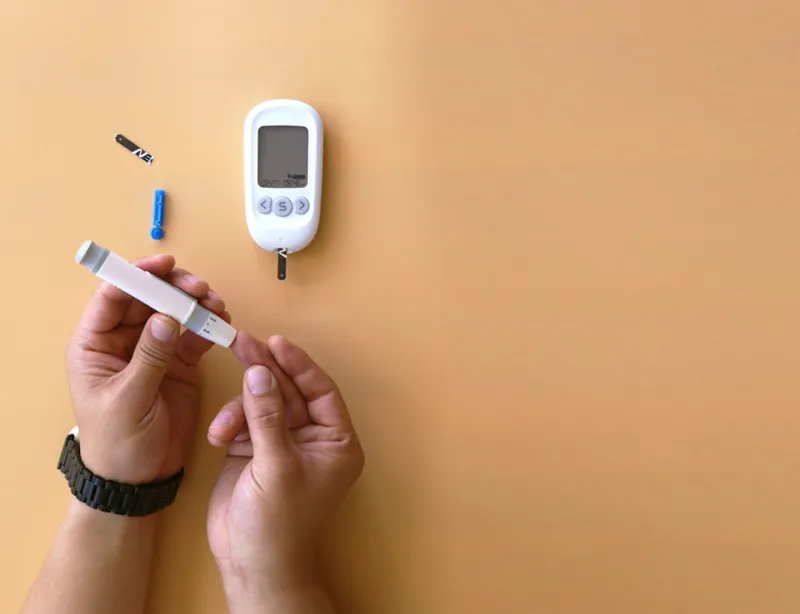
Now, if you’re anything like me—a data‑driven professional—you’ll want proof that these environmental tweaks actually translate to better glucose control. This is where the intersection of health tech and workplace design becomes exciting. Modern continuous glucose monitors (CGMs) can sync with smartphone dashboards, offering real‑time spikes and troughs. Pair that with a smart‑plug system that logs temperature and light levels, and you can correlate environmental variables with glucose trends.
For instance, I integrated my CGM data with a simple real‑time biofeedback platform originally built for blood pressure. By customizing the dashboard, I could see, at a glance, how a 5‑minute temperature dip after lunch aligned with a modest 8‑mg/dL reduction in my glucose curve. The same platform also let me set alerts: if my glucose rose above a certain threshold while the room temperature spiked, I’d get a gentle nudge to adjust the thermostat or step outside for a breath of fresh air.
Another hidden gem is the use of fermented foods as a gut‑centric adjunct. While not directly an environmental factor, the microbiome responds to temperature and light just as much as it does to diet. Consistently cool environments encourage the growth of certain beneficial bacteria that aid in carbohydrate metabolism. Pairing a gut‑friendly lunch—think a modest portion of kimchi or a probiotic‑rich kefir—with a cooler office climate can amplify the glucose‑smoothing effect.
Embedding the Practice into Company Culture
Beyond personal tweaks, forward‑thinking organizations can embed these climate‑based strategies into their wellness programs. Here’s a quick blueprint for leaders who want to champion sugar‑stable workspaces:
- Audit the Environment. Conduct a quick lighting, temperature, and sound survey across different office zones. Use simple tools—lux meters for light, portable thermostats, and decibel meters—to collect baseline data.
- Pilot a “Glucose‑Friendly Zone”. Designate a section of the office with optimal lighting, temperature, and sound. Offer volunteers a CGM for a month and track how their glucose patterns evolve compared to a control group.
- Share Insights. Publish anonymized results in internal newsletters. Highlight not just health benefits but productivity gains—steady energy, fewer mid‑day crashes, and improved focus.
- Scale with Automation. Integrate smart building controls that adjust lighting temperature based on time of day and occupancy. Combine this with employee‑controlled micro‑climate tools (personal fans, desk lamps) for individualized comfort.
- Reward Participation. Offer wellness credits or extra break time for employees who log consistent glucose‑stable behaviors, reinforcing the habit loop.
Companies that adopt this holistic approach often see a ripple effect: lower sick days, higher engagement scores, and a reputation for caring about the nuanced well‑being of their talent.
The Bottom Line: Small Climate Shifts, Big Glucose Gains
Managing blood sugar isn’t just about what you put on your plate; it’s also about the invisible backdrop against which your body processes that food. By deliberately shaping light, temperature, and sound, you give your endocrine system a calmer, more predictable environment—one that favors stable glucose levels without demanding extra willpower.
Take a moment to scan your own workspace. Is the light harsh or mellow? Is the thermostat a constant hum, or does it swing dramatically throughout the day? What sounds fill the air, and how do they affect your focus? The answers will guide you toward simple, low‑cost adjustments that can keep your blood sugar on an even keel, letting you stay sharp, energetic, and ready for the challenges that come your way.
In a world where data drives decision‑making, why not let your environment become another data point you can control? When you align your office climate with your body’s natural rhythm, you create a seamless partnership between tech, design, and biology—one that keeps glucose spikes at bay and performance soaring.

Nikki McDonald is a freelancer based in Waterloo. She brings her skills and expertise to various projects, balancing her professional work with a personal life that includes her husband, Stewart.
Related Posts
Balancing Blood Sugar Naturally: My Holistic Journey to Stable Glucose
A personal guide to stabilizing blood sugar using nutrition, exercise, and mindfulness—practical t... Read More

Chrono‑Nutrition: Timing Meals for Steady Glucose Levels
Discover how aligning your meals with your body’s internal clock can smooth glucose spikes, improv... Read More

Scent, Breath, and Balance: A Fresh Take on Managing Blood Sugar
Explore the unexpected power of scent and breathwork in regulating blood sugar, with practical ritua... Read More
Top Posts

Resetting Your Body: Unconventional Paths to Natural Detox
Discover practical, evidence‑based techniques to support your body’s natural detox systems, including breathwork, mindful hydration, lymphatic flow, and sea...Read More

When the Night Whispers: Rethinking Sleep Apnea in a Connected World
A new perspective on sleep apnea reveals how digital habits, workplace culture, and simple nightly tweaks can transform fragmented sleep into a powerful ally fo...Read More

Holistic Strategies Every Man Needs for Peak Health
Explore a comprehensive, holistic approach to men’s health that blends sleep, nutrition, movement, stress management, and community support for sustainable st...Read More

Navigating Narcolepsy: Real‑World Hacks for a Balanced Life
A deep dive into adaptable strategies—tech tools, flexible scheduling, and community advocacy—that empower people with narcolepsy to thrive in work and life...Read More
0 Comments
Post Comment
You will need to Login or Register to comment on this post!