
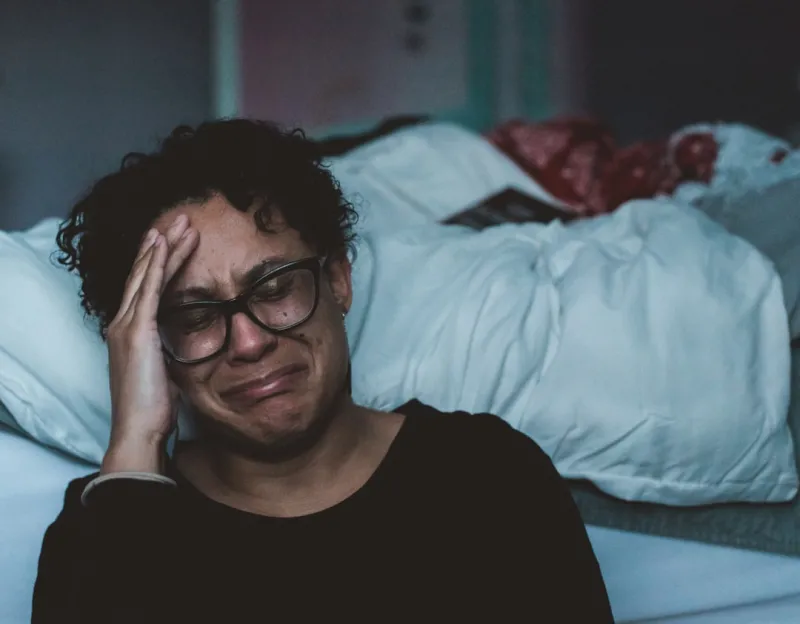
The Unseen Struggle: Women's Mental Health in Modern Society
As women, we are often expected to juggle multiple roles and responsibilities, from career and family to social and personal obligations. However, in the midst of all this chaos, we often forget to prioritize our own mental health. The pressure to conform to societal expectations, the stigma surrounding mental illness, and the lack of support systems can make it difficult for women to speak up and seek help. As someone who has personally struggled with mental health issues, I believe it's essential to shed light on this critical topic and explore the ways in which we can work towards creating a more supportive and inclusive environment for women's mental health.
The Prevalence of Mental Health Issues in Women
Mental health issues affect women at a disproportionate rate compared to men. According to various studies, women are more likely to experience anxiety, depression, and other mental health conditions due to a combination of biological, psychological, and social factors. The struggle is real, and it's essential that we acknowledge the complexity of these issues and work towards creating a more compassionate and understanding society. By doing so, we can encourage women to speak up and seek help without fear of judgment or rejection.
The Impact of Societal Expectations on Women's Mental Health
Societal expectations can have a profound impact on women's mental health. The pressure to conform to unrealistic beauty standards, the expectation of being a perfect mother, partner, and professional, and the stigma surrounding mental illness can all contribute to feelings of inadequacy, low self-esteem, and anxiety. It's essential that we challenge these expectations and work towards creating a more inclusive and accepting environment that allows women to be themselves without fear of judgment. By promoting positive body image, supporting women's empowerment, and encouraging open conversations about mental health, we can help women develop a more positive and compassionate relationship with themselves.
The Importance of Self-Care for Women's Mental Health
Self-care is not a luxury; it's a necessity for maintaining good mental health. By prioritizing activities that nourish our mind, body, and soul, we can reduce stress, improve our mood, and increase our resilience. The connection between physical and mental health is well-documented, and engaging in regular exercise, healthy eating, and relaxation techniques can have a significant impact on our overall well-being. As women, it's essential that we make time for self-care and prioritize our own needs, even if it means saying no to others.
Managing Stress and Anxiety
Stress and anxiety are common experiences for many women. However, when left unmanaged, they can have serious consequences for our mental and physical health. By learning effective coping strategies, such as meditation, deep breathing, and journaling, we can better manage stress and anxiety. It's also essential that we seek support from loved ones, mental health professionals, or support groups when needed. Exercise is a powerful tool for managing stress and anxiety, and engaging in regular physical activity can have a significant impact on our overall well-being.
Breaking the Stigma Surrounding Mental Illness
The stigma surrounding mental illness is a significant barrier to seeking help. As women, we often feel ashamed or embarrassed about our struggles, and this can prevent us from speaking up and seeking support. It's essential that we work towards creating a more compassionate and understanding society that encourages open conversations about mental health. By sharing our stories, supporting one another, and promoting education and awareness, we can break down the stigma surrounding mental illness and create a more inclusive environment for women to seek help.
The Role of Community in Supporting Women's Mental Health
Community plays a critical role in supporting women's mental health. By connecting with others who share similar experiences, we can feel less isolated and more supported. Online communities, support groups, and social networks can provide a safe and confidential space for women to share their struggles and connect with others. It's essential that we prioritize building and maintaining these communities, as they can have a significant impact on our overall well-being.
Conclusion
Women's mental health is a critical issue that affects us all. By prioritizing self-care, seeking support, and promoting education and awareness, we can work towards creating a more supportive and inclusive environment for women's mental health. It's essential that we challenge societal expectations, break down the stigma surrounding mental illness, and prioritize our own needs. By doing so, we can promote positive mental health and well-being for women and girls everywhere.
Some key takeaways from this article include:
- Women are disproportionately affected by mental health issues, including anxiety and depression.
- Societal expectations can have a profound impact on women's mental health, including the pressure to conform to unrealistic beauty standards and the expectation of being a perfect mother, partner, and professional.
- Self-care is essential for maintaining good mental health, and prioritizing activities that nourish our mind, body, and soul can reduce stress and improve our mood.
- Community plays a critical role in supporting women's mental health, and connecting with others who share similar experiences can help us feel less isolated and more supported.
By working together, we can create a more compassionate and inclusive society that supports the mental health and well-being of women and girls everywhere.

Brandy Miller is a dynamic freelance writer based in the vibrant city of Cambridge, Ontario. With a passion for storytelling that knows no bounds, she crafts compelling narratives that captivate and inspire. Brandy’s love for writing shines through in her versatile work, whether she’s penning thought-provoking articles or engaging content that resonates with readers. Her unique perspective and friendly tone make her a sought-after voice in the writing community. When she’s not weaving words together, you can find her exploring the beautiful landscapes of Ontario, always seeking new adventures and inspiration for her next piece. Brandy is not just a writer; she’s a creative force, making her mark one word at a time.
Related Posts

Listening to the Heartbeat of Her Health: A Fresh Look at Women’s Cardiovascular Wellness
A deep dive into women’s cardiovascular health reveals hidden risks and tailored strategies—from... Read More

Cycle Syncing: Boosting Productivity and Well‑Being for Women
Learn how to harness the four phases of the menstrual cycle to match tasks, nutrition, and movement,... Read More
The Unspoken Truth About Women's Health: A Holistic Approach to Wellness
A holistic approach to women's health considers the unique challenges and experiences that women fac... Read More
Top Posts

Cycle‑Smart Nutrition: Tailoring Your Diet to Every Phase of the Menstrual Cycle
Learn how to match your nutrition to the four phases of the menstrual cycle, optimizing energy, mood, and performance with evidence‑based food choices and sim...Read More
Holistic Nutrition: Transforming Everyday Eating into Vibrant Health
Explore a holistic nutrition strategy that blends gut health, micronutrients, mindful eating, and personalized diet tweaks to boost energy, balance blood sugar,...Read More
Micro‑Habits to Master Blood Sugar Without Relying on Diet Trends
Learn how tiny daily actions—like strategic hydration, sensory cues, and cold exposure—can keep your blood sugar steady, empowering you to stay energized wi...Read More

A Holistic Pregnancy Journey: From First Trimester to Postpartum Bliss
Explore a holistic pregnancy roadmap that blends nutrition, mindful movement, and mental wellness, guiding you from the first trimester through a thriving postp...Read More
0 Comments
Post Comment
You will need to Login or Register to comment on this post!