
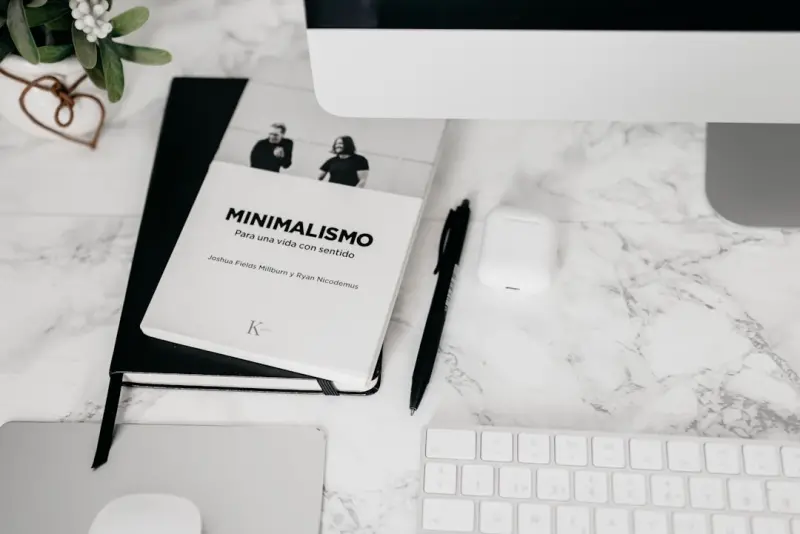
Rewiring the Modern Mind: How Digital Minimalism Fuels Brain Longevity
When I first swapped a cluttered desktop for a clean, purpose‑driven workspace, I expected a modest boost in productivity. What I didn’t anticipate was the cascade of cognitive benefits that followed—a sharper focus, deeper memory retention, and a sense of mental spaciousness that felt almost meditative. This experience sparked a personal experiment that quickly grew into a broader inquiry: can intentional digital minimalism become a cornerstone of brain health?
The Invisible Load: Cognitive Overload in the Age of Information
Our brains are marvelous prediction machines, constantly filtering, prioritizing, and updating based on the flood of sensory and digital input we receive. Yet the modern landscape is saturated with notifications, endless scrolling feeds, and multitasking demands that were unimaginable a decade ago. Neuroscientists refer to this as cognitive overload—a state where the brain’s limited attentional resources are stretched thin, leading to reduced executive function, impaired working memory, and increased stress hormones.
Research shows that chronic exposure to high‑stimulus environments can shrink the prefrontal cortex, the region responsible for decision‑making, impulse control, and abstract thinking. Moreover, the default mode network (DMN)—the brain’s “idle” mode associated with creativity and introspection—gets constantly interrupted, diminishing its restorative benefits. The result? A mind that feels perpetually “on,” with diminished capacity for deep learning and long‑term memory consolidation.
Digital Minimalism: Definition, Not Just a Trend
Digital minimalism is more than simply turning off notifications; it’s a philosophy that encourages intentional use of technology to serve clearly defined goals. In practice, it involves three core steps:
- Audit. Catalog every app, website, and device that claims a slice of your attention.
- Prioritize. Distinguish between tools that amplify your cognitive objectives and those that merely occupy mental real estate.
- Prune. Remove or limit the latter, creating a lean digital ecosystem that supports focus, learning, and recovery.
This framework aligns with the brain’s natural inclination toward chunking—grouping related information into coherent units. By reducing the number of unrelated digital “chunks,” we give the brain more bandwidth to build robust, meaningful connections.
Neuroplasticity Meets Minimalism
Neuroplasticity is the brain’s lifelong ability to rewire itself in response to experience. While we often hear about plasticity in the context of learning new skills or recovering from injury, the principle also applies to everyday information environments. When we repeatedly expose ourselves to shallow, fragmented content, we reinforce neural pathways that favor rapid, surface‑level processing.
Conversely, a curated digital diet—rich in deep reading, focused problem‑solving, and purposeful reflection—strengthens pathways associated with sustained attention, critical analysis, and long‑term memory. In essence, digital minimalism becomes a form of “cognitive training,” encouraging the brain to favor depth over breadth.
Practical Strategies for a Brain‑Friendly Digital Life
1. Schedule “Information Windows”
Instead of checking email, news, or social media every few minutes, designate specific blocks—say, 30 minutes in the morning and 30 minutes in the evening—to consume external information. This mirrors the brain’s natural ultradian rhythms, which favor periods of focused activity followed by rest.
2. Adopt “Single‑Tasking” Tools
Use applications that lock you into one task at a time. For instance, a minimalist writing app that disables internet browsing or a Pomodoro timer that forces you to concentrate for 25‑minute intervals. The reduction of context switching preserves working memory and reduces the mental fatigue associated with multitasking.
3. Curate Your Feed with Intent
Rather than following dozens of accounts that compete for attention, select a handful of sources that align with your intellectual goals. Periodically audit these subscriptions, removing any that no longer serve a purpose. A lean feed reduces the “decision fatigue” that drains executive function.
4. Leverage “Digital Sabbaths”
Take a full day—or at least a half‑day—each week without screens. Use this time for physical activity, reading physical books, or engaging in hobbies that stimulate different brain regions (e.g., music, painting, gardening). The practice reinforces the brain’s capacity for neurogenesis, especially in the hippocampus, which is crucial for memory formation.
5. Turn Data Into Insight, Not Distraction
Many of us track health metrics obsessively, but the raw numbers can become a source of anxiety if not interpreted meaningfully. Building a personal health dashboard that aggregates essential data—sleep, activity, heart rate variability—into clear visualizations can help you make informed decisions without drowning in detail. For inspiration on constructing such dashboards, see Turning Data Into Glycemic Gold.
6. Rethink Notifications as “Levers”
Think of notifications not as inevitable alerts but as levers you can adjust. Disable all non‑essential push notifications; for critical ones (e.g., calendar reminders), use a calm tone and schedule them to appear during designated focus periods. This mirrors strategies discussed in Beyond the Cuff, where unconventional levers are used to regulate physiological responses.
The Science Behind the Benefits
Multiple studies have documented the cognitive gains associated with reduced digital clutter:
- Improved Working Memory. A 2020 experiment showed that participants who limited social media use to 10 minutes per day demonstrated a 15% increase in working memory test scores after two weeks.
- Enhanced Creativity. Researchers at Stanford found that individuals who practiced a daily “digital detox” for 30 minutes produced more original ideas in a divergent thinking task.
- Lower Stress Hormones. Cortisol measurements dropped significantly in participants who adopted a structured notification schedule, indicating reduced stress response.
These outcomes are not merely anecdotal; they reflect measurable changes in neural efficiency and synaptic strength. By removing extraneous digital stimuli, the brain can allocate resources toward strengthening the neural circuits that matter most to you.
Integrating Minimalism with Community and Purpose
One misconception about digital minimalism is that it leads to isolation. In fact, intentional tech use can enhance community engagement. When you free up mental bandwidth, you become more present in conversations, meetings, and collaborative projects. This deeper presence fosters stronger social bonds—a known protective factor for cognitive decline.
Moreover, aligning your digital habits with a broader purpose—whether it’s advancing a professional skill, contributing to a cause, or nurturing a creative hobby—creates a feedback loop that reinforces both motivation and neuroplastic change. Purpose-driven engagement activates the brain’s reward pathways, promoting dopamine release that further consolidates learning.
Measuring Success: Beyond Likes and Screenshots
Traditional metrics like screen time reports give a superficial view of digital consumption. To truly assess the impact of digital minimalism on brain health, consider these qualitative and quantitative markers:
- Subjective Focus. Rate your perceived ability to concentrate on a scale of 1–10 at the end of each day.
- Memory Recall. Keep a simple journal of daily tasks and review it after 24 hours to gauge retention.
- Stress Levels. Use a brief mindfulness check‑in or a heart rate variability (HRV) monitor to track physiological stress.
- Creative Output. Track the number of new ideas, sketches, or pieces of writing you generate each week.
By regularly reviewing these indicators, you can fine‑tune your digital habits, ensuring they continue to serve your cognitive goals.
Future Outlook: A Brain‑Centric Digital Landscape
As artificial intelligence and immersive technologies become more pervasive, the temptation to fill every cognitive niche with digital input will only increase. However, the same tools that risk overload also hold the potential to become allies for brain health—provided we wield them with intention.
Imagine a future where operating systems natively support “focus modes” that adapt in real time based on your neuro‑feedback, or where AI curates content not by popularity but by alignment with your long‑term learning roadmap. Achieving this vision requires a cultural shift: moving from a “more is better” mindset to a “quality over quantity” ethos.
By adopting digital minimalism now, we not only safeguard our present mental clarity but also lay the groundwork for a healthier, more resilient brain in the years to come.
Take the First Step Today
Start small. Choose one digital habit—perhaps turning off non‑essential notifications or setting a single “information window” each day—and observe the difference it makes in your mental state. Record your observations, adjust, and expand. The brain thrives on incremental, purposeful change; your digital environment should reflect the same principle.
Remember, the goal isn’t to abandon technology, but to sculpt it into a tool that amplifies, rather than diminishes, the brilliance of the human mind.

Lifan Chen is a freelancer based in Toronto specializing in marketing. With expertise in crafting effective marketing strategies and campaigns, Lifan helps businesses grow their brand presence and reach target audiences. As a Toronto-based freelancer, Lifan combines local market insights with creative marketing skills to deliver tailored solutions for clients.
Related Posts

Rewire Your Brain with Structured Downtime
Learn why purposeful pauses are essential for brain health, how to design a downtime routine, and th... Read More
Unlocking Brain Power: The Surprising Science of Playful Learning
Explore the science behind playful learning, practical strategies to embed fun into daily routines, ... Read More
Micro‑Movements for Brain Fitness: Tiny Physical Shifts That Supercharge Cognitive Resilience
Discover the science behind micro‑movements—brief, low‑impact actions that enhance cerebral bl... Read More
Top Posts

Breathing Easy: My Holistic Path to Overcoming Sleep Apnea
A firsthand story of battling sleep apnea with holistic strategies, from sleep‑friendly spaces to mindful movement, offering hope and practical steps for rest...Read More

Why Listening to Your Baby’s Cues Can Transform Their Health
Learn how attuned caregiving—reading your baby’s cues, gentle massage, and mindful hygiene—can strengthen immunity, improve digestion, and deepen the pare...Read More

Your Gut as the Compass: Steering Autoimmune Health with Microbial Insight
Jessica Hall shares a personal roadmap for using gut health to manage autoimmune disease, offering actionable tips, tracking methods, and lifestyle tweaks to cr...Read More

Finding Your Rhythm: How Playful Movement Can Rewrite Your Personal Narrative
Learn to view exercise as a narrative device, turning workouts into playful, story‑driven chapters that enhance motivation, recovery, and personal growth....Read More
0 Comments
Post Comment
You will need to Login or Register to comment on this post!