

Why Your Workspace Might Be the Secret Ingredient for Sharper Thinking
When I first swapped my cramped home office for a light‑filled loft, I expected a boost in productivity simply because the view was nicer. What I didn’t anticipate was how profoundly the physical environment could rewrite the way my brain processes information, solves problems, and even feels. The truth is, our nervous system is constantly receiving signals from the walls, the lighting, the hum of the HVAC, and the scent of a nearby coffee bean. Those signals either lubricate the neural pathways we rely on for focus and creativity or they create friction that forces our brain to work harder just to stay on task.
Soundscapes: The Unseen Conductor of Cognitive Flow
Most of us think of sound as background noise—something to mute or ignore. Yet, the acoustic profile of a room can act as a conductor, setting the tempo for attention. Low‑frequency ambient sounds, like the gentle rustle of leaves or a distant waterfall, have been shown to lower cortisol and increase alpha‑brain waves, the state associated with relaxed alertness. Conversely, abrupt, high‑frequency noises (think of a phone notification or a printer jam) trigger a startle response that spikes adrenaline, scattering focus across unrelated neural circuits.
Creating an optimal sound environment doesn’t mean you need a professional audio engineer. Simple steps—such as adding a white‑noise machine, using acoustic panels, or curating a playlist of instrumental tracks—can smooth the auditory input and give your prefrontal cortex the bandwidth it needs for deep work.
Lighting: More Than Just Brightness
Natural light is the gold standard, but many of us work in windowless rooms or after sunset. The spectrum and intensity of artificial lighting influence melatonin production, circadian rhythm, and ultimately, cognitive stamina. Blue‑rich light in the morning promotes alertness and supports the brain’s executive functions, while warmer amber tones in the evening help wind down mental activity, preparing the brain for restorative sleep.
Strategically layering lighting—task lights for detailed work, ambient overhead fixtures for general illumination, and subtle accent lights to break monotony—mirrors the way the brain processes visual information in layers. It keeps visual fatigue at bay and encourages a more dynamic mental state.
Color Theory Meets Neurobiology
Colors aren’t just decorative; they trigger physiological responses that can enhance or hinder cognition. Blue is linked to increased concentration and logical reasoning, making it ideal for analytical tasks. Green offers a calming effect, reducing anxiety and supporting creative brainstorming. Yellow can boost optimism and energy, useful for early‑day motivation, but overuse may lead to overstimulation.
In practice, a balanced palette—perhaps a calming green wall, a blue desk lamp, and subtle yellow accents—creates a visual rhythm that aligns with the brain’s natural ebb and flow of attention.
Scent: Aromas as Neuromodulators
Our olfactory system is directly wired to the limbic system, the seat of emotion and memory. Certain scents can act as neuromodulators, subtly shifting mood and mental clarity. Peppermint, for example, has been shown to enhance short‑term memory and increase alertness. Rosemary can improve accuracy on cognitive tasks, while lavender promotes relaxation and reduces stress.
Incorporating a diffuser with a rotating schedule of these essential oils can keep the brain refreshed throughout the day. The key is moderation—overpowering aromas can become distracting rather than supportive.
Ergonomics: The Posture‑Brain Connection
While the title “When Movement Becomes Your Brain’s Best Co‑Pilot” explored the benefits of physical activity, the subtler relationship between posture and cognition often gets overlooked. A slouched position compresses the diaphragm, limiting oxygen flow to the brain and increasing fatigue. Conversely, an upright, open posture expands the thoracic cavity, improving blood circulation and signaling confidence to the brain’s reward centers.
Investing in an adjustable sit‑stand desk, an ergonomic chair, and a monitor positioned at eye level can transform the way neural pathways fire. Even a simple reminder to “reset” your posture every hour can lead to measurable improvements in focus and mood.
Digital Minimalism: Reducing Cognitive Load
We live in an era of constant notification pinging, which fragments attention and overloads working memory. By curating the digital environment—turning off nonessential alerts, using focus‑mode apps, and decluttering desktop icons—you reduce the extraneous input the brain must filter. This intentional reduction of “digital noise” frees up neural resources for higher‑order thinking.
Think of it as pruning a garden: removing the weeds (unnecessary notifications) allows the flowers (deep work) to flourish without competition for nutrients (cognitive bandwidth).
The Gut‑Brain Bridge: Nutrition Meets Environment
While the headline “Why Your Gut Is the CEO of Your Decision‑Making” dives deep into the microbiome’s influence on cognition, the environment you eat in also matters. A tidy, well‑lit kitchen encourages mindful eating, which stabilizes blood glucose and reduces mental fog. Moreover, incorporating brain‑supportive foods—like omega‑3‑rich salmon, antioxidant‑dense berries, and leafy greens—while you work can provide a steady supply of neuroprotective nutrients.
Linking dietary habits with workspace design creates a holistic ecosystem where body and mind reinforce each other. For a practical guide on this synergy, explore gut‑brain connection.
Micro‑Learning in the Physical Space
Even though we’ve covered micro‑learning elsewhere, integrating short bursts of new information into the physical environment can amplify retention. For instance, placing a whiteboard with a single, compelling fact or a visual reminder of a key principle on a wall leverages the brain’s spatial memory. Each glance becomes a mini‑learning moment, reinforcing knowledge without demanding dedicated study time.
Adopting this strategy turns the workspace into a living syllabus, where the environment itself becomes a teacher. For more on the power of bite‑sized learning, see micro‑learning for brain health.
Putting It All Together: A Blueprint for a Brain‑Friendly Workspace
- Sound: Introduce gentle ambient noise or low‑frequency music; eliminate sharp interruptions.
- Lighting: Maximize natural light; supplement with adjustable LEDs that shift from cool to warm tones throughout the day.
- Color: Use a balanced palette—blue for focus, green for calm, yellow for energy.
- Scent: Rotate peppermint, rosemary, and lavender in a diffuser to modulate alertness and relaxation.
- Ergonomics: Invest in a sit‑stand desk, supportive chair, and monitor alignment; set posture reminders.
- Digital Hygiene: Disable non‑essential notifications; use focus‑mode tools.
- Nutrition & Environment: Keep a tidy, well‑lit eating area; snack on brain‑boosting foods.
- Micro‑Learning Displays: Add visual cues that reinforce key concepts.
By treating your workspace as an active participant in your cognitive health, you move beyond the traditional “work harder” mindset. Instead, you design an ecosystem where every element—sound, light, scent, posture, and even the food you eat—collaborates to keep your brain operating at its peak. The next time you sit down to tackle a complex problem, notice how the environment feels. If it’s quiet, well‑lit, and subtly scented, you’ll likely find that the solution surfaces with less friction. In other words, a well‑engineered space isn’t just a luxury; it’s a strategic advantage for anyone who depends on a sharp, resilient mind.

William Roy is a freelance writer originally from Montreal who moved to Ottawa with his wife of 50 years to be closer to their grandkids. Alongside his writing, William has a passion for fishing.
Related Posts

Playful Brain Training: Gamified Microlearning for Cognitive Edge
A fresh look at brain health reveals that turning learning into a game can rewire neural pathways, b... Read More
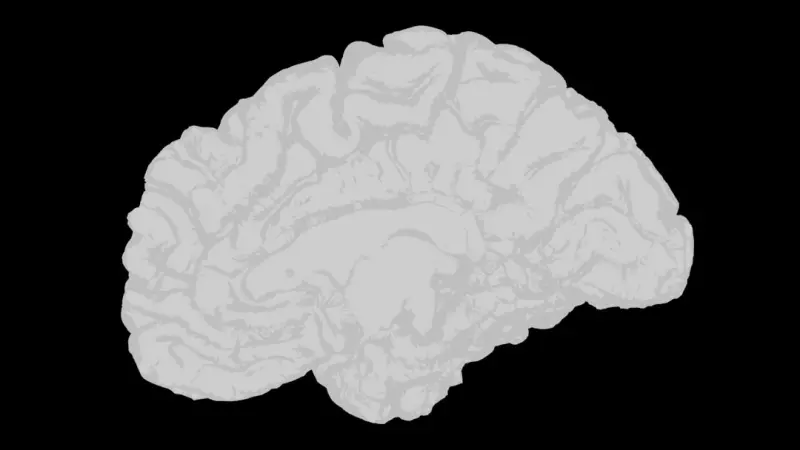
Rewilding Your Brain: How Nature Restores Cognitive Vitality
Exploring the science behind nature's impact on the brain, this article offers practical ways to int... Read More

Brain Health Mastery: A Holistic Blueprint for Sharper Thinking and Lasting Wellness
Explore a holistic roadmap to sharpen your mind—covering gut health, sleep, stress, movement, tech... Read More
Top Posts

Turn Up the Volume on Health: How Soundscapes Can Calm Your Blood Pressure
Explore the science behind soothing soundscapes, practical audio choices for each part of the day, and how wearable tech can pair with music to help lower blood...Read More

The Quiet Revolution: How Shared Stories and Digital Communities Are Redefining Cancer Support
Exploring the power of narrative medicine and modern digital communities, this piece reveals how shared stories and tech‑driven platforms are reshaping suppor...Read More

Breathing Out the Toxins: A Fresh Take on Body Detox
Explore a unique detox approach that leverages deep breathing techniques, environmental tweaks, and supportive nutrition to enhance toxin elimination and improv...Read More

The Modern Man’s Blueprint: Holistic Health Strategies That Actually Work
Paul Gray shares a realistic, data‑driven holistic health blueprint for men, covering nutrition, movement, detox, and mental resilience to boost performance a...Read More
0 Comments
Post Comment
You will need to Login or Register to comment on this post!