
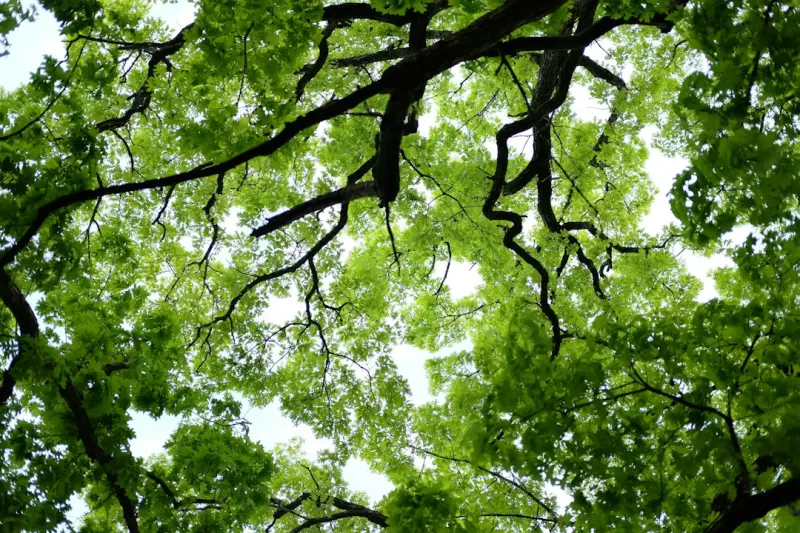
Finding Calm in the Canopy: How Forest Bathing Revitalizes Senior Health
When I first heard the Japanese term shinrin-yoku—literally “forest bathing”—I imagined a spa‑like ritual involving scented candles and soft music. What I discovered was far richer: a science‑backed practice that invites us to step outside, breathe deeply, and let the forest’s subtle symphony soothe our bodies and minds. For seniors, whose bodies have accumulated decades of stress, stiffness, and routine, this natural immersion can become a gentle, daily prescription for vitality.
Why Nature Matters More Than Ever in Later Life
Modern life has turned us into indoor dwellers. Even the most active retirees often spend their days seated in climate‑controlled homes, scrolling through screens or watching television. This sedentary pattern can accelerate muscle loss, impair balance, and dull the senses. Research now shows that regular exposure to green spaces can:
- Reduce inflammatory markers that contribute to arthritis and heart disease.
- Lower cortisol levels, the hormone that fuels chronic stress.
- Boost natural killer cell activity, strengthening the immune response.
- Enhance mood and cognitive function, thanks to the influx of phytoncides—volatile compounds released by trees.
These benefits are not just theoretical. Studies involving older adults have reported measurable improvements in blood pressure, sleep quality, and even gait stability after just a few weekly forest walks.
Getting Started: A Step‑by‑Step Guide for Seniors
You don’t need a mountaineering expedition to reap the rewards. Here’s a practical roadmap that respects the physical limits and safety concerns of senior participants.
- Choose Accessible Green Spaces – Look for local parks, arboretums, or community gardens with paved paths. Even a modest 0.5‑mile loop can be sufficient.
- Dress for Comfort – Wear moisture‑wicking layers, supportive shoes with good traction, and a hat or sunglasses for sun protection.
- Set an Intentional Pace – Walk at a speed that allows you to converse comfortably. The goal is to move, not to race.
- Engage All Senses – Notice the rustle of leaves, the scent of pine, the texture of bark, and the chorus of birds. This mindful engagement deepens the therapeutic effect.
- Incorporate Gentle Stretching – Pause at a bench or a clearing to perform shoulder rolls, ankle circles, or seated leg lifts. This keeps joints supple.
- Stay Hydrated and Safe – Carry a water bottle, use a walking stick if needed, and let someone know your route and expected return time.
Consistency is key. Aim for three sessions per week, each lasting 20‑30 minutes. Over time, you’ll notice subtle shifts: a lighter step, clearer thoughts, and a more relaxed demeanor.
Integrating Forest Bathing with Everyday Routines
For many seniors, the idea of carving out extra time feels daunting. The beauty of forest bathing is its flexibility. Here are three ways to weave it into daily life without overhauling your schedule.
Morning “Sunrise Stroll”
Begin the day with a brief walk at sunrise. The cool air and gentle light stimulate melatonin production, setting the stage for a restorative night’s sleep. Pair this with a light breakfast rich in antioxidants—berries, nuts, or a slice of whole‑grain toast.
Lunchtime “Green Break”
If you live near a garden or park, use your lunch hour for a quick immersion. Even a 10‑minute pause to sit on a bench, close your eyes, and listen to the wind can lower post‑meal blood glucose spikes.
Evening “Twilight Walk”
As the sun dips, the forest’s colors shift, and a gentle coolness settles in. An evening stroll can serve as a natural wind‑down, reducing the reliance on electronic screens before bedtime.
Beyond the Trees: Sensory Gardens as an Extension of Forest Bathing
Not everyone has easy access to expansive woodlands, especially those living in urban apartments or assisted‑living communities. Sensory gardens—a curated collection of plants designed to stimulate sight, smell, touch, and sound—offer a compact, yet equally potent, alternative.
When designing a senior‑friendly sensory garden, consider the following:
- Low‑Maintenance Plants – Lavender, rosemary, and sage provide fragrant aromas without demanding intensive care.
- Varied Textures – Include velvety lamb’s ear, smooth stones, and soft grasses for tactile exploration.
- Seasonal Color – Choose perennials that bloom at different times to ensure visual interest year‑round.
- Accessible Pathways – Use wide, non‑slippery surfaces and gentle grades for wheelchair or walker accessibility.
Research indicates that even brief interactions with fragrant plants can lower heart rate and improve mood, mirroring many of the benefits observed in full‑scale forest environments.
Connecting Nature to the Gut: The Role of a Healthy Digestive Ecosystem
One often overlooked link between outdoor immersion and senior health is the gut microbiome. Exposure to diverse environmental microbes—found in soil, leaf litter, and even airborne pollen—can enrich the diversity of gut bacteria. A richer microbial community supports digestion, immune function, and even mental health.
To learn more about how your digestive ecosystem can become a strategic asset, explore the hidden power of your digestive ecosystem. The article offers practical tips on nourishing beneficial microbes through diet, probiotic foods, and mindful exposure to nature.
Social Synergy: Pairing Forest Bathing with Community Rhythm
While forest bathing is often described as a solitary practice, it can also serve as a catalyst for social connection. Forming a “nature walking club” with neighbors or fellow residents creates a supportive environment where participants encourage each other, share observations, and celebrate milestones.
For those who enjoy rhythm and music, consider integrating gentle drumming or a portable speaker playing soft instrumentals during walks. The subtle beat can enhance coordination and provide a shared auditory anchor, fostering a sense of unity without overshadowing the natural sounds.
Technology as a Gentle Companion, Not a Distraction
Modern devices can augment, not replace, the forest experience. A simple fitness tracker can monitor steps, heart rate, and even ambient temperature, offering tangible feedback on progress. However, the key is to keep technology minimal—perhaps using a watch only for heart‑rate trends and then turning it off to fully engage with the surroundings.
If you’re interested in how rhythmic activities influence senior health, you might enjoy reading why a beat a day keeps the doctor away for seniors. While the piece focuses on music, it underscores the broader principle that intentional auditory patterns can bolster cardiovascular and mental resilience.
Addressing Common Concerns
Safety: Always walk with a companion or inform a family member of your route. Carry a small first‑aid kit and a fully charged cell phone.
Physical Limitations: If joint pain or balance issues are present, opt for flat, well‑maintained paths and consider using a walking frame. Shorter, more frequent sessions can be just as effective as longer ones.
Allergies: Choose times of day when pollen counts are lower (early morning or after a light rain). If sensitivities are severe, a sensory garden with low‑pollen plants can be a safe alternative.
Measuring Success: Simple Metrics to Track Progress
To stay motivated, consider tracking the following:
- Step Count – Aim for a gradual increase of 500 steps per week.
- Blood Pressure – Record readings before and after weekly walks; many seniors notice a modest reduction.
- Mood Rating – Use a 1‑10 scale each evening to capture emotional shifts.
- Sleep Quality – Note bedtime, wake‑time, and perceived restfulness; forest immersion often improves sleep continuity.
Over a 12‑week period, most participants report measurable improvements across at least two of these markers.
Conclusion: A Gentle Revolution for Senior Well‑Being
Forest bathing and sensory gardening present an elegant, low‑cost, and deeply restorative pathway to better health for seniors. By embracing the sights, sounds, and scents of the natural world, older adults can nurture their bodies, calm their minds, and foster social bonds—all without the need for expensive equipment or intense regimens.
Whether you wander through a nearby park, tend a balcony garden, or join a community walking group, the invitation is simple: step outside, breathe deeply, and let nature’s quiet wisdom guide you toward a more vibrant, resilient life.

Related Posts

The Hidden Power of Music and Tech Mentorship for Senior Wellness
A fresh look at senior health: pairing music therapy with tech mentorship to sharpen minds, lift spi... Read More

Holistic Health Secrets for Seniors: A Personal Journey to Vibrant Aging
A personal guide to thriving in senior years through holistic nutrition, gentle exercise, and purpos... Read More

Cultivating Digital Resilience: How Seniors Can Harness Technology for Longevity
A fresh look at how older adults can turn tech tools into allies for healthier, more connected lives... Read More
Top Posts
Nutrient Synergy: Pairing Foods for Maximum Absorption and Performance
Learn to harness nutrient synergy by pairing foods for optimal absorption, creating meal templates that support focus, recovery, and overall health....Read More

Micro‑Movement Integration: The Quiet Catalyst for High‑Performance Brainpower
Discover a practical, science‑backed approach to embedding micro‑movement breaks into your workday, unlocking sharper cognition and lasting resilience witho...Read More
Chrono‑Nutrition: Aligning Meals with Your Body Clock for Healthy Aging
Chrono‑nutrition syncs meal timing with your internal clock, enhancing metabolism, reducing inflammation, and supporting brain and muscle health for a more vi...Read More

Micro‑Volunteering: Tiny Service, Big Senior Health Boost
Micro‑volunteering transforms senior health by pairing brief, purposeful tasks with social connection, boosting cognition, mobility, and emotional well‑bein...Read More
0 Comments
Post Comment
You will need to Login or Register to comment on this post!