
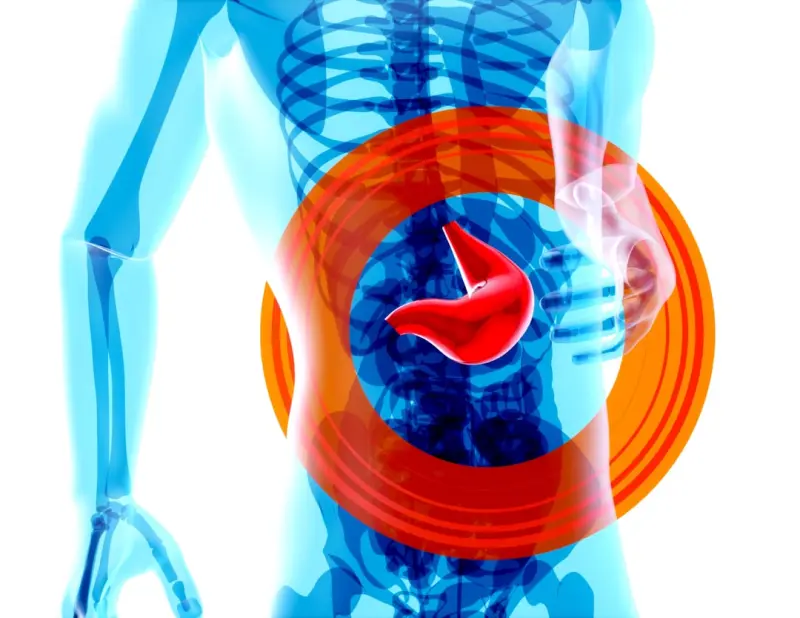
Why the Liver Deserves a Seat at the Executive Table
When most high‑performers talk about “optimizing the system,” the conversation revolves around sleep hacks, glucose management, or the latest productivity tool. The liver—our body’s metabolic command center—rarely makes the agenda, even though it silently dictates how efficiently we turn food into fuel, detoxify stressors, and synthesize the proteins that keep us sharp.
Imagine a high‑speed train that can’t clear the tracks of debris; it will sputter, lose speed, and eventually stall. That debris is the cumulative load of processed foods, alcohol, environmental toxins, and even chronic stress. The liver is the track‑clearing crew. When it’s running at peak efficiency, you experience sustained focus, steadier energy, and a quicker recovery from mental or physical strain. When it’s overtaxed, you’ll notice brain‑fog, sluggish afternoons, and a dip in creative output.
In this post I’ll share the science‑backed, actionable steps I use to keep my liver humming—steps that fit seamlessly into a busy professional’s schedule. You’ll also see how these tactics intersect with other performance pillars, like glucose regulation and gut health, by checking out related insights such as Turning Blood Sugar Into a Strategic Asset for High‑Performers and Fermented Office Snacks: Boost Gut Health & Team Performance.
The Liver’s Three‑Phase Playbook
To respect the organ’s complexity, I break liver optimization into three phases: Fuel Processing, Detoxification, and Regenerative Support. Each phase has a handful of levers you can pull without overhauling your entire lifestyle.
- Fuel Processing: How the liver converts carbs, fats, and proteins into usable energy and storage.
- Detoxification: The enzymatic pathways (Phase I & II) that neutralize chemicals, hormones, and metabolic by‑products.
- Regenerative Support: The liver’s remarkable ability to repair itself, driven by growth factors, nutrients, and circadian rhythms.
Phase 1: Fuel Processing – Mastering the Energy Flow
The liver is the first major organ that encounters nutrients after they leave the stomach. It decides whether carbs become glycogen, fats become triglycerides, or amino acids become plasma proteins. Missteps here manifest as “energy crashes” or “mid‑day slumps.”
1. Embrace Time‑Restricted Eating (TRE)
Research shows that a 10‑12‑hour eating window aligns liver metabolism with the body’s natural circadian rhythm, improving insulin sensitivity and reducing hepatic fat accumulation. For a busy professional, simply delaying breakfast by an hour and finishing dinner before 8 p.m. can create a fasting window that gives the liver a nightly “reset” period.
2. Prioritize Low‑Glycemic Carbohydrates
High‑glycemic spikes force the liver to work overtime converting excess glucose into fat—a process called de novo lipogenesis. Opt for foods that release glucose slowly: steel‑cut oats, quinoa, and berries. Pair carbs with protein or healthy fat to blunt the spike and give the liver a smoother workload.
3. Balance Omega‑3 to Omega‑6 Ratios
Omega‑3 fatty acids (found in fatty fish, chia seeds, and walnuts) reduce inflammation in hepatic cells and promote the export of triglycerides. In contrast, excess omega‑6 (common in processed vegetable oils) can fuel inflammatory pathways. Aim for a 1:2 or 1:3 omega‑3:omega‑6 ratio to keep the liver’s internal environment calm.
Phase 2: Detoxification – Keeping the Internal Highway Clear
Detox isn’t a mystical cleanse; it’s a series of enzymatic reactions that the liver performs daily. When these pathways are overwhelmed, toxic metabolites linger, contributing to fatigue, skin issues, and reduced mental clarity.
1. Boost Phase II Conjugation with Cruciferous Vegetables
Broccoli, Brussels sprouts, and kale contain sulforaphane, a compound that upregulates glutathione‑S‑transferase—an enzyme crucial for Phase II detox. A simple side of roasted broccoli three times a week can substantially increase the liver’s capacity to bind and excrete toxins.
2. Support Glutathione Production
Glutathione is the liver’s master antioxidant. Its synthesis hinges on three amino acids: cysteine, glycine, and glutamate. Include sulfur‑rich foods (garlic, onions, and eggs) and consider a modest N‑acetyl‑cysteine (NAC) supplement if you’re under high oxidative stress (e.g., frequent travel, late‑night work sessions).
3. Hydration & Micronutrient Timing
Water is the carrier for soluble waste. Aim for at least 2 L of pure water daily, and sprinkle a pinch of sea salt or a magnesium‑rich electrolyte drink during the early afternoon—this supports bile flow, the liver’s primary excretory route for fat‑soluble toxins.
Phase 3: Regenerative Support – Harnessing the Liver’s Healing Power
The liver can regenerate up to 70 % of its mass after injury, but it needs the right building blocks and signals to do so efficiently.
1. Intermittent “Micro‑Fast” Days
Beyond daily TRE, occasional 24‑hour fasts (once a month) trigger autophagy—a cellular recycling process that clears damaged proteins in hepatocytes. The key is to stay hydrated and avoid intense workouts on those days; gentle walking or stretching is ideal.
2. Nutrient‑Dense “Liver‑Boost” Snacks
Swap the usual office granola bar for a combination of beetroot chips, a handful of pistachios, and a drizzle of olive oil. Beetroot contains betaine, a methyl donor that supports homocysteine metabolism and liver cell membrane integrity. Pistachios provide healthy fats and vitamin B6, further aiding enzymatic pathways.
3. Light Exposure & Sleep Synchrony
The liver’s detox enzymes follow a circadian rhythm, peaking during the night. Consistent sleep schedules (7‑8 hours, lights out by 10 p.m.) and morning sunlight exposure synchronize the master clock in the suprachiasmatic nucleus, ensuring the liver’s “night shift” runs smoothly.
Integrating Liver Health with Overall Performance Strategies
Now that we’ve covered the three phases, let’s connect the dots to broader performance tactics you might already be using.
Linking Liver Fuel Processing to Glucose Strategy
If you’ve read Turning Blood Sugar Into a Strategic Asset for High‑Performers, you know that stable blood glucose fuels focus. The liver is the primary regulator of that stability—by storing glycogen and releasing it slowly, it prevents the spikes and crashes that sabotage concentration. Pairing TRE with low‑glycemic carbs amplifies the benefits you already see from glucose‑focused protocols.
Gut‑Liver Axis: A Two‑Way Street
Our gut microbiome produces metabolites that the liver must process, while the liver secretes bile that shapes the gut’s bacterial composition. A healthy gut therefore reduces the liver’s detox load. That’s why Fermented Office Snacks: Boost Gut Health & Team Performance is more than a snack idea—it’s a liver‑friendly strategy. Incorporating kefir, sauerkraut, or miso into your lunch not only enriches beneficial bacteria but also supplies short‑chain fatty acids that signal the liver to enhance bile flow.
Stress Management & Hormonal Balance
Chronic cortisol spikes drive gluconeogenesis in the liver, diverting amino acids away from muscle repair and toward glucose production. Mind‑body practices (brief meditation, deep‑breathing pauses, or a 5‑minute nature view) can blunt cortisol, letting the liver focus on its regenerative tasks rather than emergency glucose manufacturing.
Putting It All Together: A 7‑Day Action Plan
Below is a practical, week‑long roadmap that blends the above tactics. Adjust the timing to fit your calendar, but aim to keep the core principles intact.
- Day 1 – Set Your Eating Window: Choose a 10‑hour window (e.g., 9 a.m.–7 p.m.). Log meals in a simple spreadsheet.
- Day 2 – Add a Cruciferous Side: Roast a batch of broccoli with olive oil and sea salt; portion for the next three evenings.
- Day 3 – Hydration Boost: Begin each morning with 300 ml of warm water plus a pinch of pink Himalayan salt.
- Day 4 – Micro‑Fast Evening: After your last meal, fast until the next morning. Use this time for light stretching.
- Day 5 – Fermented Snack: Replace the afternoon cookie with a small cup of kefir or a handful of kimchi.
- Day 6 – Light Exposure: Spend 15 minutes outdoors within an hour of waking. No screens during this time.
- Day 7 – Reflect & Adjust: Review your energy logs, note any improvements in focus or mood, and refine your window or food choices for the next cycle.
After a few cycles, you’ll likely notice less afternoon fatigue, clearer mental bandwidth, and a more consistent mood—signs that your liver is operating as the high‑performing engine it was designed to be.
Common Myths About Liver Health—Debunked
- Myth: “Detox teas cleanse the liver.”
Reality: Most teas lack the nutrients needed for Phase II conjugation and may even contain laxatives that strain the gut‑liver axis. - Myth: “Only alcohol damages the liver.”
Reality: Processed sugars, excessive saturated fat, and chronic stress are equally culpable in hepatic steatosis (fatty liver). - Myth: “You need expensive supplements for liver support.”
Reality: Whole foods—especially cruciferous veg, omega‑3 sources, and sulfur‑rich items—provide the necessary compounds at a fraction of the cost.
Future‑Facing Technologies: Monitoring Liver Health in Real Time
While this post focuses on lifestyle, emerging wearable tech now offers non‑invasive liver function insights (e.g., infrared spectroscopy patches that track bilirubin and hepatic oxygenation). Pairing these data streams with the strategies above can create a feedback loop, allowing you to fine‑tune nutrition and stress‑management on the fly.
Final Thoughts: Make the Liver Your Competitive Edge
High‑performers obsess over visible metrics—emails sent, deals closed, code deployed. The liver, however, works behind the scenes, converting those metrics into sustained energy and cognitive stamina. By treating liver health as a core pillar of performance—through timing, nutrition, detox support, and regenerative practices—you unlock a quiet, powerful advantage that compounds day after day.
Start with one change this week. Observe the shift in your focus, endurance, and overall well‑being. The liver will thank you, and your results will speak for themselves.

Kelly Reynolds is a dynamic freelance writer hailing from the picturesque landscapes of Alberta. A master of the written word, she juggles her passion for storytelling with the exhilarating chaos of being a mother to five spirited children. With an impressive portfolio that spans various genres, Kelly captivates readers through her engaging blog posts and thought-provoking articles.
Related Posts
Night‑Shift Nutrition: Aligning Your Lifestyle with the Liver’s Natural Clock
Discover practical lifestyle tweaks—early evenings, screen curfews, targeted nutrition, and mindfu... Read More

Revitalizing Your Liver: Everyday Strategies for a Resilient Organ
Explore easy, science‑backed habits that boost liver function, including diet swaps, stress‑redu... Read More

Why a Healthy Liver Is the Secret Weapon for Mental Sharpness
Explore the powerful liver‑brain connection, learn why liver health matters for mental clarity, an... Read More
Top Posts

Paula Wright’s Holistic Blueprint for a Sharper, Healthier Brain
Paula Wright shares her holistic roadmap to sharper thinking, blending blood pressure control, liver wellness, nutrient‑dense foods, movement, sleep hygiene, ...Read More

Reboot Your System: A Fresh Blueprint for Body Detox
A new detox strategy that moves beyond juice cleanses, focusing on kinetic cleansing, respiratory reset, and chronobiology alignment to support the body’s nat...Read More

Finding Rest in the Chaos: My Holistic Journey with Insomnia
A personal, holistic guide to overcoming insomnia—combining gut health, mindful exercise, and brain‑care strategies for peaceful nights....Read More
Flavor Architecture: Nutrition That Trains Your Brain
Discover the concept of flavor architecture—using color, texture, and aroma to design meals that not only nourish the body but also train the brain for sharpe...Read More
0 Comments
Post Comment
You will need to Login or Register to comment on this post!