
Why Light Matters More Than We Thought
When I first started digging into the science of cancer, I expected to find the usual suspects: genetics, smoking, diet, and a handful of obscure chemicals. What kept popping up, however, was a less obvious player—ambient light. Not the bright glare of a computer screen, but the subtle, rhythmic cues of daylight and darkness that sync our internal clocks. This data-driven health strategies approach is reshaping how we think about cancer prevention, moving the conversation from isolated risk factors to the orchestration of our entire biological environment.
The Circadian Symphony Inside Every Cell
Every cell in our body runs on a circadian rhythm, a roughly 24‑hour cycle governed by a master clock in the brain’s suprachiasmatic nucleus (SCN). This master clock receives light signals through the eyes and translates them into hormonal and metabolic cues that ripple through every tissue. When the rhythm is in harmony, cells repair DNA efficiently, regulate metabolism, and keep uncontrolled division in check. Disrupt that rhythm, and you create a fertile ground for mutagenesis and tumor growth.
Research has shown that people who work night shifts, travel across time zones frequently, or spend excessive time under artificial lighting have a higher incidence of breast, colorectal, and prostate cancers. The mechanism isn’t mystical—it's rooted in the molecular clock genes (CLOCK, BMAL1, PER, CRY) that directly influence cell‑cycle checkpoints and apoptosis pathways. When those genes are out of sync, the surveillance system that catches rogue cells falters.
From Lab Bench to Living Room: Real‑World Evidence
Large cohort studies tracking millions of individuals have started to map light exposure patterns against cancer outcomes. One striking finding is that people who sleep in completely dark rooms—eliminating even low‑level streetlight—display a measurable reduction in circulating melatonin suppression. Melatonin isn’t just a sleep hormone; it acts as a potent antioxidant and inhibitor of estrogen‑driven tumor pathways.
In a recent clinical trial, participants who wore blue‑light‑filtering glasses after sunset for six weeks showed a 15% decrease in markers of oxidative stress. While the study wasn’t designed to prove cancer prevention outright, it highlights how modest environmental tweaks can shift biochemical landscapes in a protective direction.
Practical Steps to Realign Your Light Landscape
- Morning Sunlight Boost: Aim for 20–30 minutes of natural light within the first hour of waking. This exposure anchors the SCN, sharpening the timing of downstream hormone release.
- Evening Dim‑Down: Switch to warm, low‑intensity lighting after sunset. Consider smart bulbs that automatically dim and shift to amber tones as the night approaches.
- Screen Hygiene: Use blue‑light filters on phones, tablets, and computers after 8 pm. Even a small reduction in short‑wavelength light can preserve melatonin production.
- Bedroom Darkness: Invest in blackout curtains or a sleep mask to ensure total darkness throughout the night. Even faint light leaks can disrupt the melatonin surge.
- Consistent Sleep Schedule: Go to bed and wake up at the same time every day, even on weekends. Consistency reinforces the circadian rhythm and stabilizes metabolic hormones.
These habits may feel like tiny adjustments, but they act like micro‑tuning of an orchestra. The cumulative effect can be substantial, especially when paired with other lifestyle choices.
Nutrition, Light, and the Cancer Connection
Light doesn’t operate in isolation. The foods we eat interact with our circadian system, influencing how effectively cells use nutrients for repair and growth. For instance, consuming a protein‑rich breakfast aligns with the peak activity of the enzyme pathways that process amino acids, while heavy meals late at night can throw off insulin rhythms and promote inflammation.
Adopting a precision nutrition framework that respects time of day can amplify the protective benefits of a well‑aligned light schedule. Think of it as feeding your cells when they are most receptive, rather than when it’s convenient for you.
The Role of Tiny Habit Interventions
Implementing these changes doesn’t require a wholesale lifestyle overhaul. Small, repeatable actions—what some call “tiny habit interventions”—can embed healthier light exposure patterns into daily life. For example, placing a small plant on your bedside table that requires a brief morning watering ritual not only adds a splash of green but also forces you to step into natural light first thing.
Similarly, setting a phone reminder to dim screens at a specific hour creates a cue‑action loop that gradually becomes automatic. These tiny habit interventions are the unsung heroes of sustainable health change, especially when the goal is long‑term cancer risk reduction.
Beyond Prevention: Light‑Guided Adjunct Therapies
Interestingly, the therapeutic potential of light extends into cancer treatment itself. Photodynamic therapy (PDT) uses light‑activated compounds to target tumor cells selectively. While PDT is already an established option for certain skin and lung cancers, emerging research suggests that timed light exposure may enhance the efficacy of immunotherapies by modulating immune cell trafficking.
Clinical trials are exploring whether aligning chemotherapy infusion times with the patient’s circadian phase can reduce side‑effects and improve tumor response. Early results hint at a future where oncologists prescribe not just drugs, but also “light schedules” as part of a comprehensive treatment plan.
Addressing Skepticism and Common Misconceptions
It’s natural to question whether something as seemingly trivial as light exposure can really influence cancer risk. The skepticism often stems from two misconceptions:
- “I’m not a night‑shift worker, so it doesn’t apply to me.” Even standard office workers experience “social jetlag” by staying up late on weekends and sleeping in. This irregularity can be just as disruptive as shift work.
- “I already take supplements; that’s enough.” Supplements can support antioxidant defenses, but they don’t replace the upstream regulation that circadian alignment provides. Think of supplements as a safety net, not the foundation.
Understanding that circadian health is a continuum—where small improvements matter—helps dissolve the all‑or‑nothing mindset.
Building a Community of Light‑Savvy Cancer Advocates
One of the most powerful ways to sustain these changes is through community. When friends, families, or workplace teams commit to shared light‑friendly habits, accountability rises and the collective benefit multiplies. Organizing “Morning Light Walks” or “Evening Screen‑Free Hours” can turn personal health actions into cultural norms.
Online platforms now host groups dedicated to “circadian wellness,” where members exchange tips, track sleep‑light logs, and celebrate milestones. Engaging with such communities not only reinforces personal habits but also spreads awareness, creating a ripple effect that can ultimately shift public health narratives around cancer.
Future Directions: Integrating Light Metrics into Health Tech
As wearable technology becomes more sophisticated, we’re likely to see devices that not only monitor activity and heart rate but also quantify light exposure in real time. Imagine a smartwatch that alerts you when your cumulative blue‑light dose exceeds a personalized threshold, prompting you to switch to amber lighting or take a short walk outdoors.
When combined with AI‑driven risk models, these metrics could flag individuals at higher cancer risk due to chronic circadian disruption, prompting early screening or targeted lifestyle counseling. The convergence of data science, sensor tech, and chronobiology promises a new frontier in proactive cancer prevention.
Takeaway: Light as a Simple, Scalable Cancer‑Control Tool
In the grand tapestry of cancer research, light may seem like a modest thread, but it weaves through genetics, metabolism, immunity, and behavior. By consciously shaping our light environment—through morning sunshine, evening dimming, mindful screen use, and consistent sleep—we can reinforce the cellular clocks that keep tumor formation at bay.
Whether you’re a busy professional, a parent juggling schedules, or a health‑tech enthusiast, the steps outlined here are low‑cost, evidence‑backed, and adaptable. Embrace the rhythm, and you’ll find that protecting yourself from cancer can be as natural as watching the sunrise.

Craig Brett is a freelancer with a passion for the outdoors. His love for nature inspires his work, bringing authentic and engaging perspectives to projects related to outdoor activities, adventure, and environmental topics.
Related Posts

Transforming Cancer Into Narrative: A Personal Blueprint for Healing Through Story
A cancer diagnosis can feel like a dead end, but by turning the experience into a personal story, yo... Read More
The Healing Power of Personal Narrative in Cancer Journeys
Discover how turning cancer experiences into personal narratives can empower patients, enhance emoti... Read More

The Unseen Battle: Cancer's Impact on Mental Health
Cancer's impact on mental health is a complex and multifaceted issue, affecting patients and loved o... Read More
Top Posts

Fascia First: Unlocking Hidden Mobility for Desk‑Bound Professionals
Fascia, the connective tissue web, often gets ignored in workplace wellness. This article explains its impact on performance and offers practical mobility burst...Read More
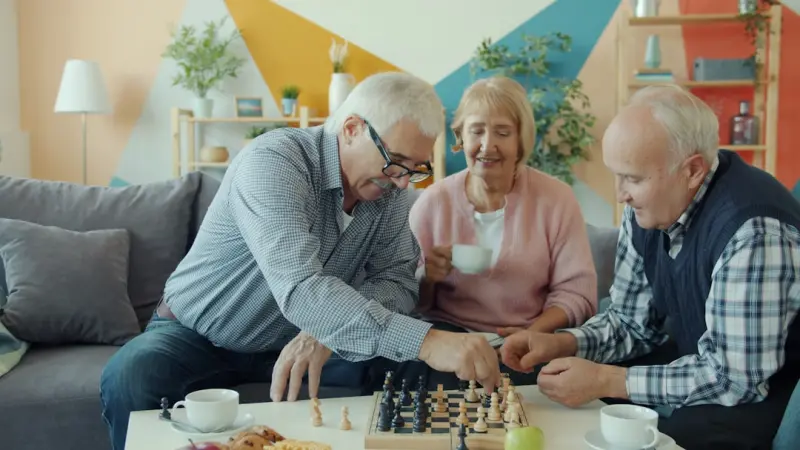
Playful Aging: Games, Hobbies, and Curiosity for a Vibrant Later Life
Discover why intentional play—board games, creative pursuits, and light physical activities—can rewire the aging brain, reduce loneliness, and enhance overa...Read More

Micro‑Timing and Micro‑Diversity: A New Blueprint for Everyday Nutrition
Discover a practical nutrition framework that aligns meals with your body’s clock and introduces diverse phytochemicals, helping you achieve steadier energy, ...Read More

The Unexpected Power of Financial Planning During Pregnancy
A proactive approach to money management can calm pregnancy stress, improve nutrition choices, support gut health, and strengthen relationships—turning financ...Read More
0 Comments
Post Comment
You will need to Login or Register to comment on this post!