
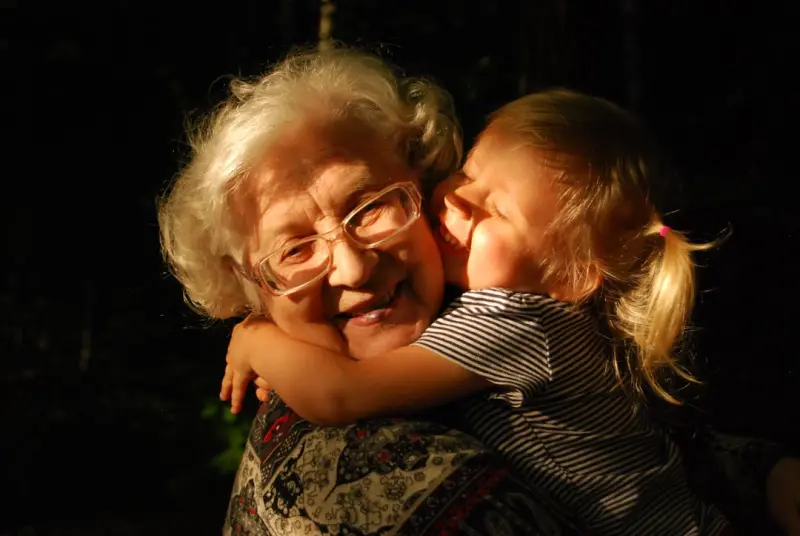
When I first sat down to interview a group of retirees at a community center, I expected the conversation to orbit around medication schedules, doctor appointments, or the latest garden‑to‑table recipes. Instead, the room buzzed with stories about grandchildren’s school projects, neighborhood kids teaching seniors how to use a tablet, and impromptu karaoke sessions that left everyone breathless with laughter. Those moments illuminated a truth that’s been quietly humming under the surface of senior health research: intergenerational connection isn’t just a feel‑good add‑on—it’s a potent, science‑backed catalyst for physical, mental, and emotional well‑being.
The Biological Ripple Effect of Meaningful Relationships
It’s easy to think of health as a checklist of labs, vitals, and exercise minutes. Yet, a growing body of research shows that our social fabric weaves directly into our physiological makeup. When seniors engage regularly with younger family members or community youth, several measurable benefits emerge:
- Reduced Inflammatory Markers: Positive social interaction triggers the release of oxytocin, a hormone that tempers cortisol and dampens chronic inflammation—one of the hidden drivers behind arthritis, cardiovascular disease, and even cognitive decline.
- Enhanced Neuroplasticity: Learning a new game, teaching a skill, or simply sharing a story stimulates neural pathways, keeping the brain agile. This aligns with insights from lifelong learning benefits for seniors, underscoring that novelty—not just age—fuels cognitive resilience.
- Improved Cardiovascular Health: Light physical activity that often accompanies intergenerational play—think a game of tag, a walk to the park, or dancing to a favorite tune—raises heart rate modestly, supporting vascular elasticity without the strain of a formal workout.
In other words, a simple story swap can lower blood pressure, and a shared garden project can boost immune function. The mechanisms are complex, but the takeaway is simple: connection equals health.
Why Grandparenting Is More Than a Role—It’s a Prescription
Grandparenting occupies a unique niche. It blends mentorship, caregiving, and companionship, creating a multi‑dimensional relationship that hits several health targets simultaneously.
Purpose and Identity. Many seniors report a renewed sense of purpose after becoming grandparents. This shift combats the “empty‑nest” syndrome and provides a clear, emotionally rewarding goal: being a reliable source of love, wisdom, and stability for the next generation.
Physical Activity. The act of lifting a toddler, playing a backyard game, or guiding a child through a DIY craft often involves bending, reaching, and light cardio. These movements are perfect examples of playful fitness ideas that feel less like exercise and more like fun.
Mental Stimulation. Explaining a crossword clue, showing a child how to set a table, or sharing a family recipe demands mental agility, language skills, and memory recall—all of which reinforce cognitive health.
Emotional Regulation. The unconditional love exchanged between seniors and grandchildren can buffer stress. Studies reveal that older adults who report strong intergenerational bonds have lower rates of depression and anxiety.
Designing Intergenerational Moments—A Practical Playbook
Turning the abstract benefits of connection into everyday reality doesn’t require a grand overhaul of one’s routine. Below are actionable strategies that seniors (and their families) can adopt to weave younger voices into daily life.
1. Schedule “Micro‑Mentor” Sessions
Instead of waiting for the annual holiday visit, set a recurring weekly or bi‑weekly slot for a specific activity. It could be:
- Teaching a child to code on a simple app.
- Guiding a teenager through a home‑cooking class.
- Reading a chapter book together, then discussing the plot.
The key is consistency—regularity signals reliability, which in turn deepens emotional bonds and reinforces the routine’s health benefits.
2. Co‑Create a “Memory Garden”
Gardening is a timeless, multi‑sensory activity that appeals to all ages. Invite grandchildren to pick a plant, name it, and watch it grow. The act of nurturing a living thing promotes mindfulness, light physical labor, and a sense of accomplishment that lasts months.
3. Leverage Technology for Shared Experiences
When distance separates families, digital tools become bridges. Set up a video call for a virtual book club, a joint puzzle session, or even a live‑streamed cooking lesson. The novelty of learning new tech also dovetails with the cognitive benefits highlighted in lifelong learning benefits for seniors.
4. Integrate “Playful Fitness” Into Family Time
Turn everyday chores into games. A quick “who can fold laundry fastest?” race, a “Simon Says” stretch session, or a backyard obstacle course can elevate heart rates while fostering laughter. These low‑impact, high‑joy activities embody the principles of playful fitness ideas—making movement feel effortless.
5. Build “Structured Day‑Offs” for Shared Rest
Just as a well‑planned workday benefits productivity, intentional downtime benefits mental clarity. Reserve a weekly “quiet hour” where seniors and kids sit together—perhaps sipping tea, listening to soft music, or practicing gentle breathing. This aligns with the concept of structured day‑offs, offering a calming reset for both parties.
Addressing Common Barriers
Even the most enthusiastic seniors may encounter obstacles when trying to cultivate intergenerational ties. Below are typical challenges and pragmatic solutions.
- Physical Limitations: If mobility is a concern, opt for seated activities—storytelling circles, board games, or simple craft projects that can be done at a table.
- Technology Hesitancy: Start with devices that have large icons and straightforward interfaces. Many community centers offer free workshops on senior-friendly tablets.
- Time Constraints for Younger Family Members: Emphasize short, high‑impact sessions (15‑20 minutes). A quick “morning coffee chat” can be more sustainable than a lengthy weekend commitment.
- Generational Gaps in Interests: Find common ground by exploring neutral topics—nature documentaries, classic movies, or cooking recipes that blend old‑world flavors with modern twists.
Real‑World Success Stories
Consider Margaret, an 78‑year‑old retired teacher who lives alone. After her granddaughter, Lily, moved across town for college, they began a weekly “Story Swap” over video chat. Margaret reads a chapter from a mystery novel; Lily shares highlights from her engineering coursework. Within months, Margaret reported sharper focus, better sleep, and a noticeable lift in mood. The reciprocal learning kept both minds engaged and forged a deeper emotional connection.
Or take Jorge, a 71‑year‑old former carpenter who now volunteers at a local youth soccer league. He leads a “Mini‑Build” session where kids construct simple wooden toys. The physical act of sanding and hammering not only maintains his hand strength but also triggers the release of dopamine—a neurotransmitter linked to pleasure and motivation. Jorge’s kids leave the field buzzing with pride, while he walks home with a sense of purpose that no gym routine could match.
Measuring the Impact—Beyond the Scale
Traditional health metrics (weight, blood pressure, cholesterol) capture only part of the story. To truly gauge the value of intergenerational connection, consider adding these qualitative and quantitative markers:
- Social Satisfaction Surveys: Simple weekly questionnaires asking seniors to rate feelings of loneliness, purpose, and joy on a 1‑10 scale.
- Activity Logs: Track minutes spent in shared activities—whether it’s a 30‑minute walk with a grandchild or a 20‑minute video call.
- Sleep Quality Charts: Note bedtime, wake‑up time, and perceived restfulness. Improved emotional well‑being often translates to better sleep patterns.
- Biomarker Checks: If feasible, periodic blood tests for inflammatory markers (CRP, IL‑6) can provide objective data on physiological changes.
Even modest improvements—a two‑point rise in social satisfaction or an extra 15 minutes of active play—can cascade into broader health gains over time.
Future Directions: Community‑Scale Intergenerational Programs
While personal initiatives are powerful, scaling these connections can amplify impact across neighborhoods. Municipalities and senior‑focused nonprofits can explore:
- Partnering schools with senior centers for “Mentor‑Mornings” where students assist seniors with technology.
- Creating intergenerational co‑housing models that embed shared communal spaces—gardens, kitchens, and recreation rooms.
- Launching grant‑funded “Story Circles” that pair elders with youth writers, culminating in a community‑published anthology.
Such programs not only foster health but also combat ageism, reinforcing the narrative that seniors are vital, contributing members of society.
Conclusion: A Simple Prescription for a Richer Life
In my years covering health trends, I’ve chased everything from cutting‑edge supplements to high‑intensity interval training. Yet, the most profound, accessible, and sustainable health strategy keeps showing up in the quiet moments between generations. Whether it’s a grandparent teaching a child to knit, a teenager showing a senior how to navigate a streaming service, or a community garden that bridges age gaps, these connections generate a ripple of physiological benefits, mental clarity, and emotional fulfillment.
If you’re a senior reading this, consider reaching out to a family member or neighbor and proposing a tiny, regular activity. If you’re a caregiver or adult child, ask your older loved one what they’d enjoy sharing—perhaps a recipe, a story, or a favorite song. And if you’re a community leader, look for ways to embed intergenerational touchpoints into existing programs.
Health isn’t just about pills and procedures; it’s about the people we share our days with. By intentionally weaving younger voices into the fabric of senior life, we create a tapestry of resilience, joy, and lasting vitality.

Related Posts
Tech-Enabled Trails: How Smart Outdoor Gear Is Redefining Senior Wellness
Smart outdoor gear transforms senior walks into safe, health‑tracking, and socially connected adve... Read More
The Intersection of Aging and Chronic Health Conditions: A Holistic Approach to Senior Health
A holistic approach to senior health involves considering the whole person - body, mind, and spirit ... Read More
The Community Cure: Intergenerational Learning for Senior Wellness
A deep dive into how intergenerational mentorship programs empower seniors with cognitive, physical,... Read More
Top Posts

Cancer at Work: Thriving After Diagnosis
A practical guide for professionals diagnosed with cancer, covering workplace accommodations, mental health tactics, and technology that help maintain career mo...Read More
Learning as Longevity: Harnessing Neuro‑Hormesis for a Healthier Future
By treating learning as a deliberate, neuro‑hormetic stressor, you can activate BDNF, improve insulin sensitivity, and reduce inflammation—key components of...Read More
Playful Curiosity: A Secret Weapon for Healthy Aging
A deep dive into the science and practical habits of playful curiosity, showing how asking “What if?” daily can sharpen memory, boost social bonds, and keep...Read More
Playful Resilience: Rewiring Your Brain with Curiosity and Micro‑Adventures
Explore a fresh mental‑health approach that leverages curiosity, micro‑adventures, and purposeful sensory breaks to reduce anxiety, boost creativity, and bu...Read More
0 Comments
Post Comment
You will need to Login or Register to comment on this post!