
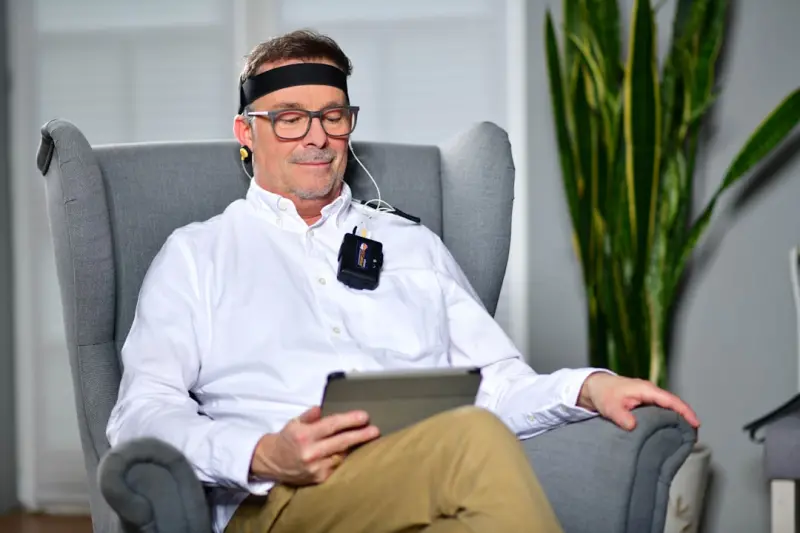
Sleep apnea isn’t just a nightly nuisance; it’s a silent architect reshaping our health, productivity, and even our relationships. As someone who has spent countless evenings troubleshooting a clunky CPAP machine, I’ve learned that the condition demands more than a one‑size‑fits‑all gadget. It calls for a holistic, data‑driven playbook that blends modern technology, simple environmental tweaks, and mindful bodywork. In this post, I’ll walk you through a fresh, three‑pronged approach to reclaiming restful nights without surrendering to the tyranny of “just wear the mask.”
1. Map Your Breath With Real‑Time Data
When I first tried a CPAP, I felt like I was handing over control of my own breathing to a noisy box. The experience was disempowering, and the data I could see on the device’s basic screen felt cryptic. Today, consumer‑grade wearables and dedicated sleep‑trackers have closed that gap. Devices that monitor oxygen saturation (SpO₂), respiratory effort, and heart‑rate variability (HRV) can export raw data to apps where you can spot patterns that a single nightly reading would hide.
Why data matters:
- Identify triggers. A spike in apnea events might coincide with a late‑night espresso, a heavy dinner, or even a stressful Zoom call that left your nervous system revved up.
- Measure progress. Switching from a nasal strip to positional therapy can feel like guesswork—until you see a 30 % drop in events over a week.
- Personalize interventions. Not every apnea episode responds to the same fix. Some nights, a simple breath‑pacing exercise before bed might be enough; other nights, a higher‑pressure setting is warranted.
Start by syncing a reliable sensor—many smart rings, chest straps, or dedicated oximeters—into a health‑dashboard platform (Apple Health, Google Fit, or a specialized sleep‑analytics app). Export the CSV file after a week, then look for correlations with lifestyle variables. If you notice that nights with elevated screen time correlate with a higher apnea index, you’ve uncovered a modifiable factor.
2. Re‑Engineer Your Sleep Environment—Beyond the Mattress
We all know a comfortable mattress and cool room temperature matter, but the micro‑environment surrounding your breathing path often gets overlooked. Below are three low‑tech, high‑impact adjustments you can make right now.
- Air Quality Matters. Indoor pollutants and allergens can inflame airway tissues, making them more prone to collapse. A small HEPA filter or an air purifier with a true carbon filter can reduce particulate matter and volatile organic compounds (VOCs). Pair this with a regular schedule of opening windows for fresh air when the outdoor pollen count is low.
- Positional Nudges. For many, apnea severity spikes when sleeping on the back. A simple, inexpensive solution is a tennis‑ball‑tied‑to‑back‑of‑pillow “positional cue.” More sophisticated options include smart positional belts that vibrate gently when you roll onto your back, prompting you to shift without waking.
- Acoustic Calm. Noise isn’t just a nuisance; it can trigger micro‑arousals that destabilize breathing rhythm. A white‑noise machine or a playlist of low‑frequency ambient sounds can mask disruptive noises and help maintain a steady respiratory pattern. If you’re a heavy sleeper, try digital detox strategies that reduce evening blue‑light exposure and calm the nervous system before you hit the pillow.
These tweaks are inexpensive, but the cumulative effect can be profound—especially when combined with the data insights you’ve gathered in the first step.
3. Leverage Biofeedback to Train Your Breathing
If you’re anything like me, the idea of “training” your breathing sounds like a wellness fad. Yet, when you pair a biofeedback loop with conscious breath work, you’re essentially giving your brain a live scoreboard on how well your airway is staying open.
Here’s a simple routine you can embed into your nightly ritual:
- Set up a biofeedback app that reads your HRV via a chest strap or finger sensor.
- Begin with a 5‑minute diaphragmatic breathing session: inhale through the nose for a count of four, allow the belly to expand, hold for two, then exhale slowly through pursed lips for a count of six.
- Observe the HRV trend on the app. A rising HRV indicates parasympathetic activation—a state conducive to stable breathing.
- Transition to the “resist‑and‑release” technique: gently close your nostrils with a finger and exhale through your mouth for three seconds, then release and inhale naturally for three seconds. Repeat for 2‑3 minutes.
- Immediately before lying down, take three slow, controlled breaths, visualizing the airway staying open, and then drift into sleep.
Practicing this routine for just ten minutes a night has been shown to lower the apnea‑hypopnea index (AHI) in mild to moderate cases. The key is consistency; the brain learns to associate the pre‑sleep breath pattern with a relaxed airway, making spontaneous collapses less likely.
4. Integrate Light, Movement, and Nutrition
While the three pillars above form the core, consider these peripheral habits that act as supporting actors.
- Morning Sunlight. Exposing yourself to natural light within the first hour of waking helps set your circadian rhythm, stabilizing the autonomic nervous system and indirectly supporting nighttime breathing patterns.
- Gentle Evening Movement. A short, low‑intensity yoga flow focused on opening the chest and throat (think cat‑cow, gentle backbends, and neck stretches) can reduce muscular tension that might otherwise constrict the airway.
- Balanced Meals. Heavy, fatty meals close to bedtime can increase reflux, which irritates the airway. Aim for a light protein‑rich snack (Greek yogurt, a handful of nuts) at least two hours before sleep.
5. When to Call in the Professionals
DIY strategies work wonders for many, but they’re not a universal cure. If you notice any of the following, it’s time to bring a sleep specialist into the conversation:
- Persistent daytime fatigue despite lifestyle tweaks.
- Loud, chronic snoring that disturbs partners.
- Observed pauses in breathing lasting more than ten seconds.
- Elevated blood pressure that doesn’t respond to conventional treatment.
Professional evaluation might include a home sleep apnea test (HSAT) or an in‑lab polysomnography. These studies can reveal the exact type of apnea—obstructive, central, or mixed—guiding a more precise treatment plan.
6. A Real‑World Success Snapshot
Take Maya, a 38‑year‑old project manager who spent months battling morning grogginess. Her CPAP felt intrusive, and she dreaded the nightly setup. After logging her SpO₂ data for two weeks, she discovered a spike in events after her nightly habit of scrolling through emails in bed. By instituting a digital wind‑down (no screens after 9 pm), adding a positional pillow, and practicing the biofeedback breathing routine, her AHI dropped from 18 to 7 in just one month—allowing her to wean off the CPAP under physician guidance.
Maya’s story underscores the power of a data‑first, habit‑second strategy. When you understand the “why” behind each apnea event, you can target the “how” with precision.
7. Building Your Personalized Sleep Apnea Playbook
Here’s a quick checklist to turn the concepts above into an actionable plan:
- Gather baseline data. Use a wearable to record SpO₂, HRV, and sleep stages for at least seven nights.
- Identify patterns. Note any correlations with diet, screen time, or positional changes.
- Implement environmental tweaks. Upgrade air quality, adjust sleeping position, and curate a calming soundscape.
- Start a nightly biofeedback breath routine. Track HRV trends to gauge effectiveness.
- Integrate supporting habits. Light exposure, gentle movement, and smart nutrition.
- Reassess after 30 days. Compare new data to baseline; adjust as needed.
- Seek professional guidance. If metrics haven’t improved, schedule a sleep study.
Remember, the goal isn’t to “fix” sleep apnea in one night. It’s to build a resilient system where technology, environment, and body intelligence work together, giving you back the restorative sleep you deserve.
If you’ve tried the above and still feel stuck, consider joining an online community of sleep‑apnea peers. Sharing data, challenges, and wins can provide the accountability and fresh ideas you need to keep progressing.
Sleep is the ultimate performance enhancer—when it’s disrupted, every facet of life feels the ripple. By embracing a data‑driven, biofeedback‑infused, and environment‑optimized strategy, you can transform your nights from a battleground into a sanctuary.

Sarah Gray is a proud Canadian who calls Brampton home, where she lives with her husband, Paul. A passionate home cook and gifted storyteller, Sarah loves creating delicious recipes and sharing stories inspired by everyday life, family, and cherished experiences. When she isn't experimenting in the kitchen, she's busy crafting engaging content that reflects her warmth, creativity, and love of connection. Above all, Sarah treasures time spent with her grandchildren, embracing every opportunity to create lasting memories with the people she loves most.
Related Posts
The Remote Work Paradox: When Home Offices Fuel Sleep Apnea
This post uncovers why home office setups often aggravate sleep apnea, offers data‑driven warning ... Read More

The Silent Partner in Your Day: Decoding Sleep Apnea for Busy Professionals
Sleep apnea silently undermines focus, health, and workplace performance. This article uncovers its ... Read More
How Sleep Apnea Shapes Your Day: From Boardroom to Bedroom
Sleep apnea isn’t just a nighttime problem—it seeps into work, travel, and relationships. This a... Read More
Top Posts
Micro‑Movements at the Desk: A Physiotherapist’s Guide
Kelly Reynolds shares a practical, evidence‑based approach to integrating micro‑movements into daily desk work, offering simple cues, proprioceptive tricks,...Read More
Why Your Body Clock Holds the Key to a Longer Life
A deep dive into how your internal clock influences lifespan and actionable steps to synchronize it for lasting health....Read More
Turning Prediabetes Around: A Holistic Journey to Balance
A candid, holistic guide from personal experience on reversing prediabetes through mindful eating, balanced exercise, quality sleep, and stress mastery....Read More

Blood Sugar as a Decision Engine: Real‑Time Data for Executive Edge
Treat glucose as a live decision engine: learn to use continuous monitoring, timing of protein‑rich meals, and hydration to keep blood sugar stable, enhance f...Read More
0 Comments
Post Comment
You will need to Login or Register to comment on this post!