

Why Blood Sugar Matters More Than You Think in the Boardroom
When you’re steering a multi‑million‑dollar initiative, the biggest threat to success isn’t always a market shift or a supply‑chain glitch—it’s the invisible fluctuations of the very fuel that powers your brain. Glucose is the brain’s primary energy source, and even modest swings can erode focus, impair judgment, and trigger the dreaded “decision fatigue” that haunts high‑stakes leaders. Yet most executives treat blood sugar like a background metric, checking it only when a doctor mentions it during an annual exam. In this piece, I’ll walk you through a fresh perspective: treating glucose as a live decision engine and leveraging real‑time data to sharpen executive performance.
The Science Behind the Sugar‑Decision Link
Neuroscientists have long known that the prefrontal cortex—the region responsible for strategic thinking, planning, and impulse control—relies on a steady stream of glucose. When glucose levels dip below optimal ranges, the prefrontal cortex “shuts down” partially, and the brain defaults to more primitive, emotion‑driven circuits. The result? Slower processing speed, reduced working memory, and a higher likelihood of snap judgments.
Conversely, spikes in glucose trigger a surge of insulin, which can lead to a rapid decline in blood sugar shortly after. This “crash” often manifests as irritability, mental fog, and a craving for quick‑carb fixes—behaviors that sabotage professional composure.
Understanding this physiological seesaw is the first step toward turning blood sugar from a silent saboteur into a strategic ally.
From Passive Monitoring to Proactive Management
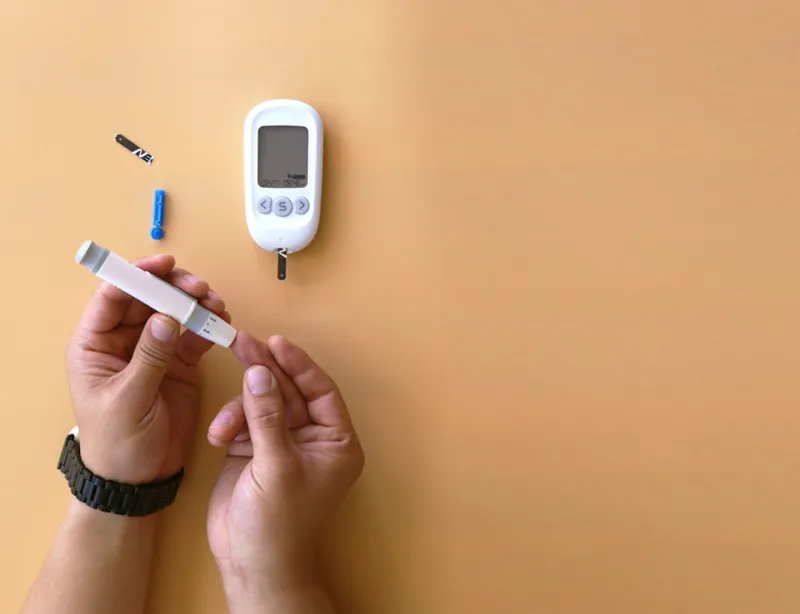
Historically, blood sugar tracking meant a finger‑prick test once a day or an occasional lab draw. Today, continuous glucose monitoring (CGM) devices provide a near‑real‑time stream of data, updating every five minutes. The technology was once confined to diabetes care, but forward‑thinking executives are now adopting CGMs to gain a granular view of their metabolic rhythm.
Here’s how to make the most of CGM data without turning your day into a lab experiment:
- Identify Personal Glucose Patterns. Look for recurring dips after certain meals, during prolonged meetings, or following high‑stress episodes.
- Correlate Data with Performance Metrics. Use a simple spreadsheet to log key decisions, presentation scores, or creative output alongside glucose readings.
- Set Actionable Thresholds. Define a “sweet spot” range (often 90‑130 mg/dL for most people) and create alerts for when you fall outside it.
- Iterate Nutrition and Schedule. Adjust macronutrient timing, hydration, and micro‑breaks based on the insights you gather.
Nutrition Timing: The Executive’s Secret Weapon
Most executives think of nutrition in terms of calories and macros. While those are important, the timing of nutrient intake can be a game‑changer for glucose stability.
- Protein‑First Breakfast. Starting the day with a protein‑rich meal (eggs, Greek yogurt, or a plant‑based protein shake) slows carbohydrate absorption, preventing early‑morning spikes.
- Strategic Carbohydrate Pairing. Combine complex carbs with healthy fats and fiber (think quinoa + avocado) to create a slower, more sustained glucose release.
- Mid‑Afternoon Power Snack. A small handful of nuts and a piece of low‑glycemic fruit (berries or an apple) can keep glucose steady during the post‑lunch slump, a period notorious for decision fatigue.
- Pre‑Meeting Fuel. About 30 minutes before a high‑stakes meeting, consume a modest amount of protein and a low‑glycemic carb (e.g., hummus with carrot sticks). This primes the brain with a stable energy source without triggering an insulin surge.
Hydration, Stress, and Glucose Interplay
While hydration isn’t the headline of this article, it’s impossible to ignore its role in glucose regulation. Dehydration reduces blood volume, making glucose concentrations appear higher and prompting the body to release stress hormones that further destabilize levels. A quick reminder to sip water throughout the day can smooth out those spikes.
Stress, especially chronic workplace stress, spikes cortisol, which antagonizes insulin and promotes higher blood sugar. Simple stress‑reduction techniques—breathing exercises, short walks, or a brief mindfulness pause—can blunt cortisol’s impact and keep glucose on an even keel.
For a deeper dive into how hydration fuels mental performance, check out Why Staying Hydrated Is Your Secret Weapon for Peak Mental Performance.
Case Study: Turning CGM Insights Into Boardroom Wins
Consider the experience of Maya, a chief operating officer at a fast‑growing tech firm. She began wearing a CGM after a colleague mentioned the prediabetes challenges that many high‑performers face. Within a week, Maya noticed a pattern: a sharp glucose dip each time she skipped lunch to attend back‑to‑back calls.
She experimented with a portable, protein‑forward snack (almond butter on celery) during those gaps. The next week, her CGM showed a smoother curve, and she reported feeling more focused during calls. Over a month, she correlated this stability with a measurable increase in project completion rates and a reduction in the number of “last‑minute” strategic pivots—a clear indicator of improved decision clarity.
Integrating Glucose Insight Into Team Culture
Individual optimization is powerful, but the real advantage emerges when an organization normalizes glucose awareness as part of its performance toolkit.
- Offer Education Sessions. Invite a nutritionist or metabolic specialist to demystify CGM data for staff.
- Provide Healthy Food Options. Stock meeting rooms with low‑glycemic snacks (nuts, seeds, dark chocolate) and ensure catering includes balanced choices.
- Encourage “Glucose‑Smart” Meeting Schedules. Avoid back‑to‑back high‑stakes meetings without a short buffer for a snack or hydration break.
- Leverage Data for Team Wellness. Anonymously aggregate glucose trends (with employee consent) to identify organization‑wide patterns and inform wellness initiatives.
These steps foster a culture where metabolic health is seen as a lever for collective performance, not a personal health issue.
Potential Pitfalls and How to Avoid Them
Adopting CGM technology and glucose‑focused strategies can be transformative, but there are common missteps:
- Over‑Analyzing the Data. Treat the CGM as a guide, not a strict rulebook. Obsessive tracking can increase stress, which in turn destabilizes glucose.
- Relying on One‑Size‑Fits‑All Diets. Individual responses to carbs vary widely. Use your own data to tailor nutrition rather than following generic “low‑carb” advice.
- Neglecting Sleep. Poor sleep impairs insulin sensitivity, making glucose swings more likely. Pair glucose management with solid sleep hygiene.
- Ignoring Medical Advice. If you have a diagnosed condition (diabetes, hypoglycemia, etc.), coordinate any new monitoring or diet changes with your healthcare provider.
Future Outlook: AI‑Driven Glucose Coaching
We’re on the cusp of a new era where AI algorithms will ingest CGM data, calendar events, and even stress indicators to deliver personalized, real‑time recommendations. Imagine a virtual assistant that nudges you to hydrate before a high‑stress call, suggests a specific snack based on your upcoming schedule, or even reschedules a low‑energy meeting to a time when your glucose is at its peak.
While many of these capabilities are still emerging, early adopters who integrate basic CGM insights now will be primed to extract maximum value when the AI layer arrives.
Takeaway: Make Glucose Your Executive Edge
Managing blood sugar isn’t just a health habit—it’s a performance strategy. By monitoring glucose in real time, aligning nutrition timing with decision‑heavy moments, and embedding metabolic awareness into corporate culture, you can convert a hidden variable into a competitive advantage. The next time you sit down for a board meeting, consider not just the agenda but also the state of your brain’s fuel tank. A few simple tweaks could be the difference between a good decision and a great one.
Resources to Dive Deeper
For those ready to explore further, here are a couple of posts that complement this discussion:

Craig Brett is a freelancer with a passion for the outdoors. His love for nature inspires his work, bringing authentic and engaging perspectives to projects related to outdoor activities, adventure, and environmental topics.
Related Posts
Balancing Blood Sugar Naturally: My Holistic Journey to Stable Glucose
A personal guide to stabilizing blood sugar using nutrition, exercise, and mindfulness—practical t... Read More

The Hidden Power of Food Timing: Mastering Blood Sugar for Remote Teams
Discover why when you eat matters more than what you eat, with practical timing strategies, tech tip... Read More

Breathwork and Rhythm: A Fresh Path to Balanced Blood Sugar
Learn a simple, sustainable approach to blood sugar management using breathwork, rhythmic movement, ... Read More
Top Posts

Health Insurance for the Modern Workforce: A Dynamic, Data‑Driven Approach
A deep dive into how health insurance can evolve for the gig economy, leveraging real‑time health data, AI risk modeling, and employer partnerships to create ...Read More

When Nightmares Knock: Turning Sleep Terrors Into Insightful Allies
A fresh, compassionate approach to sleep terrors that blends somatic resets, micro‑mental declutter, and data‑informed awareness, turning nightly fear into ...Read More

Playful Curiosity: A Secret Weapon for Healthy Aging
A deep dive into the science and practical habits of playful curiosity, showing how asking “What if?” daily can sharpen memory, boost social bonds, and keep...Read More

Decoding Sleep Terrors: A Science‑Backed Blueprint for Calm Nights
A practical guide blends neuroscience, sound therapy, and simple lifestyle tweaks to help you quiet sleep terrors and reclaim restful nights....Read More
0 Comments
Post Comment
You will need to Login or Register to comment on this post!