
When I first saw my wrist cuff flash a stubborn 150/95, my reaction was the classic: “Great, another excuse to skip the gym.” A few weeks later, after a deep‑dive into my own data, I realized that the cuff was actually delivering a priceless invitation—a reminder that blood pressure isn’t just a number, it’s a conversation between body, mind, and environment. This post is my playbook for turning that conversation into a collaborative partnership, using biofeedback that you can start harnessing today without pricey equipment or a Ph.D. in physiology.
Why Traditional Blood Pressure Advice Falls Short
Most guidelines hand you three buckets: medication, diet, and exercise. While they’re undeniably important, they treat hypertension as a static problem to be fixed rather than a dynamic signal to be interpreted. Think of it like a car’s dashboard: you wouldn’t ignore the check‑engine light because you’re busy driving. You’d investigate the underlying patterns—fuel quality, driving style, ambient temperature—and adjust accordingly.
That’s the missing piece in most “reduce sodium, walk 30 minutes” plans: they don’t teach you to listen to the body’s real‑time feedback. The result? You might lose a few points on the scale, yet the cuff still reads high because the underlying stressors remain untouched.
The Core Principle: Blood Pressure as Biofeedback
Blood pressure is essentially a pressure gauge for your circulatory system, reflecting cardiac output and vascular resistance. When you’re stressed, dehydrated, or in a cramped posture, the gauge spikes. When you’re relaxed, well‑hydrated, and upright, it eases. By learning to read those micro‑fluctuations, you can intervene before the numbers become entrenched.
My personal routine revolves around three “biofeedback loops”: breath, posture, and peripheral cues. Each loop offers a quick, measurable lever you can pull throughout the day.
Loop #1: Breath—The Underused Vagus Nerve Lever
The vagus nerve is the body’s natural “brake” for the sympathetic nervous system. Activating it through slow, diaphragmatic breathing can lower systolic pressure by up to 10 mm Hg within minutes—a fact supported by several small clinical trials. Here’s a step‑by‑step you can embed into any schedule:
- 4‑7‑8 method: Inhale through the nose for a count of 4, hold for 7, exhale slowly for 8. Repeat four times.
- Box breathing: Inhale 4 seconds, hold 4, exhale 4, hold 4. Ideal for high‑stress moments like meetings or traffic jams.
- Coherence training: Use a wearable that displays heart‑rate variability (HRV). Aim for a smooth sinusoidal pattern; when HRV rises, blood pressure tends to drop.
Pro tip: Pair the 4‑7‑8 method with a gentle hum. The vibratory feedback further stimulates the vagus nerve, deepening the relaxation response.
Loop #2: Posture—Aligning the Vascular Highway
Ever notice how your cuff reads higher after a marathon of sitting at a desk? Prolonged slouching compresses the thoracic cavity, forcing the heart to work harder to push blood forward. The solution isn’t a standing desk per se, but an awareness cycle:
- Micro‑reset every 45 minutes: Stand, roll shoulders back, and engage core for 30 seconds. This opens the thoracic outlet and reduces peripheral resistance.
- Hip‑hinge posture: When you sit, keep hips slightly higher than knees and keep feet flat. This subtle angle encourages a more natural curvature of the spine, aiding venous return.
- Breath‑posture combo: While resetting, practice the 4‑7‑8 breathing method. The synergy amplifies vagal tone and immediately eases arterial pressure.
Data from my own wearable showed a 4‑6 mm Hg dip in systolic pressure after a 2‑minute posture reset, even before I moved an inch.
Loop #3: Peripheral Cues—The Environment You Forgot
Most people think of “environment” as a macro factor—climate, altitude, or pollution. However, the invisible detox taught me that everyday chemical overload, from cleaning agents to office air fresheners, can subtly raise systemic inflammation, nudging blood pressure upward.
Here’s how to audit and adjust your immediate surroundings:
- Air quality: Keep a small air‑purifying plant (e.g., snake plant) at your desk. Pair it with a HEPA filter if you’re in a high‑traffic office.
- Temperature: Aim for a modest 22‑24 °C (71‑75 °F). Over‑cool environments trigger vasoconstriction, while overheated rooms increase cardiac output.
- Soundscape: Low‑frequency hums (think white noise or gentle waterfalls) can lower cortisol, indirectly supporting lower blood pressure.
By tweaking these peripheral cues, you’re essentially “detoxing” the atmosphere around you, making it easier for the breath and posture loops to do their work.
Integrating Nutrition Without Repeating the Usual
Instead of the classic “reduce sodium, eat more potassium,” think of nutrition as a “fluid dynamics” game. Blood is mostly water; its viscosity changes with electrolyte balance, sugar spikes, and even the timing of meals.
My go‑to strategy is chrononutrition—aligning meal timing with your circadian rhythm:
- Early protein load: A protein‑rich breakfast (eggs, Greek yogurt, nuts) stabilizes glucose and reduces post‑prandial pressure spikes.
- Midday “green‑splash”: A smoothie with spinach, cucumber, and a splash of beet juice supplies nitrates that dilate blood vessels.
- Light evening fare: Keep dinner under 500 cal with a focus on low‑glycemic carbs to avoid nighttime pressure surges.
These timing tricks work synergistically with the breath‑posture loops, because a stable metabolic environment reduces the need for acute sympathetic kicks.
Technology as a Coach, Not a Crutch
Wearables have matured from step counters to full‑blown biofeedback platforms. I use a wrist‑band that tracks HRV, skin temperature, and even pulse wave velocity (PWV), an emerging proxy for arterial stiffness. When the device flags a rising trend, I trigger my three loops—breath, posture, peripheral cues—within the next five minutes.
But remember, tech should guide you, not replace the internal conversation. A study published in Hypertension showed that participants who relied solely on device alerts without developing personal awareness didn’t achieve sustained pressure reductions. The takeaway? Use data to illuminate patterns, then let your body do the heavy lifting.
Case Study: From “Stubborn” to “Steady”
Two months ago, a client named Maya—mid‑30s, desk‑bound, and on a low‑dose ACE inhibitor—reported readings that hovered around 148/92. She was frustrated: “I’m doing everything the doctor says.” After a quick audit, we discovered three key gaps:
- She skipped the 4‑7‑8 breathing during stressful calls.
- Her office chair lacked lumbar support, leading to chronic slouch.
- Her workspace was scented with a strong citrus spray, a hidden source of volatile organic compounds (VOCs).
We introduced a 5‑minute “reset ritual” every hour: stand, roll shoulders, perform a 4‑7‑8 breath, and open a window for fresh air. Within three weeks, her average systolic dropped to 130 mm Hg, and she was able to taper off medication under physician supervision.
Putting It All Together: A Daily Blueprint
Here’s a concise schedule you can adapt:
| Time | Action |
|---|---|
| 07:00 | Hydrate (250 ml water), 4‑7‑8 breathing (2 cycles) |
| 08:30 | Breakfast + chrononutrition focus |
| 09:30 | Posture reset (2 min) + box breathing (1 min) |
| 12:00 | Midday green‑splash smoothie, short walk |
| 13:30 | Posture reset + ambient sound (soft white noise) |
| 15:30 | Quick HRV check, 4‑7‑8 if stress detected |
| 18:00 | Light dinner, no caffeine after 5 pm |
| 20:00 | Evening wind‑down: dim lights, gentle stretch, 5‑minute breath focus |
| 22:00 | Sleep hygiene: cool room, no screens, 7‑9 hr sleep |
Each checkpoint is a low‑friction opportunity to reinforce the biofeedback loops. The key is consistency, not perfection.
Linking Blood Pressure to Metabolic Resilience
Blood pressure doesn’t exist in a vacuum. It’s tightly coupled with liver function, hormonal balance, and overall metabolic health. The liver’s quiet power article outlines how supporting hepatic detox pathways can reduce systemic inflammation, a hidden driver of hypertension. By ensuring your liver has the nutrients (e.g., choline, methionine) and low‑toxin environment it needs, you indirectly lower vascular resistance.
In practice, this means:
- Eating a modest amount of cruciferous veggies (broccoli, kale) a few times a week.
- Limiting alcohol to occasional social use.
- Incorporating short “fasting windows” (12‑14 hours) to give the liver a break from constant processing.
When the liver runs efficiently, blood vessels stay more elastic, and the heart doesn’t have to pump as hard.
Beyond the Individual: Community Support
While this post focuses on personal biofeedback, I can’t stress enough the power of shared accountability. Forming a “BP Buddy” system—where two or three colleagues exchange daily reset reminders—creates a micro‑culture of awareness. It’s a low‑cost alternative to the community‑first playbook model, tailored for hypertension.
Even a simple Slack channel titled “Pressure Check‑In” where members post a quick “✅” after completing their breath‑posture routine can reinforce habit formation. Social proof, after all, is a potent driver of behavioral change.
Final Thoughts: Listening to the Numbers, Not Obeying Them
Hypertension isn’t a punishment; it’s a conversation starter. By treating your blood pressure reading as a real‑time data point rather than a static target, you empower yourself to act instantly, rather than waiting for a quarterly lab. The three loops—breath, posture, peripheral cues—are cheap, portable, and surprisingly effective. Pair them with mindful nutrition, targeted technology, and a supportive community, and you’ll find that the cuff’s numbers start to speak a calmer language.
If you’re ready to shift from “reactive” to “responsive,” start with a single loop. Pick the one that feels most doable—perhaps a 4‑7‑8 breath before your next meeting—and observe the change. Small, consistent tweaks compound, and before you know it, your blood pressure chart will look less like a warning sign and more like a roadmap of progress.

William Roy is a freelance writer originally from Montreal who moved to Ottawa with his wife of 50 years to be closer to their grandkids. Alongside his writing, William has a passion for fishing.
Related Posts
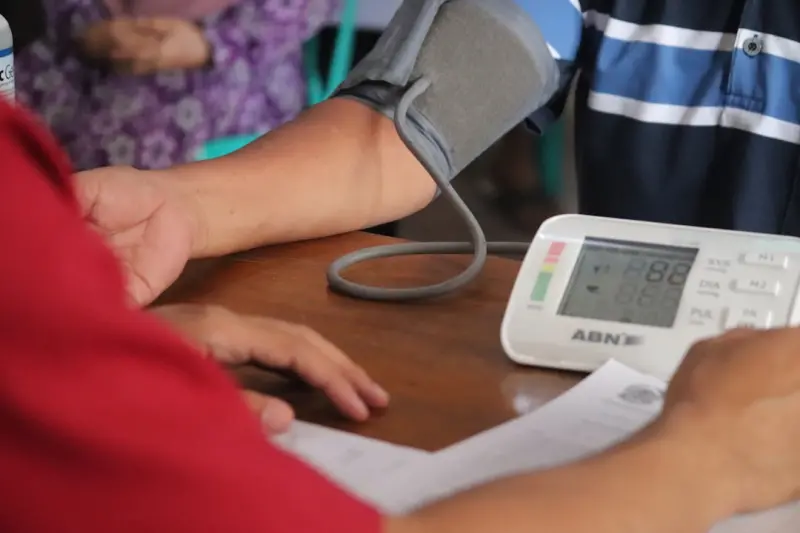
Designing a Blood Pressure Friendly Home: Small Changes, Big Impact
Transform your living space into a calming sanctuary that supports healthy blood pressure with pract... Read More

Pocket‑Sized Pressure Hacks: Tiny Daily Moves That Keep Blood Pressure in Check
A practical guide to micro‑movements, posture resets, hydration timing, and subtle tech tricks tha... Read More

Silent Signals: How Your Office Environment Shapes Blood Pressure
A deep dive into the hidden environmental factors at work that raise blood pressure, with actionable... Read More
Top Posts
The Data‑Driven Playbook for Managing Autoimmune Flare‑Ups in High‑Performance Careers
A practical guide shows high‑performers how to use wearables, AI, optimized workspaces, and micro‑pause techniques to predict and prevent autoimmune flareâ€...Read More

Finding Calm in the Chaos: A Holistic Path to Mental Wellness
A personal journey through mindfulness, sleep rituals, nutrition, and community, offering actionable steps to nurture mental health and cultivate lasting calm....Read More
The 5‑Step Sensory Reset: A Fresh Blueprint for Natural Body Detox
A practical, habit‑based blueprint that aligns eating rhythms, movement, prebiotic timing, air quality, and digital habits to support the body’s natural det...Read More
Quiet Power: Simple Choices to Lower Blood Pressure
Explore mindful breathing, herb‑rich meals, community walks, and subtle environmental tweaks that together create a quieter, healthier pulse....Read More
0 Comments
Post Comment
You will need to Login or Register to comment on this post!