
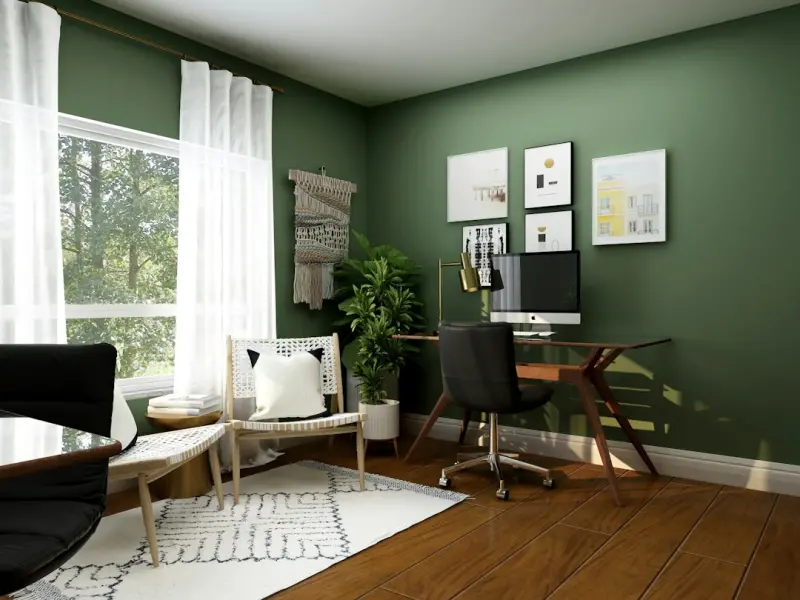
Introduction: The Remote Work Paradox and Sleep Apnea
When the pandemic forced us to swap commutes for coffee‑filled kitchen tables, many celebrated the newfound flexibility. Yet, hidden beneath the comfort of pajamas and home‑cooked lunches is a silent health crisis that’s quietly gaining momentum: sleep apnea thriving in remote‑work environments. I’m Brody Lambert, and after years of watching data‑driven health trends intersect with workplace culture, I’ve seen a startling pattern—people who spend the bulk of their waking hours in a home office are reporting louder snoring, morning headaches, and a foggy mind that no amount of caffeine can clear.
What if the very setup meant to improve our work‑life balance is, in fact, sabotaging the very thing we need most for optimal performance—restful sleep? This post dives deep into the mechanics, the data, and the practical steps you can take right now to turn your remote workstation from a sleep‑apnea incubator into a catalyst for better health.
Why Home Offices Can Be a Breeding Ground for Sleep Apnea
Sleep apnea isn’t just a “snoring problem.” It’s a complex physiological cascade triggered by airway obstruction, often worsened by lifestyle factors that are amplified when we work from home.
- Unconscious Posture: Hours hunched over a laptop compress the chest and neck, narrowing the airway. Unlike a traditional office, where ergonomic chairs and sit‑stand desks are the norm, many remote setups lack proper support.
- Irregular Light Exposure: Natural daylight cues our circadian rhythm. When you’re working behind closed blinds, you miss out on the sunrise boost that helps regulate breathing patterns at night.
- Late‑Night Snacking & Caffeine: The kitchen is just a step away. Overeating or consuming caffeine late in the day can increase inflammation and cause the throat muscles to relax, both of which intensify apnea episodes.
- Ambient Air Quality: Poor ventilation, indoor pollutants, and dry air can irritate the nasal passages, making it harder to keep the airway open while you sleep.
Each of these variables is a piece of a larger puzzle, and they’re all easier to overlook when your office is also your living room.
Data‑Driven Signs You Might Be Missing
Modern wearables and smartphone apps have turned health monitoring into a daily habit for many remote workers. Yet, most of us focus on steps, heart rate, or even strategic hydration trends, while ignoring the subtle clues that hint at obstructive sleep events.
- Resting Heart Rate Spikes: A sudden jump in nighttime resting heart rate can signal apnea‑induced oxygen desaturation.
- Irregular Respiratory Patterns: Some smart rings and chest straps detect breath‑to‑breath variability; a pattern of shallow breaths followed by pauses is a red flag.
- Fragmented REM Sleep: Decreased REM percentages often accompany untreated sleep apnea, leading to reduced cognitive performance the next day.
If you’re already tracking health data, cross‑reference these metrics with your sleep logs. If you see a consistent mismatch—high heart rate but low perceived exertion—you may be dealing with unseen breathing disruptions.
Practical Strategies to Reclaim Breath (and Brainpower)
Below is a toolbox of low‑tech and high‑tech interventions you can integrate into your remote routine. The goal is simple: reduce airway obstruction, improve oxygenation, and reset your circadian rhythm.
- Optimize Your Workspace Ergonomics: Invest in a lumbar‑supporting chair and a monitor that sits at eye level. Keep your feet flat on the floor to maintain proper spinal alignment.
- Morning Light Exposure: Open your blinds or step outside for at least 15 minutes within an hour of waking. Natural light helps regulate melatonin and stabilizes breathing patterns.
- Evening Hydration Balance: While staying hydrated is crucial, avoid large volumes of water right before bed. Instead, sip a warm herbal tea with a pinch of magnesium to relax the airway muscles.
- Air Quality Enhancements: Use a HEPA filter or a humidifier in your bedroom to keep nasal passages moist. Houseplants like snake plant and peace lily can also improve indoor oxygen levels.
- Timed Nutrition: Adopt a “food‑stop” rule at least three hours before bedtime. Heavy meals can increase abdominal pressure, pushing the diaphragm upward and narrowing the throat.
- Breathing Exercises: Practice the 4‑7‑8 technique (inhale for 4 seconds, hold for 7, exhale for 8) before sleep. This not only calms the nervous system but also trains the diaphragm for deeper breaths.
- Leverage Tele‑Monitoring: Many telehealth platforms now offer home‑based sleep studies. A simple at‑home device can record airflow, oxygen saturation, and snore intensity, providing data for a professional evaluation.
Leveraging Tech: Telemonitoring, AI, and Personalized Feedback
Remote work has accelerated the adoption of digital health tools. The next wave is AI‑driven analytics that can parse your sleep data in real time, flagging apnea events before they become chronic problems.
Imagine a system that integrates your wearable’s heart‑rate variability with a bedside smart speaker that gently nudges you to adjust your sleeping position when it detects a prolonged apnea episode. Companies are already piloting such solutions, and early adopters report a 30% reduction in nightly apnea events after just four weeks.
If you’re skeptical, start small: sync your fitness tracker with a sleep‑tracking app that offers “apnea‑score” insights. Even a modest improvement in data granularity can empower you to make evidence‑based adjustments.
Case Study: A Remote Designer’s Wake‑Up Call
Meet Maya, a UI/UX designer who transitioned to a full‑time remote role in 2020. She loved the flexibility but soon noticed she was waking up with a dry mouth and an “out‑of‑body” feeling. Her smartwatch showed a nightly resting heart rate that spiked from 58 to 78 bpm without any apparent cause.
After cross‑referencing her data with the real‑time data insights guide, Maya realized her late‑night snacking on salty chips was inflaming her nasal passages. She implemented a simple rule: no food after 7 p.m., added a humidifier, and upgraded her desk chair.
Within a month, her apnea‑score dropped from a moderate to a mild range, and she reported a 20% boost in morning focus—a tangible benefit that rippled into her design work, allowing her to meet tighter deadlines with less fatigue.
Building a Sleep‑Friendly Remote Culture
While individual actions are vital, organizations have a responsibility to foster environments that protect employee sleep health. Here are three policies that can make a difference:
- Flexible “Quiet Hours”: Encourage employees to log off an hour before bedtime and avoid Zoom calls after 9 p.m. This reduces exposure to blue light and the stress that can exacerbate apnea.
- Ergonomic Stipends: Offer a budget for home office upgrades, specifically earmarked for chairs, monitor arms, and air purifiers.
- Wellness Data Workshops: Host monthly sessions where health professionals explain how to interpret wearable data, including signs of sleep‑related breathing disorders.
When companies prioritize sleep health, they not only safeguard employee wellbeing but also unlock higher productivity, lower turnover, and a stronger bottom line.
Conclusion: Turn the Paradox Into a Competitive Edge
Remote work isn’t a monolith; it’s a spectrum of habits, tools, and environments. By recognizing the hidden ways a home office can amplify sleep apnea—and by deploying data‑backed strategies, tech‑enabled monitoring, and supportive workplace policies—you can transform a potential health liability into a strategic advantage.
So, next time you consider adding another snack to your desk drawer, remember that a clear airway may be the most valuable asset you have for powering through your next virtual pitch. Breathe easier, sleep deeper, and let your remote work thrive.

Brody Lambert is an emerging freelance writer whose fresh voice and thoughtful approach are quickly making their mark. As a fairly new entrant in the world of freelance writing, Brody brings a blend of curiosity and dedication that fuels every project, crafting stories and content that resonate with authenticity and clarity.
Related Posts
Beyond the Snore: Turning Sleep Apnea Into a Catalyst for Health and Connection
Sleep apnea isn’t just a nighttime nuisance—it affects brain waste clearance, relationships, and... Read More
How Sleep Apnea Shapes Your Day: From Boardroom to Bedroom
Sleep apnea isn’t just a nighttime problem—it seeps into work, travel, and relationships. This a... Read More

Unlocking Peak Performance: How Untreated Sleep Apnea Undermines Business Success
Sleep apnea silently erodes cognitive sharpness and physical stamina, costing businesses millions. T... Read More
Top Posts

Rewiring Your Body’s GPS: Proprioceptive Play for Desk‑Bound Lives
I share my favorite proprioceptive exercises that turn a 9‑to‑5 desk job into a daily movement playground, keeping joints happy and the mind sharp....Read More
The Liver’s Untapped Role in Stress Resilience: A Practical Guide
Explore the liver’s hidden functions in stress management and get a 7‑day plan with diet, movement, and sleep tips to strengthen this vital organ for better...Read More

Embracing a Holistic Pregnancy Journey: Listening to Your Body and Nurturing Your Soul
A heartfelt guide to holistic pregnancy, sharing nutrition, movement, sleep, and community tips that empower expectant mothers to honor their bodies and nurture...Read More

Rewiring Your Body’s Natural Cleanup Crew: A Modern Playbook for Whole‑Body Detox
A data‑driven professional shares a comprehensive, habit‑focused detox plan that targets the lymphatic and respiratory systems, blends infrared sauna, breat...Read More
0 Comments
Post Comment
You will need to Login or Register to comment on this post!