
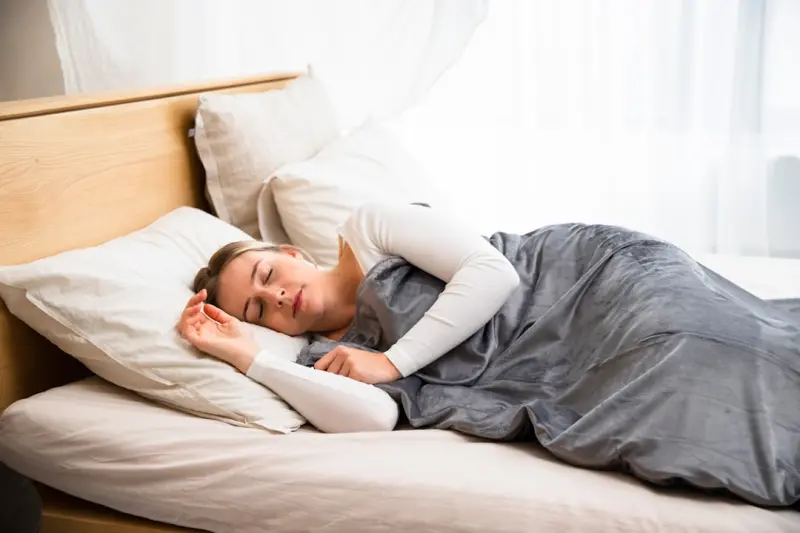
When I first learned that my husband’s snoring was more than a nightly annoyance, I thought it was just another quirky habit to tolerate. A few months later, after countless restless nights and a shaky morning routine, we discovered he had moderate obstructive sleep apnea. The diagnosis was a turning point—not just for his health, but for everything that happens in the daylight hours we both spend working, parenting, and trying to feel alive.
The Unseen Ripple: Sleep Apnea’s Impact Beyond the Bedroom
Most conversations about sleep apnea focus on the obvious—loud snoring, the dreaded CPAP mask, and the risk of cardiovascular disease. While those are undeniably important, there’s a quieter, equally consequential ripple that extends far beyond the bedroom walls. The condition subtly hijacks your energy, mood, and even your professional credibility.
Imagine walking into a crucial client meeting feeling foggy, your brain struggling to locate the right words, while your heart races as if you’ve just sprinted a mile. That’s the everyday reality for many living with untreated sleep apnea. The brain’s oxygen supply dips repeatedly throughout the night, leading to micro‑arousals that fragment sleep architecture. Over time, the cumulative effect is a brain that’s perpetually operating on low‑power mode.
In my own experience, I watched my partner’s once‑sharp presentations become scattered, his once‑steady hand on the keyboard jittery. It wasn’t laziness or a lack of skill—it was a physiological deficit masquerading as a performance issue. Understanding this connection helped us reframe the problem: treating sleep apnea isn’t just about preventing heart attacks; it’s about reclaiming daytime productivity, confidence, and relationships.
From CPAP to Workplace Wellness: Rethinking the Conversation
Corporate wellness programs have made strides in addressing stress, ergonomics, and mental health, yet sleep apnea remains a largely invisible foe. The stigma of a “mask” and the misconception that it’s only for heavy‑snorers keep many employees silent. Here’s how we can shift the narrative:
- Normalize Screening. Offer on‑site or virtual sleep health assessments as part of annual health checks. Simple questionnaires can flag risk factors—BMI, neck circumference, and daytime sleepiness—that warrant a professional sleep study.
- Provide CPAP Support. If an employee is prescribed a CPAP device, ensure they have access to a knowledgeable respiratory therapist who can troubleshoot mask fit and pressure settings. Many people abandon therapy within weeks because of discomfort, not lack of will.
- Integrate Restorative Breaks. Encourage short, movement‑based breaks that include gentle stretching and deep breathing. While not a substitute for treatment, these micro‑moments can mitigate the daytime grogginess that accompanies fragmented sleep.
By embedding sleep apnea awareness into the broader wellness ecosystem, organizations can reduce absenteeism, boost morale, and even improve safety outcomes—especially in roles that demand sustained attention, like manufacturing or transportation.
Traveling with Sleep Apnea: The Unspoken Challenges
Frequent flyers, road‑trippers, and even weekend campers often overlook how their sleep apnea management changes on the go. Here are a few practical hacks I’ve gathered from our own travel trials:
- Pack a Portable CPAP. Modern devices are lightweight, battery‑operated, and compatible with international voltage. Keep the machine in a dedicated travel pouch to avoid damage.
- Secure Backup Supplies. Mask cushions, tubing, and filters wear out faster when you’re constantly moving. A small “sleep apnea travel kit” can save you from a night of uncomfortable, untreated breathing.
- Plan for Airport Security. Declare your device at the checkpoint; most airlines allow you to use a power outlet on the plane, but it’s wise to verify before you board.
These adjustments may seem minor, but they protect you from the cascade of daytime fatigue that can turn a business trip into a series of missed opportunities.
Leveraging Technology: From Data to Empowerment
Wearable tech has exploded in popularity, and many devices now claim to track sleep quality. While they’re not replacements for a clinical sleep study, they can serve as a valuable feedback loop for people with sleep apnea.
Data points like oxygen saturation trends, breathing rate variability, and sleep stage distribution can highlight patterns that warrant a professional follow‑up. Some platforms even sync directly with CPAP machines, allowing users to view compliance reports in real time.
If you’re exploring these tools, start small. Use the data to ask targeted questions during your next appointment—“My average SpO₂ dipped below 90% for three consecutive nights; should my pressure setting be adjusted?” This collaborative approach turns passive monitoring into active disease management.
Nutrition and Sleep Apnea: Tiny Habit Adjustments That Make a Difference
Weight management is a well‑known pillar of sleep apnea therapy, but the relationship between diet and airway patency is more nuanced than “lose pounds, breathe easier.” Certain foods can exacerbate inflammation in the throat and nasal passages, while others support muscle tone and hormonal balance.
Incorporating tiny habit adjustments—like limiting late‑night dairy, reducing sodium to prevent fluid retention, and choosing antioxidant‑rich berries—can gently reduce airway swelling. Even modest changes, such as sipping a warm herbal tea with ginger before bed, have been reported to ease nighttime congestion.
Pair these nutritional tweaks with regular breathwork aligned with the seasons. Seasonal breathwork not only calms the nervous system but also encourages diaphragmatic breathing, which can improve airway tone over time.
The Relationship Factor: How Sleep Apnea Shapes Couples’ Dynamics
Sleep is a shared experience for many households, and when one partner’s breathing is interrupted, the other often bears the brunt silently. The partner may experience fragmented sleep, increased irritability, and even resentment toward the device itself.
Open communication is the cornerstone of navigating this terrain. Here are conversation starters that helped us:
- Share the Science. Understanding that the apnea isn’t a personal flaw, but a medical condition, reduces blame.
- Co‑Design the Night. Decide together where the CPAP machine will sit, whether a humidifier is needed, and how to manage bedroom temperature for optimal comfort.
- Celebrate Small Wins. A night of consistent usage, a drop in AHI (Apnea‑Hypopnea Index), or a morning with fewer headaches deserves acknowledgment.
When both partners feel heard and involved, the nightly routine becomes a collaborative health ritual rather than a point of contention.
Mind‑Body Synergy: Complementary Practices to Boost CPAP Efficacy
While CPAP remains the gold standard, pairing it with supportive mind‑body practices can amplify results. Gentle yoga poses that open the chest and throat—such as fish pose (Matsyasana) and camel pose (Ustrasana)—promote flexibility in the airway structures. Meanwhile, mindfulness meditation before bedtime can lower cortisol levels, reducing airway inflammation linked to stress.
These practices are not “alternatives” to medical treatment; they’re adjuncts that create a more hospitable environment for the airway to stay open, making CPAP therapy feel less intrusive.
Looking Ahead: A Call to Action for Employers, Clinicians, and Individuals
Sleep apnea is a silent productivity killer, a hidden health risk, and a relational stressor. Yet it’s also an entirely treatable condition, with solutions that span technology, lifestyle, and workplace policy. The responsibility to address it doesn’t lie solely with the individual; it’s a collective challenge.
For employers, embed sleep health into your wellness curriculum. Offer resources, subsidies for CPAP devices, and education sessions that demystify the therapy.
For clinicians, consider a holistic discharge plan that includes referrals to nutritionists, sleep coaches, and occupational therapists who can address the broader impacts of apnea on daily life.
For individuals, take the first step: schedule a sleep study if you notice persistent snoring, morning headaches, or unexplained fatigue. Treat the diagnosis as a gateway to a higher quality of life, not a label of limitation.
When we shift the conversation from “just a breathing issue” to “a catalyst for whole‑person vitality,” we open doors to better health, sharper performance, and deeper connections. Sleep apnea may have entered our lives uninvited, but with the right knowledge, tools, and community support, we can turn the tide.

Brandy Miller is a dynamic freelance writer based in the vibrant city of Cambridge, Ontario. With a passion for storytelling that knows no bounds, she crafts compelling narratives that captivate and inspire. Brandy’s love for writing shines through in her versatile work, whether she’s penning thought-provoking articles or engaging content that resonates with readers. Her unique perspective and friendly tone make her a sought-after voice in the writing community. When she’s not weaving words together, you can find her exploring the beautiful landscapes of Ontario, always seeking new adventures and inspiration for her next piece. Brandy is not just a writer; she’s a creative force, making her mark one word at a time.
Related Posts

Hidden Patterns: How Data is Transforming Sleep Apnea Care
A deep dive into how wearable biosensors, AI analytics, and environmental monitoring are revolutioni... Read More

Breathing Easy: Transform Your Home Air to Tame Sleep Apnea
A practical guide exploring how indoor pollutants, humidity levels, and ventilation patterns affect ... Read More
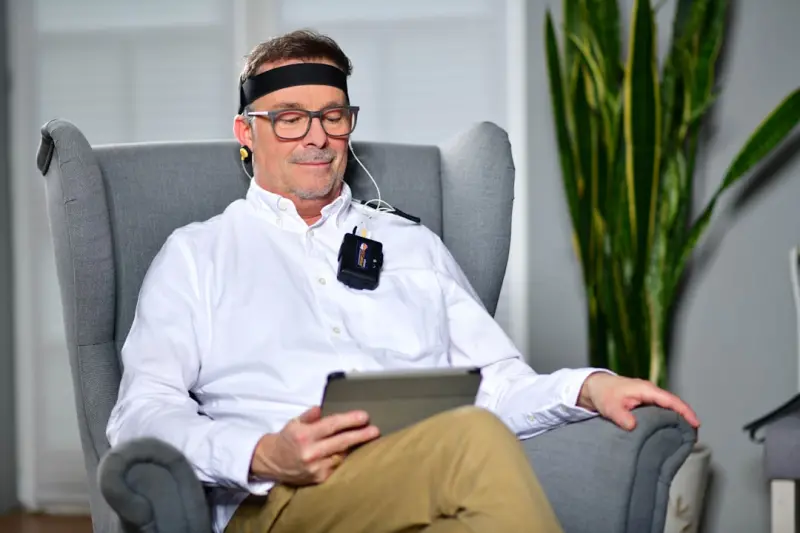
Beyond the CPAP: A Data‑Driven, Biofeedback Approach to Taming Sleep Apnea
Discover a fresh, three‑pronged plan to conquer sleep apnea using real‑time data, biofeedback br... Read More
Top Posts

Paula Wright’s Holistic Guide to Nurturing Liver Health in a Busy World
Paula Wright shares her personal journey and practical, holistic tips for protecting your liver—covering diet, detox, stress relief, and monitoring for lastin...Read More

Micro‑Progressive Overload: Tiny Wins for Massive Muscle Gains
Learn the power of micro‑progressive overload—small, consistent tweaks in your training that compound into major muscle gains—while integrating holistic h...Read More

Micro‑Hormetic Strategies: Small Daily Stressors That Add Up to Longer Life
Lifan Chen explores the power of micro‑hormesis—tiny, daily stressors such as brief cold showers, short movement bursts, light timing, and digital micro‑b...Read More
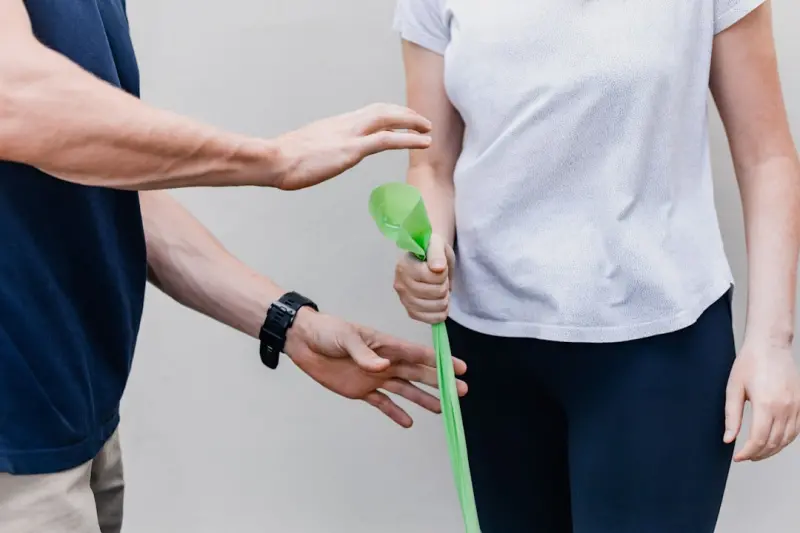
Beyond the Clinic: How Digital Tools Are Revolutionizing Physiotherapy
Deb Roberts shares her firsthand experience integrating tele‑physio, wearables, virtual reality, and gamified home exercises, offering practical tips for clin...Read More
0 Comments
Post Comment
You will need to Login or Register to comment on this post!