
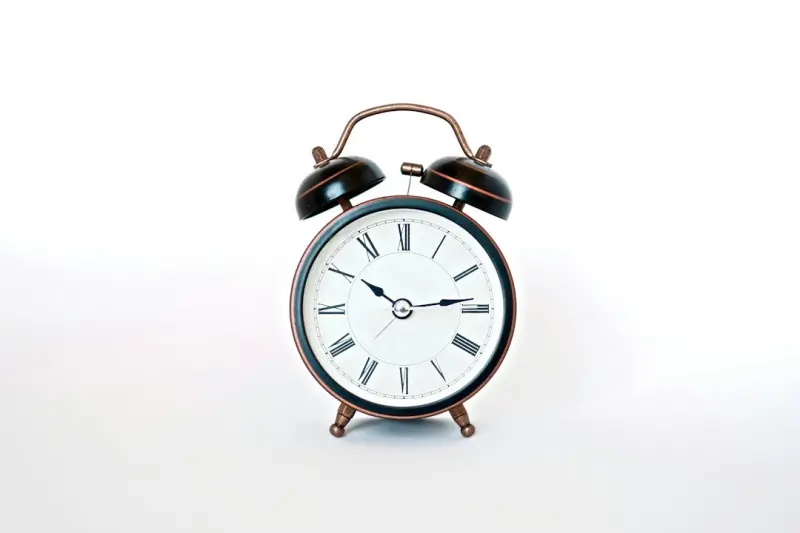
Introduction: The Overlooked Clock
When most people think about living longer, they picture supplements, elite fitness regimens, or groundbreaking genetics. Rarely does the conversation drift toward the silent metronome ticking inside every cell. That metronome—the body’s circadian system—governs everything from hormone release to DNA repair. If we learn to honor its cadence, we unlock a low‑tech, high‑impact lever for extending both lifespan and healthspan.
The Science of the Master Clock
At the heart of our chronobiology lies the suprachiasmatic nucleus (SCN), a tiny cluster of neurons perched in the hypothalamus. The SCN receives direct input from retinal ganglion cells, translating sunrise and sunset into electrical signals that ripple through peripheral clocks in the liver, heart, and gut. These peripheral oscillators orchestrate metabolic pathways, immune surveillance, and cellular cleanup cycles such as autophagy.
When the SCN is in sync with the external environment, the body operates like a well‑tuned orchestra: cortisol peaks to energize the morning, melatonin gently lowers the temperature at night, and the proteasome clears damaged proteins in a predictable window. Disruption—whether from irregular sleep, late‑night screens, or erratic meals—creates a cacophony that accelerates cellular aging and fuels chronic disease.
Synchronizing Daily Routines
Modern life is riddled with temporal mismatches. Shift workers, global travelers, and even “flex‑time” office cultures often ignore the natural ebb and flow of daylight. To harness the clock’s longevity potential, start by anchoring three daily pillars: wake‑time, eating‑window, and movement.
- Wake‑time consistency: Aim to arise within a 30‑minute window each day, even on weekends. A regular sunrise cue reinforces the SCN’s rhythm and stabilizes downstream hormonal cascades.
- Eating‑window alignment: The body’s digestive enzymes, insulin sensitivity, and gut barrier function are all time‑dependent. Concentrating calories within a 10‑12 hour span—preferably earlier in the day—optimizes nutrient utilization and reduces metabolic strain.
- Movement timing: Light‑to‑moderate exercise in the late morning or early afternoon amplifies mitochondrial biogenesis, while vigorous activity too close to bedtime can delay melatonin onset.
By treating these three actions as non‑negotiable appointments with your internal clock, you lay the groundwork for a cascade of age‑defying benefits.
Time‑Restricted Eating: A Simple Shift
Research across rodents and humans shows that a daily fasting window of 12‑14 hours can extend telomere length, improve insulin sensitivity, and boost autophagy—the cellular housekeeping process essential for longevity. The magic lies not in calorie restriction but in giving the liver a predictable “off‑season” to detoxify and repair.
Implementing time‑restricted eating (TRE) is straightforward:
- Choose a start time for your first meal that aligns with natural light—typically within two hours of waking.
- Define a cutoff for the last bite at least 12 hours after that first meal.
- Maintain the same window for at least three weeks before fine‑tuning based on energy levels.
Many early adopters report sharper focus, steadier energy, and a subtle but measurable reduction in inflammatory markers. For those seeking a tangible longevity hack without expensive gadgets, TRE is a compelling entry point.
Daylight, Darkness, and Hormones
Sunlight is the master cue for the SCN. Early‑morning exposure—especially the blue‑rich spectrum around sunrise—boosts cortisol in a controlled surge, priming the brain for alertness and setting the stage for glucose regulation. Conversely, the absence of light at night triggers melatonin release, which not only prepares the body for sleep but also acts as a potent antioxidant.
Practical steps to maximize this hormonal dance:
- Morning sun ritual: Spend 10‑15 minutes outdoors within the first hour of waking. Even on cloudy days, the intensity is sufficient to reset the clock.
- Evening light hygiene: Dim indoor lighting after sunset, and switch devices to warm‑tone or “night mode” settings. Consider amber glasses if you must work late.
- Bedroom darkness: Use blackout curtains and keep electronic screens out of the sleeping environment to allow melatonin to rise uninterrupted.
Social Timing: The Role of Community Rhythms
Humans are social mammals, and our communal habits can reinforce or sabotage our internal timers. Regular meals with family, synchronized exercise classes, and shared leisure activities provide external cues—known as “social zeitgebers”—that strengthen circadian alignment.
Think of a weekly walking group that meets at sunrise, or a community cooking night where everyone prepares a dinner that starts and finishes before 7 p.m. These rituals embed temporal structure into our lives, making it easier to stick to the individual practices described above.
Practical Blueprint for a 24‑Hour Longevity Routine
Below is a day‑long template you can adapt to personal preferences, work schedules, and cultural norms. The goal is to create a predictable rhythm that the SCN can follow without constant “re‑calibration.”
- 06:00 – 06:30 – Dawn Light Exposure: Open curtains, step outside, sip water.
- 06:30 – 07:30 – Gentle Movement: Yoga, stretching, or a brisk walk.
- 07:30 – 08:30 – Protein‑Rich Breakfast: Eggs, legumes, or a plant‑based alternative, paired with whole‑grain toast.
- 09:00 – 12:00 – Focused Work: Limit interruptions, use a “do not disturb” signal to protect deep concentration.
- 12:00 – 13:00 – Midday Meal + Light Walk: Prioritize vegetables, lean protein, and a brief 10‑minute stroll.
- 13:00 – 17:00 – Project Collaboration: Schedule meetings and collaborative tasks during this window when social zeitgebers are strongest.
- 17:30 – 18:30 – Early Evening Dinner: Aim for a lighter plate, emphasizing fiber and healthy fats.
- 19:00 – 20:30 – Wind‑Down Activities: Reading, low‑intensity hobbies, or gentle stretching; avoid screens or switch them to amber mode.
- 21:00 – 22:00 – Pre‑Sleep Routine: Dim lights, perhaps a brief gratitude journal, then lights out.
This framework can be shifted forward or backward by an hour or two to accommodate personal chronotypes (morning larks vs. night owls), but the relative order should stay consistent.
Beyond the Clock: Integrating Mindset and Purpose
Chronobiology isn’t just a set of mechanical rules; it intertwines with the psychological narratives we tell ourselves. When you view your daily schedule as a partnership with nature rather than a rigid checklist, adherence becomes more intuitive.
Consider pairing the above routine with a personal “why” statement—something that transcends the self and taps into broader contribution. Whether it’s mentoring younger professionals, volunteering for environmental clean‑ups, or creating art, a purpose‑driven outlook amplifies the stress‑buffering effects of circadian alignment, further protecting telomeres and supporting longevity.
Synergy with Nutrition and Gut Health
While the focus here is on timing, the quality of what you eat remains a critical piece of the longevity puzzle. Fermented foods, for example, have a unique ability to support gut bacteria that themselves follow diurnal rhythms. Incorporating traditional fermented staples—such as kimchi, kefir, or sauerkraut—within your eating window can reinforce the synchrony between the gut clock and the central SCN. For a deeper dive into how ancient foods boost modern health, explore Fermentation Revival for practical tips.
Continuous Skill Cultivation
Longevity is a marathon, not a sprint, and the journey benefits from lifelong learning. While we avoid rehashing the exact theme of “Learning to Age,” the principle that ongoing skill development sharpens neural pathways and keeps the brain’s metabolic demands in a youthful range is well‑established. Integrating short learning sessions—like a 15‑minute language app or a micro‑lecture during a coffee break—creates mental “exercise” that dovetails with the physical rhythm of your day. Readers interested in how skill‑building intertwines with healthspan may find the article Learning to Age insightful.
Conclusion: Trust the Tick
Our bodies are designed to dance to a 24‑hour beat. Ignoring that beat doesn’t just feel uncomfortable—it accelerates the wear and tear that shortens life. By honoring sunrise, respecting a reasonable eating window, moving in harmony with daylight, and embedding social rhythm into daily life, we tap into a natural, evidence‑backed pathway to longer, healthier years. The elegance of this approach lies in its accessibility: no pricey gadgets, no exotic supplements—just a willingness to listen to the clock that has been ticking inside you since birth.

Brody Lambert is an emerging freelance writer whose fresh voice and thoughtful approach are quickly making their mark. As a fairly new entrant in the world of freelance writing, Brody brings a blend of curiosity and dedication that fuels every project, crafting stories and content that resonate with authenticity and clarity.
Related Posts
Biofeedback Mastery: Turning Real‑Time Data into a Longevity Advantage
Explore a data‑driven longevity framework that uses HRV, breathing, and wearable tech to create ha... Read More
Syncing Your Body Clock: A Rhythm‑Based Blueprint for Longevity
Learn to extend healthspan by syncing daily habits—nutrition, light exposure, movement, and social... Read More

The Relationship Blueprint for a Longer, Vibrant Life
Strong social bonds, purposeful interactions, and thoughtfully designed environments can dramaticall... Read More
Top Posts
Unlocking Muscle Growth with Wearable‑Powered Hypertrophy Coaching
Discover a data‑driven approach to muscle gain that leverages wearables for real‑time velocity, HRV, and sleep insights, turning everyday metrics into a pow...Read More

The Mental Health Journey During Pregnancy: A Holistic Approach
Mental health during pregnancy is a critical aspect of overall wellbeing. Learn how to prioritize self-care, manage stress and anxiety, and adopt a holistic app...Read More

Sensory Enrichment: Simple Home Practices to Boost Neuroplasticity
Explore how light, sound, touch, and movement can be transformed into daily brain‑boosting rituals, fostering neuroplasticity and lasting mental clarity....Read More
Tiny Balance Drills and Everyday Habits: A Senior’s Blueprint for Independence
Learn how tiny balance exercises, everyday strength tools, mindful breathing, and social connections can safeguard senior independence and enhance overall healt...Read More
0 Comments
Post Comment
You will need to Login or Register to comment on this post!