
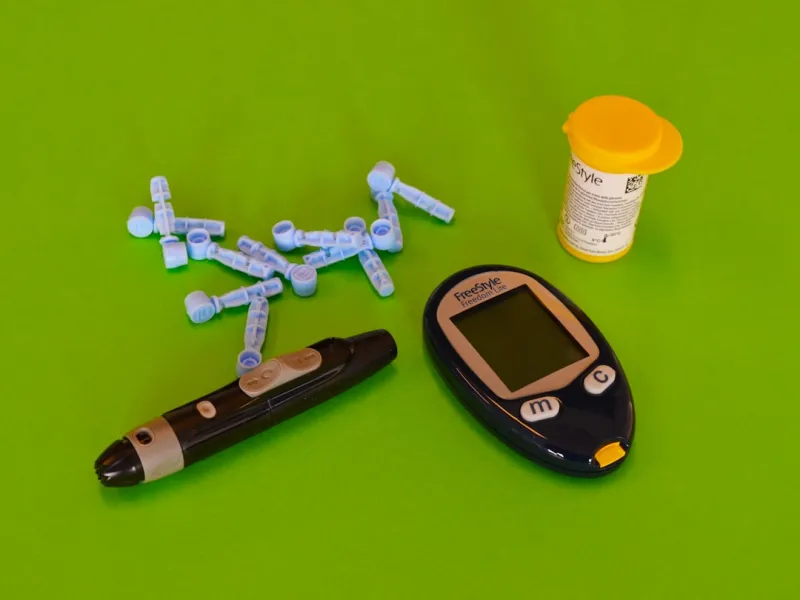
Why Prediabetes Became My Unexpected Mentor
When my routine blood work flashed a borderline A1C, the numbers felt like a quiet alarm bell that I had ignored for far too long, and I realized that prediabetes was not a distant statistical footnote but an intimate, personal invitation to rewrite my health narrative. Prediabetes is a reversible metabolic state that sits on the precipice between normal glucose regulation and full‑blown type 2 diabetes, yet many of us mistake its subtle signals for harmless fluctuations, allowing the condition to simmer unnoticed while our bodies quietly adapt to higher insulin demands. I chose to answer that alarm with curiosity instead of panic, and the journey that followed taught me that holistic change is less about radical overhaul and more about compassionate, consistent realignment of daily habits.
Decoding the Science Without the Jargon
The medical definition of prediabetes hinges on three primary metrics—fasting glucose, oral glucose tolerance, and hemoglobin A1c—each offering a snapshot of how efficiently our cells are handling sugar, and when any of these readings creep above established thresholds, the risk of progressing to diabetes climbs dramatically. However, the true story behind those numbers lies in insulin resistance, a condition where cells become less responsive to insulin’s signaling, forcing the pancreas to produce more hormone, which eventually exhausts the beta‑cells and destabilizes glucose balance. Understanding this physiological dance helped me see my body as a dialogue rather than a malfunctioning machine, prompting me to ask what lifestyle conversations I was neglecting that could restore harmony.
My Wake‑Up Call: A Night in the Lab
It was a chilly Thursday evening in the clinic when the nurse handed me a printed report that read “Impaired Fasting Glucose: 106 mg/dL,” and I felt a mix of denial, embarrassment, and a sudden surge of responsibility, realizing that my long‑standing habit of “just a little extra” after dinner was no longer a benign indulgence. Rather than spiraling into guilt, I sat down with a registered dietitian and we mapped out my typical day—from the coffee‑laden mornings to the midnight snack raids—uncovering hidden sugar spikes that were silently nudging my glucose upward. That moment of clarity turned the lab result from a stigma into a roadmap, and I vowed to transform the data into daily actions that would keep my blood sugar steady and my confidence intact.
Re‑Engineering My Plate: Food as Fuel, Not Fear
One of the first adjustments I made was to replace the “diet” mindset with a food‑first philosophy, focusing on whole, minimally processed ingredients that provide steady energy without causing dramatic insulin surges, and I discovered that pairing protein with fiber and healthy fats creates a buffering effect that smooths post‑meal glucose curves. To keep my meals exciting and nutritionally balanced, I turned to resources like From Plate to Plate: A Holistic Blueprint for Sustainable Muscle Gain, which offered practical recipes that marry taste with blood‑sugar stability, proving that mindful eating can also support lean muscle maintenance. I also started a simple habit of drinking a glass of water before each meal, which not only curbed my appetite but also aided kidney function, helping the body excrete excess glucose more efficiently.
Movement That Moves the Needle
Physical activity emerged as a cornerstone of my reversal plan, but I quickly learned that the type, timing, and intensity of exercise matter just as much as the duration, especially when the goal is to improve insulin sensitivity without triggering cortisol spikes that could counteract progress. I gravitated toward a blend of moderate cardio—like brisk walking or cycling for 30 minutes most days—and strength training sessions that target major muscle groups, because building lean mass creates more cellular “real estate” for glucose uptake, turning the body into a more efficient sugar sink. For inspiration, I explored Mindful Movement: The Fitness Trend That Merges Sweat With Serenity, which introduced me to yoga‑infused HIIT circuits that honor both heart health and mental calm, reinforcing the idea that exercise can be both empowering and restorative.
Sleep: The Unsung Regulator of Glucose
Sleep quality proved to be an unexpected lever in my blood‑sugar management, as research shows that even a single night of poor rest can impair insulin signaling, elevate fasting glucose, and increase cravings for high‑carb foods, creating a vicious feedback loop that sabotages diet and exercise efforts. I began tracking my sleep patterns with a simple journal, noting bedtime consistency, screen exposure, and bedroom temperature, and I implemented a wind‑down routine that includes dim lighting, a short meditation, and a protein‑rich snack to prevent nocturnal hypoglycemia. Over a few weeks, the cumulative effect of eight‑hour, uninterrupted sleep cycles manifested in steadier morning glucose readings and a renewed sense of mental clarity, confirming that rest is as vital as any meal or workout.
Stress Management: From Overwhelm to Empowerment
Chronic stress was the silent antagonist that kept my cortisol levels high, prompting my liver to release glucose into the bloodstream even when my meals were balanced, which explained occasional spikes despite diligent nutrition and exercise. To address this, I incorporated daily breathwork, gratitude journaling, and short nature walks, strategies that not only lowered my perceived stress but also triggered parasympathetic activation, which supports insulin function and reduces inflammation. A pivotal resource on this journey was How I Tamed My Blood Pressure: A Holistic Journey to Calm, whose emphasis on holistic stress reduction techniques reinforced my belief that emotional equilibrium is inseparable from metabolic health.
Tracking Progress Without Obsession
While data can empower, it can also overwhelm, so I adopted a balanced monitoring approach that includes quarterly A1c tests, weekly fasting glucose logs, and a simple mood‑energy chart that captures how I feel after meals, workouts, and sleep, allowing me to correlate lifestyle tweaks with physiological responses without becoming a slave to numbers. I also set realistic, non‑linear goals—such as aiming for a 5‑point reduction in A1c over six months rather than an immediate “perfect” score—to celebrate incremental victories and sustain motivation during inevitable plateaus. By viewing each metric as a conversation starter rather than a verdict, I maintain a proactive yet compassionate stance toward my health journey.
The Power of Community and Shared Stories
Connecting with others who are navigating prediabetes turned my solitary effort into a collective movement, as peer support groups provide accountability, recipe swaps, and emotional validation that make lifestyle changes feel less like a chore and more like a shared adventure. I joined an online forum where members post weekly progress photos, discuss challenges, and celebrate milestones, and the camaraderie reminded me that every small win—whether it’s swapping soda for sparkling water or adding a 10‑minute walk—contributes to a larger tapestry of health empowerment. This sense of belonging also opened doors to expert webinars and local workshops that deepen my understanding of holistic wellness, reinforcing that community is a catalyst for lasting change.
Looking Ahead: A Sustainable, Joyful Future
Today, my A1c hovers comfortably within the normal range, but the true victory lies not merely in numbers but in the resilient habits I have cultivated—mindful eating, intentional movement, restorative sleep, and emotional balance—that have become the fabric of my daily life. I now view prediabetes as a pivotal chapter rather than a terminal sentence, a reminder that our bodies possess remarkable capacity for healing when we meet them with curiosity, kindness, and evidence‑based strategies. As I continue to refine my routine, I remain committed to sharing my story, hoping that others will feel inspired to take that first step toward a healthier, more vibrant future, knowing that every mindful choice ripples outward, shaping not just personal health but the collective well‑being of our community.

Sarah Gray is a proud Canadian who calls Brampton home, where she lives with her husband, Paul. A passionate home cook and gifted storyteller, Sarah loves creating delicious recipes and sharing stories inspired by everyday life, family, and cherished experiences. When she isn't experimenting in the kitchen, she's busy crafting engaging content that reflects her warmth, creativity, and love of connection. Above all, Sarah treasures time spent with her grandchildren, embracing every opportunity to create lasting memories with the people she loves most.
Related Posts

Light, Rhythm, and Blood Sugar: A Fresh Lens on Prediabetes
A deep dive into how natural daylight, evening darkness, and timed movement can re‑tune the bodyâ€... Read More
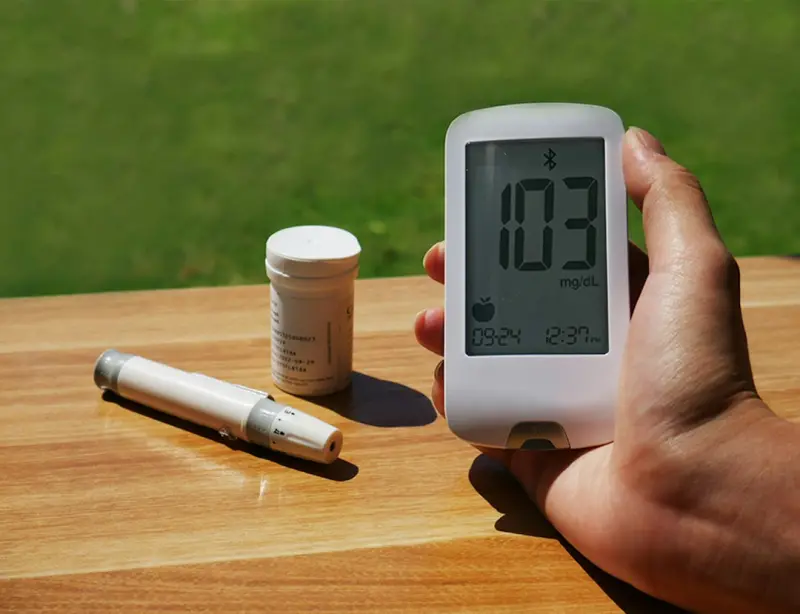
The Unseen Toll of Prediabetes on High‑Performance Professionals
Prediabetes quietly affects brain function, stress response, and productivity. This article reveals ... Read More

How Real‑Time Data and Community Support Empower Prediabetes Management
Explore a fresh, tech‑enabled approach to prediabetes that blends real‑time glucose tracking, co... Read More
Top Posts
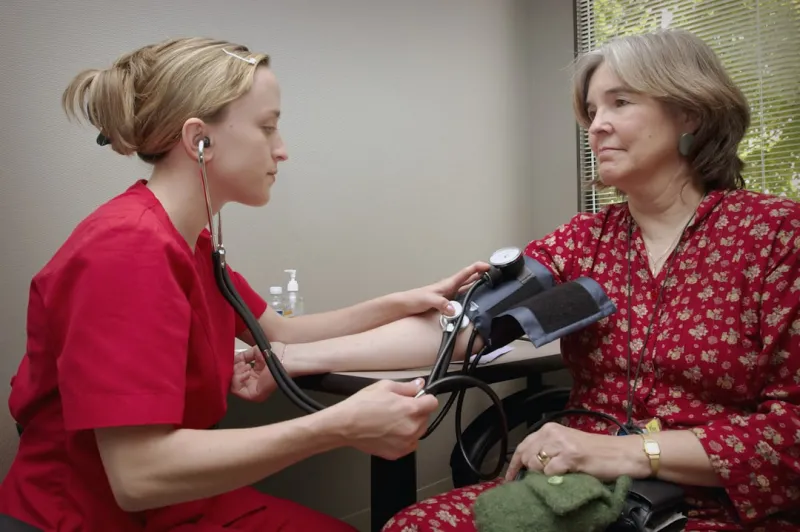
Mastering Blood Pressure Naturally
A personal, holistic guide to controlling blood pressure through diet, exercise, stress management, and sleep—plus practical tips and supportive resources for...Read More
Recharging Empathy: Turning Compassion Fatigue into Sustainable Strength
Learn how to identify early signs of compassion fatigue and use micro‑replenishment, strategic boundaries, purpose alignment, neuro‑fitness, and gut‑brain...Read More

Structured Daydreaming: A Secret Weapon for Mental Resilience
Learn why structured daydreaming—short, purpose‑driven mental breaks—can become a powerful tool for reducing burnout, enhancing creativity, and building m...Read More

Turning Up the Volume: How Sound Healing Amplifies Cancer Recovery
Explore the transformative power of sound healing in cancer care. From science-backed benefits to simple daily practices and community sound circles, learn how ...Read More
0 Comments
Post Comment
You will need to Login or Register to comment on this post!