
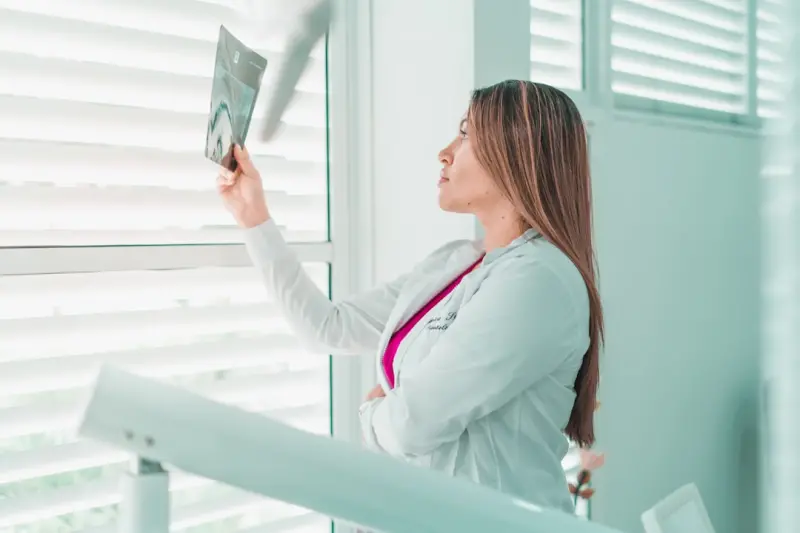
Why the Usual Stretch Routine Isn’t Enough for Desk Dwellers
When I first swapped my university lab coat for a clinic coat, I thought my biggest challenge would be helping athletes recover from high‑intensity training. Instead, I found my schedule filled with people who spent eight‑plus hours hunched over laptops, complaining of neck tension, lower‑back fatigue, and that vague “creaky” feeling that seems to get louder every time they stand up. The typical prescription—“stretch your hamstrings and do a few shoulder rolls”—felt like handing a band‑aid to a leaking pipe. It was a temporary fix, not a sustainable solution.
That realization pushed me to dig deeper into the science of movement, and I stumbled upon something that has reshaped my practice: micro‑movements. These aren’t the exaggerated yoga poses you see on Instagram; they’re tiny, intentional actions that keep the nervous system, muscles, and joints communicating throughout the day. Think of them as the background hum that prevents a system from going silent.
The Science Behind Tiny Motions
Our bodies are wired for constant adjustment. Even when we’re sitting, the spinal erectors, neck flexors, and deep core muscles are subtly firing to maintain posture. However, prolonged static positions cause muscular inhibition—a sort of “sleep mode” for the fibers. When a muscle stays dormant for too long, its proprioceptive feedback to the brain dulls, leading to poorer motor control, reduced circulation, and the dreaded “stiffness” that many of my clients describe.
Micro‑movements re‑activate these pathways without the need for a full‑blown workout. By engaging small muscle groups for a few seconds, you trigger:
- Neuromuscular re‑education: The brain relearns the correct firing pattern.
- Enhanced synovial fluid circulation: Joints receive nourishment, reducing wear.
- Improved venous return: Blood moves back toward the heart, lowering the risk of swelling and fatigue.
Research from occupational health labs shows that inserting brief, purposeful movements every 20‑30 minutes can cut reported discomfort by up to 40 % and improve overall productivity. It’s not a miracle cure, but it’s a practical, evidence‑backed strategy that fits into any workday.
Designing Your Personal Micro‑Movement Toolkit
Below is a step‑by‑step guide to building a routine that feels natural rather than forced. The goal is to create habit loops—small cues that trigger an action, which then reinforces the cue.
- Identify a cue: This could be a phone notification, the completion of a task, or even the sound of the coffee machine.
- Select a movement: Choose an action that targets a different body region than the one you’ve been using.
- Set a timer: Use a simple app or the built‑in clock on your computer to remind you every 20‑30 minutes.
- Track the feeling: After each micro‑movement, note any change in tension or awareness. Over time, you’ll see patterns emerge.
Here are five starter micro‑movements that take less than ten seconds each:
- Neck articulation: Gently tilt your head left, then right, holding each side for two seconds. Follow with a slow chin‑to‑chest and chin‑to‑sky motion.
- Thoracic spine wind‑mill: Sit tall, interlace your fingers behind your head, and rotate your upper back left‑right, keeping the hips stable.
- Seated hip opener: While seated, place your right ankle on your left knee, gently press down on the right knee, and feel the stretch in the outer hip. Switch sides.
- Wrist and finger mobilizer: Extend your arms, palms down, and spread each finger wide, then close into a gentle fist. Repeat three times.
- Micro‑squat pulse: Stand, lower into a half‑squat, and rise just enough to feel the glutes engage. Perform three quick pulses.
These movements can be performed at your desk, in a conference room, or even while waiting for a meeting to start. The key is consistency, not intensity.
Embedding Proprioceptive Cues Into Your Workspace
Proprioception—our sense of body position—often gets neglected in office environments. By adding subtle sensory cues, you can remind your brain to stay engaged.
- Texture pads: Place a thin, slightly uneven mat under your mouse pad. The gentle feedback encourages foot muscles to adjust.
- Visual markers: Keep a small, colorful object at eye level. When you glance at it, let it prompt a micro‑movement.
- Auditory triggers: Use a soft chime or a favorite song snippet as a cue for a quick mobility burst.
These low‑tech tricks align with the body’s innate desire for varied input, keeping the nervous system from slipping into monotony.
A Real‑World Example: From Desk‑Bound Fatigue to Fluid Motion
One of my clients, Maya, is a senior project manager who spends 10‑plus hours a day on her laptop. She arrived with chronic upper‑back tightness and occasional tingling down her forearms. After a comprehensive assessment, we introduced a micro‑movement protocol paired with proprioceptive cues.
Within two weeks, Maya reported:
- Reduced neck stiffness after each work session.
- Improved focus during long meetings.
- A noticeable decrease in forearm tingling.
Her secret? She set a subtle visual cue—her favorite coffee mug placed at the edge of her monitor—so that every time she refilled it, she performed a brief thoracic rotation and wrist mobilizer. The micro‑movements acted like a “reset button” for her nervous system, preventing the buildup of tension.
Technology as a Friendly Assistant, Not a Replacement
While the core of micro‑movement practice is low‑tech, a few digital tools can enhance adherence:
- Gentle reminder apps: Choose one that offers customizable sounds and intervals.
- Wearable posture trackers: Devices that vibrate when you slouch can serve as an additional cue for a quick shoulder roll.
- Movement logs: Simple spreadsheet templates let you record which cues you used and how you felt afterward.
Remember, technology should amplify awareness, not dominate it. The most effective habit remains the one you can execute without staring at a screen.
Bringing the Concept Into Group Settings
Micro‑movements aren’t limited to solo work. Team leaders can foster a culture of movement by:
- Designating a “movement minute” at the start of each meeting.
- Sharing a weekly “mobility tip” via the company newsletter.
- Creating a shared board where employees post their favorite micro‑movements.
When an entire team embraces these tiny actions, you’ll notice a shift in energy, reduced collective fatigue, and even a boost in collaborative problem‑solving.
Integrating Playful Movement for Long‑Term Success
While the focus here is on micro‑movements, the philosophy dovetails beautifully with the ideas explored in playful movement. By viewing each micro‑movement as a small act of curiosity, you transform a routine task into an opportunity for bodily exploration. This mindset shift can sustain motivation, turning the practice from a chore into a source of personal delight.
Final Thoughts: The Cumulative Power of Small Actions
In the world of physiotherapy, we often chase dramatic improvements—full ranges of motion, pain‑free days, return‑to‑sport timelines. Yet, for the majority of people whose bodies are primarily sedentary, the real game‑changer lies in the minute, consistent actions that keep the neuromuscular system humming.
If you’re ready to give your body the gentle, ongoing invitation it craves, start with a single cue today. Choose a moment, pick a movement, and honor the sensation that follows. Over weeks, those tiny sparks will weave together into a robust network of mobility, resilience, and comfort.
Remember, the goal isn’t to become a contortionist in a corporate office; it’s to stay fluid enough to meet the day’s demands without paying the hidden price of chronic tension. Your spine, joints, and brain will thank you.

Kelly Reynolds is a dynamic freelance writer hailing from the picturesque landscapes of Alberta. A master of the written word, she juggles her passion for storytelling with the exhilarating chaos of being a mother to five spirited children. With an impressive portfolio that spans various genres, Kelly captivates readers through her engaging blog posts and thought-provoking articles.
Related Posts
Movement in Motion: A Physiotherapy Blueprint for Hybrid Teams
A practical guide for hybrid teams to integrate micro‑movements, tele‑physio, and data‑driven ... Read More
The Intersection of Physiotherapy and Holistic Wellness: A Comprehensive Guide
Explore the connection between physiotherapy and holistic wellness, and learn how integrating these ... Read More
Wearable Tech Meets Physiotherapy: Crafting Data‑Driven Rehab Plans
Explore the rise of wearable technology in physiotherapy, from real‑time movement tracking to AIâ€... Read More
Top Posts
Calming the Midnight Alarm: A Practical Blueprint for Taming Sleep Terrors
A hands‑on guide to quieting the brain’s alarm system at night, using breath, grounding, and sensory tricks to finally put sleep terrors to rest....Read More
The Narrative Cure: Using Personal Storytelling to Build Mental Resilience
Learn to harness personal storytelling as a powerful tool for mental resilience, turning everyday stress into a narrative you can rewrite and control....Read More

Neuro‑Fitness: Building Brain Strength with Adaptive Learning Loops
Adopt a fitness mindset for your brain: discover micro‑learning sprints, adaptive difficulty, movement breaks, and low‑EMF workspaces that together boost fo...Read More

Eating Disorders: A Holistic Journey from Silence to Self‑Compassion
Tom Ferguson shares his transformative, whole‑self journey tackling eating disorders—blending mindful eating, internal detox, community support, and self‑...Read More
0 Comments
Post Comment
You will need to Login or Register to comment on this post!