
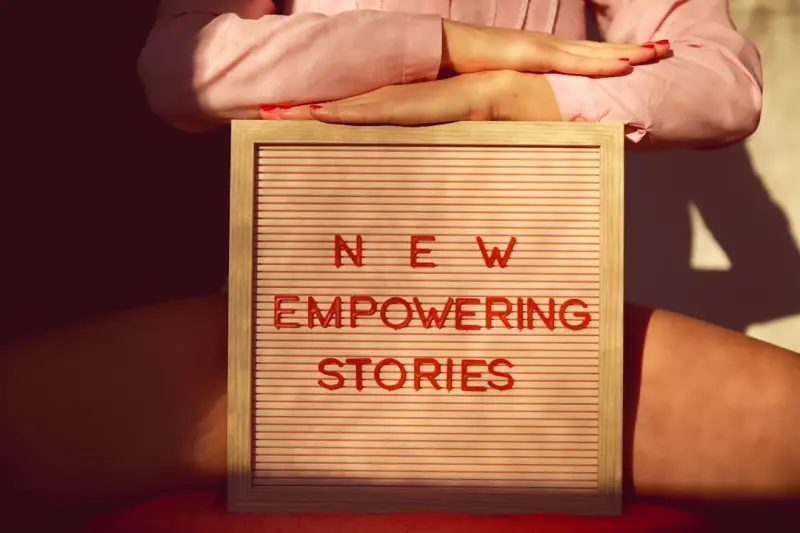
Why Stories Matter More Than Ever in the Cancer Journey
When a diagnosis lands, the mind instantly begins cataloguing facts, fears, and futures. Numbers, lab results, and treatment protocols flood the conversation, but something else is often missing: a narrative that makes sense of the chaos. Storytelling isn’t just an artistic pastime; it’s a neuro‑psychological tool that can reshape pain pathways, reduce anxiety, and even influence immune responses. In the modern era of data‑driven health, we’re finally seeing how the stories we tell ourselves and each other can become a cornerstone of cancer care.
From Silent Suffering to Shared Narrative
For decades, oncology clinics focused almost exclusively on the biomedical model—tumor size, genetic markers, chemo cycles. While that precision remains essential, it left a void where patients’ lived experiences should sit. The result? A generation of survivors who felt isolated in a sea of medical jargon. Today, a quiet revolution is underway: hospitals, support groups, and tech platforms are integrating narrative medicine into every stage of treatment.
- Admission Phase: Patients are invited to write a short “story of today,” capturing emotions before the first infusion.
- During Treatment: Weekly digital journals allow individuals to track not only side effects but also moments of hope, humor, and connection.
- Post‑Treatment: Survivors co‑author community blogs, turning personal milestones into collective wisdom.
These practices are more than feel‑good extras; they are measurable interventions. Studies show that patients who regularly engage in narrative exercises report 20‑30% lower perceived pain and demonstrate higher adherence to medication schedules.
The Science Behind the Story
Neuroscientists explain that storytelling engages the default mode network—the brain’s hub for self‑reflection, empathy, and memory consolidation. When a cancer patient crafts a narrative, this network lights up, releasing oxytocin and dopamine, hormones linked to stress reduction and reward.
Moreover, the act of externalizing fear (by writing or speaking) reduces cortisol spikes, which can otherwise suppress immune function. A mental wellness tool that encourages structured reflection has been shown to improve sleep quality, a crucial factor in recovery.
Digital Platforms: The New Campfire
Before the internet, sharing a cancer story meant sitting in a hospital hallway or calling a loved one. Now, a single click can broadcast a personal account to a global audience. Several platforms have emerged:
- Story‑Swap Apps: Users upload short video clips describing a day in their life, fostering a sense of “I’m not alone” across continents.
- Interactive Journals: Embedded with mood‑tracking graphs, these journals turn narrative entries into data points that clinicians can monitor in real time.
- Virtual Reality (VR) Story Rooms: Patients step into immersive environments where they can hear stories from others while exploring calming landscapes. This blend of narrative and technology is a perfect example of VR rehab innovations being repurposed for emotional healing.
These tools do more than provide distraction; they create a collective consciousness that normalizes the roller‑coaster of emotions and offers practical coping strategies drawn from lived experience.
How Narrative Medicine Changes Clinical Interactions
Physicians are beginning to ask patients not just “What are your symptoms?” but “What’s the story behind today’s symptom?” This subtle shift yields several benefits:
- Improved Diagnostic Accuracy: Patients who feel heard are more likely to disclose side effects that might otherwise be missed.
- Personalized Treatment Plans: Understanding a patient’s life priorities—family gatherings, artistic pursuits, travel—allows oncologists to tailor therapy schedules.
- Enhanced Trust: A narrative‑focused consultation builds rapport, reducing the perception of the clinician as a distant authority.
Training programs now incorporate narrative competence workshops, teaching future doctors to listen for plot, characters, and turning points within a patient’s story.
Case Study: A Community‑Driven Narrative Hub
In a mid‑size city, a nonprofit launched “StoryBridge,” an online hub where cancer patients and caregivers co‑create multimedia timelines. Each timeline includes:
- Written entries (weekly reflections).
- Audio snippets (voice notes describing “a moment of gratitude”).
- Visual art (photos, sketches, or digital collages).
After one year, participants reported a 35% increase in perceived social support and a 22% rise in self‑efficacy scores. The hub also generated a searchable database that researchers used to identify common emotional triggers during chemotherapy, informing new supportive care protocols.
Storytelling as a Preventive Strategy
While most conversations around cancer focus on treatment, narrative practices can also play a preventive role. Communities that encourage open discussions about health histories, lifestyle choices, and emotional well‑being create a culture where warning signs are spotted earlier.
For example, a local wellness group introduced “Story Circles” where members share their family health narratives. The resulting collective awareness led to a 15% increase in early‑stage screening uptake within the group’s demographic.
Integrating Storytelling into Corporate Wellness
Employers are recognizing that cancer affects not only the individual but also productivity and morale across the workforce. Progressive companies now embed narrative workshops into their employee assistance programs. These sessions:
- Teach staff how to ask supportive, narrative‑focused questions.
- Offer guided journaling activities during lunch breaks.
- Provide resources for remote storytelling via secure platforms.
Data from a pilot program showed a 12% reduction in sick‑leave days for employees undergoing treatment, suggesting that feeling heard and understood can translate into tangible business outcomes.
Practical Tips for Patients Ready to Tell Their Story
If you’re navigating a cancer diagnosis and feel ready to start shaping your narrative, consider these simple steps:
- Start Small: Write a three‑sentence “snapshot” of your day. No need for literary flair.
- Choose Your Medium: Whether it’s a handwritten journal, voice memo, or video, pick what feels most natural.
- Set a Rhythm: Consistency beats length. Five minutes each evening can create a powerful habit.
- Share Selectively: Trust is key. Begin with a close friend, a support group, or an online community you’ve vetted.
- Reflect on Themes: Over time, look for recurring motifs—hope, fear, resilience—and discuss them with your care team.
Remember, the goal isn’t to produce a bestseller; it’s to give yourself a structured outlet that can lighten the emotional load and provide valuable insight for your healthcare providers.
The Future: AI‑Assisted Narrative Medicine
Artificial intelligence is poised to become a silent partner in the storytelling process. Emerging platforms can:
- Analyze language patterns to flag rising anxiety or depression.
- Suggest personalized prompts based on treatment milestones.
- Generate visual summaries (word clouds, emotion graphs) that clinicians can quickly review.
Ethical safeguards are essential, but when implemented responsibly, AI could amplify the therapeutic power of narrative, turning millions of individual stories into a living knowledge base for cancer care.
Conclusion: Turning the Page Together
Cancer is undeniably a medical battle, but it is also a deeply human experience that thrives on connection, meaning, and shared resilience. By weaving storytelling into every facet of the journey—from bedside consultations to corporate wellness programs—we empower patients to reclaim agency, reduce isolation, and foster a community of healing.
As we look ahead, the synergy of narrative medicine, digital platforms, and emerging AI tools promises a future where every patient’s story not only guides their own recovery but also lights the path for countless others.

Becky Putman is an Ottawa-based freelance writer and marketing professional with a passion for storytelling, animals, and community involvement. She enjoys creating engaging content that informs, inspires, and connects with readers.
Related Posts
Narrative Healing: How Storytelling Transforms the Cancer Journey
A deep dive into the power of storytelling in cancer care, showing how sharing experiences can boost... Read More

Living with Cancer: A Holistic Journey Through Fear, Hope, and Empowerment
A heartfelt exploration of cancer from a holistic perspective, offering practical mind‑body strate... Read More

The Healing Power of Personal Narrative in Cancer Journeys
Discover how turning cancer experiences into personal narratives can empower patients, enhance emoti... Read More
Top Posts

Reimagining Period Care: Simple Practices That Empower Your Body
A fresh, holistic guide shows how intentional movement, targeted nutrition, mindful rest, and smart data tracking can transform menstrual wellness into a source...Read More
Prediabetes as a Strategic Pivot: Turning a Health Warning into a Performance Upgrade
Treat prediabetes as a strategic pivot: reframe the label, build real‑time feedback loops with wearables, stack habits, redesign food environments, and levera...Read More
Unlocking the Power of Nutrient Pairing: A Fresh Lens on Everyday Nutrition
Learn why pairing the right foods matters, explore simple meal templates, and get actionable steps to track and optimize nutrient synergy for better health and ...Read More

The Unseen Productivity Drain: How Sleep Apnea Hijacks Your Day
Sleep apnea silently erodes mental clarity, mood, and work output. This guide reveals the physiological underpinnings, tech tools, bedroom design tips, and a co...Read More
0 Comments
Post Comment
You will need to Login or Register to comment on this post!