
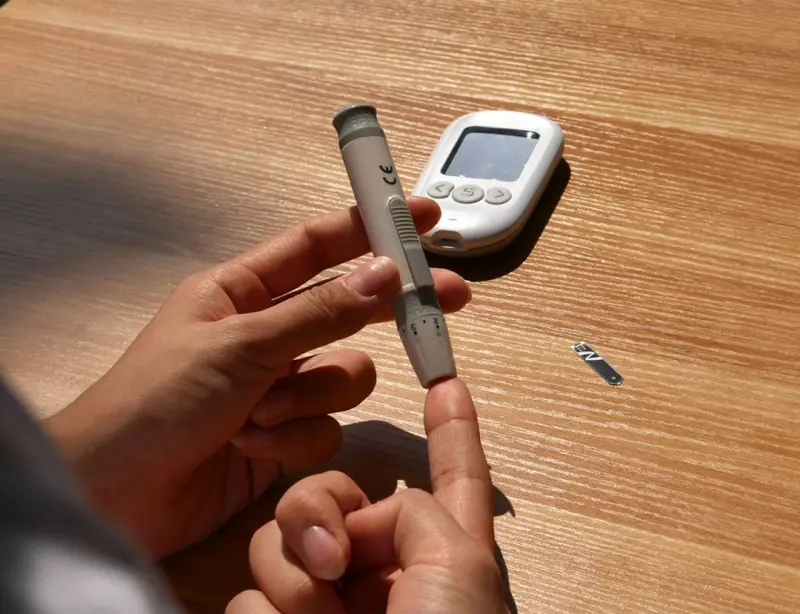
Prediabetes as a Strategic Pivot: Turning a Warning Sign into a Personal Performance Upgrade
When my routine blood work whispered “prediabetes,” I felt the same mix of curiosity and irritation that many high‑performers feel when a dashboard flashes a yellow warning. It isn’t a full‑blown crisis, but it’s a signal that something in the system is out of sync. Most people treat it as a nuisance to be brushed aside; I saw it as a data point begging for a redesign.
In this post I’ll walk through a framework that treats prediabetes not as a medical sentence, but as a strategic pivot—a chance to recalibrate habits, leverage emerging tech, and build a feedback loop that boosts overall performance. This isn’t a diet plan or a “quick fix.” It’s a mindset shift that aligns with the way modern professionals iterate on products: test, measure, and evolve.
1. Reframe the Narrative: From “Risk” to “Opportunity”
The first step is mental. The word “prediabetes” triggers a risk‑averse reaction because the healthcare system frames it as a precursor to disease. But in the world of high‑velocity teams, risk is a catalyst for innovation. By redefining the label as a performance signal, you unlock the motivation to act—much the same way a spike in latency prompts engineers to dig into logs.
- Identify the metric. Glucose isn’t just a number; it reflects how your diet, stress, sleep, and movement intersect.
- Set a baseline. Use a continuous glucose monitor (CGM) for at least two weeks to capture natural fluctuations without any intentional changes.
- Translate it. Turn the raw data into a personal KPI: “Maintain average post‑meal glucose < 140 mg/dL.”
This KPI becomes a new “north star” for health, similar to how a product team might track churn or activation rates.
2. Build a Real‑Time Feedback Loop with Wearables
Wearable tech has moved beyond step counts. Modern CGMs pair with smartphones to deliver minute‑by‑minute glucose curves. When you combine that with heart‑rate variability (HRV) and sleep trackers, you get a multi‑dimensional view of metabolic stress.
Here’s a simple loop you can implement today:
- Capture. Wear a CGM (or use a flash glucose monitor) and sync it with a health dashboard.
- Analyze. Set automated alerts for spikes >30 mg/dL within two hours of a meal.
- Act. When an alert fires, note the context: what you ate, stress level, activity, and environment.
- Iterate. After a week, review patterns and adjust one variable at a time—perhaps swapping a refined carb for a fiber‑rich alternative.
Because the loop is continuous, you’re never guessing. Each adjustment is data‑driven, and the system self‑optimizes, much like A/B testing a new feature.
3. Leverage “Habit Stacking” for Metabolic Resilience
In software development, we often stack middleware to handle requests efficiently. The same principle applies to habits: stack a low‑effort trigger onto an existing routine to create a cascade of metabolic benefits.
Examples:
- Post‑lunch walk + glucose check. After you finish eating, walk for ten minutes while the CGM records the glucose rise. The movement blunts the spike, and the data reinforces the habit.
- Morning hydration + electrolyte boost. Drink a glass of water with a pinch of sea salt before coffee. The added electrolytes improve cellular glucose uptake, and the routine anchors the habit to a familiar cue.
- Pre‑meeting deep breath + micro‑stretch. Before any video call, pause for three deep breaths and a quick neck stretch. This reduces acute stress‑induced cortisol, which is a hidden driver of glucose spikes.
Each stack builds on something you already do, minimizing friction and maximizing adherence.
4. Redesign Your Food Environment, Not Just Your Plate
Changing what you eat is only half the battle. The environment that shapes those choices often goes unnoticed. Think of it like redesigning a UI: the layout, color palette, and prompts dictate user behavior more than the underlying code.
Practical tweaks:
- Visual cues. Store whole‑grain crackers at eye level and hide refined carbs in the back of the pantry.
- Portion containers. Pre‑measure snack portions into reusable jars—no guesswork, no over‑indulgence.
- Meal prep schedule. Dedicate a two‑hour block on Sunday to batch‑cook protein and fiber‑rich sides. When weekday evenings are busy, the default becomes “grab a ready‑made, balanced container.”
These environmental hacks reduce decision fatigue and keep glucose stability top‑of‑mind without requiring constant willpower.
5. Harness Social Accountability Through Micro‑Communities
High‑performing teams thrive on peer accountability. You can replicate that by forming a micro‑community focused on prediabetes reversal. The community doesn’t have to be a massive forum; a Slack channel of 5‑10 colleagues who share daily glucose snapshots, recipe swaps, and short victory notes works wonders.
Why it works:
- Transparency. Knowing that peers will see your data encourages consistency.
- Collective learning. One member’s success with a specific snack can become a shared resource.
- Positive reinforcement. Small “wins” get celebrated, building momentum.
Think of this as a “scrum” for metabolic health—short stand‑ups (or quick messages) keep the focus sharp.
6. Integrate Cognitive Strategies: The “What‑If” Playbook
Our brains love narratives. By reframing glucose spikes as “what‑if” scenarios, you can anticipate and pre‑empt them. For instance, before a business lunch, ask yourself: “What if I replace the white roll with a seed‑crusted flatbread? How will that affect my post‑meal curve?” This mental rehearsal primes the brain to make healthier choices without feeling restrictive.
Research shows that imagined outcomes activate similar neural pathways as actual actions, boosting the likelihood of follow‑through. Pair this with a quick journaling habit: after each meal, note the imagined alternative and the actual outcome. Over weeks, patterns emerge, and the brain internalizes the healthier default.
7. Experiment with “Performance‑Focused” Interventions
While many articles tout cold showers or breathwork for glucose control, you can think of these as experimental variables in your personal optimization lab. Choose one low‑risk intervention, apply it consistently for two weeks, and measure its impact on your glucose curves.
For example, you might test the effect of a 10‑minute morning meditation on fasting glucose. Record baseline data, implement the meditation, and compare the results. If you notice a measurable reduction, you’ve added a new tool to your repertoire.
Remember, the goal isn’t to adopt every trendy hack, but to run controlled experiments that reveal what truly works for you.
8. Align Prediabetes Management with Career Goals
High‑performing professionals often track OKRs (Objectives and Key Results). Why not embed health metrics into that framework? Here’s a sample OKR:
Objective: Optimize metabolic health to sustain peak cognitive performance.
Key Results:
- Reduce average post‑meal glucose peak from 155 mg/dL to 130 mg/dL.
- Increase weekly minutes of moderate‑intensity activity from 90 to 150.
- Achieve 7‑8 hours of sleep on 5+ nights per week.
When health becomes a measurable objective alongside quarterly revenue goals, it earns the same strategic priority and resources.
9. Use Existing Content as a Knowledge Base
While the focus here is prediabetes, you don’t have to reinvent every piece of supporting knowledge. For instance, the principles behind Gamify Your Glucose can be adapted to turn your glucose data into a points‑based game that rewards consistency. Similarly, insights from Cold Showers & Breathwork can serve as experimental variables in your personal optimization lab—just ensure you test them systematically.
10. The Long‑Term Vision: From Prediabetes to Metabolic Mastery
Imagine looking back a year from now and seeing a transformed dashboard: fasting glucose consistently in the optimal range, HRV up, sleep metrics solid, and a habit stack that feels as natural as checking email. That’s the power of treating prediabetes as a strategic pivot.
The journey isn’t about “curing” a condition; it’s about engineering a more resilient, data‑driven version of yourself. When you approach health with the same rigor you apply to product development, you’ll discover that the line between personal well‑being and professional performance is thinner than you ever imagined.
Take the first step today: grab a CGM, set up a simple KPI, and start logging. The feedback will guide you, the community will support you, and the habit stacks will automate the work. In the world of high‑velocity professionals, the only thing faster than a market shift is a metabolic upgrade.

Brody Lambert is an emerging freelance writer whose fresh voice and thoughtful approach are quickly making their mark. As a fairly new entrant in the world of freelance writing, Brody brings a blend of curiosity and dedication that fuels every project, crafting stories and content that resonate with authenticity and clarity.
Related Posts

Habit Stacking for Prediabetes: Tiny Wins, Big Gains
Learn a practical habit‑stacking framework that uses micro‑movements, nutrition tweaks, and stre... Read More

Beyond the Scale: Unconventional Paths to Reversing Prediabetes
A fresh take on prediabetes that blends flavor chemistry, playful movement, supportive environments,... Read More

Prediabetes as a Cognitive Performance Signal: Turning Metabolic Data Into Actionable Insight
Prediabetes isn’t just a blood‑sugar warning; it subtly impairs cognition and decision‑making.... Read More
Top Posts

Reclaiming Rhythm: How Small Everyday Shifts Empower Women’s Hormonal Health
This article reveals how tiny daily actions—like desk micro‑movements, mindful commuting, and simple nutrition tweaks—can harmonize hormones, improve slee...Read More

Turning Data Into Hope: How Personal Metrics Empower Cancer Journeys
Personal health metrics give cancer patients a powerful voice in their care, enabling better treatment decisions, symptom management, and emotional resilience....Read More

When Breath Becomes a Bottleneck: How Sleep Apnea Sabotages Executive Decision‑Making
Untreated sleep apnea silently undermines the brain’s executive functions, affecting focus, risk assessment, and strategic choices. Learn how modern diagnosti...Read More
Beyond the Clinic: How Wearable Tech Is Revolutionizing Physiotherapy Prehab
Discover the power of wearable technology in physiotherapy prehab, from real‑time feedback to AI‑guided injury prevention, and learn how it can accelerate y...Read More
0 Comments
Post Comment
You will need to Login or Register to comment on this post!