
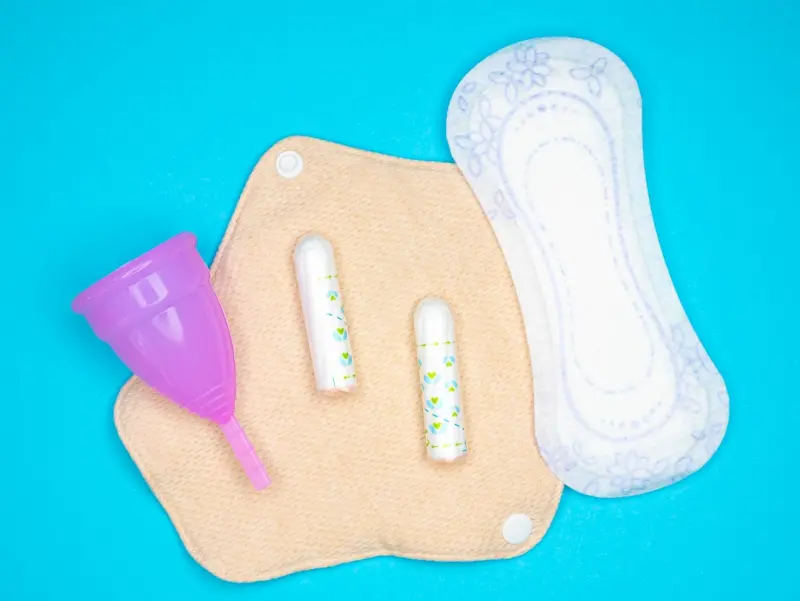
When I first started tracking my cycle in my twenties, it felt like stepping onto a foreign planet. I was armed with a basic calendar, a vague hope that I’d notice patterns, and a lingering belief that my period was something to endure, not to understand. Years later, after countless conversations with friends, clinicians, and a few well‑placed experiments in my own routine, I’ve realized that menstrual wellness is less about grand gestures and more about the quiet, cumulative choices we make every day.
Why the Conversation About Period Care Is Changing Now
For generations, the narrative around menstruation was dominated by scarcity—limited product options, stigmatized language, and a medical model that often treated symptoms in isolation. Today, the tide is turning. Women are demanding transparency, personalized care, and tools that respect the natural rhythms of their bodies. This shift isn’t just cultural; it’s backed by emerging science that shows how lifestyle, environment, and even technology can modulate hormonal balance and symptom severity.
The Core Pillars of Modern Period Care
To move beyond the “one‑size‑fits‑all” approach, I break menstrual wellness into four interconnected pillars. Each pillar offers practical actions you can start today, no special equipment required.
- Movement with Purpose – Not just cardio, but targeted flows that support pelvic health.
- Nutrient Timing – Aligning meals with hormonal phases for steadier energy.
- Mindful Rest – Leveraging sleep and relaxation to smooth mood swings.
- Data‑Informed Self‑Care – Using low‑tech tracking or wearables to spot trends before they become problems.
1. Move Like Your Cycle Dictates
During the follicular phase (the first half of your cycle), estrogen rises, boosting stamina and mood. It’s an ideal window for strength training, high‑intensity intervals, or learning a new skill. Conversely, the luteal phase brings a surge of progesterone, which can increase body temperature and trigger a subtle shift toward endurance rather than explosive power.
Here’s a simple weekly framework you can try:
- Days 1‑7 (Early Follicular): Light yoga or brisk walks to kick‑start circulation.
- Days 8‑14 (Mid‑Follicular): Moderate‑to‑high intensity strength sessions—think squats, deadlifts, or body‑weight circuits.
- Days 15‑21 (Ovulatory): Peak performance window. Schedule that challenging class, race, or personal best attempt.
- Days 22‑28 (Luteal): Lower‑impact cardio, Pilates, or restorative yoga to honor your body’s natural inclination toward recovery.
These adjustments don’t have to be rigid. The goal is to listen and respond, turning what many call “cramps” into a cue for movement that actually eases discomfort.
2. Eat with Your Hormones, Not Against Them
Food is the most direct way we influence hormone synthesis. A diet rich in phytoestrogens (like flaxseeds, soy, and chickpeas) can help smooth out estrogen dips, while magnesium‑dense foods (dark leafy greens, pumpkin seeds, and dark chocolate) support progesterone production and reduce bloating.
Try the “phase‑plate” method: create three distinct meal plates—one for each major phase of your cycle.
- Follicular Plate: Emphasize complex carbs and lean protein (quinoa, salmon, berries) to fuel rising energy levels.
- Ovulatory Plate: Add a splash of healthy fats (avocado, nuts, olive oil) to support the estrogen peak.
- Luteal Plate: Focus on magnesium and omega‑3s (spinach, walnuts, sardines) to calm PMS symptoms.
These plates are flexible, but they give you a roadmap to avoid the “sugar crash” many experience mid‑cycle.
3. Master the Art of Mindful Rest
Sleep isn’t just a passive state; it’s a hormone‑balancing powerhouse. During deep sleep, the body produces growth hormone and regulates cortisol—both critical for menstrual health. If you’re struggling with insomnia or fragmented sleep, consider a “sleep‑hygiene audit” before reaching for medication.
Key audit items:
- Screen Curfew: Turn off blue‑light devices at least one hour before bedtime.
- Temperature Control: Keep the bedroom slightly cool (around 65°F/18°C) to encourage melatonin release.
- Breath Work: 4‑7‑8 breathing or a short guided meditation can lower heart rate and prime the nervous system for rest.
If you need a deeper dive into syncing rhythms, check out the insights from Sync Your Body Clock to Calm Blood Pressure. The same principles that stabilize blood pressure also harmonize menstrual hormones.
4. Harness Data Without Getting Overwhelmed
We live in an era where a wristband can tell you your heart rate variability, sleep stages, and even skin temperature. While not every woman needs a full‑blown fertility tracker, simple data points can illuminate patterns you might otherwise miss.
Start with a low‑tech approach:
- Mark the first day of bleeding on a physical calendar.
- Note three symptom categories each day: pain, mood, energy.
- At the end of the month, review for clusters—e.g., “low energy + cravings on days 22‑24.”
If you prefer tech, many mainstream wearables now integrate menstrual tracking alongside sleep and activity data. The key is to use the data as a guide, not a verdict. When you notice a recurring spike in heart rate variability during the luteal phase, for example, it may signal heightened stress, prompting a deliberate relaxation practice.
Insurance Can Be an Ally, Not a Barrier
One of the biggest hidden hurdles for women seeking comprehensive period care is navigating insurance coverage. Many policies treat menstrual products as “non‑essential” or exclude certain therapies (like pelvic floor physical therapy) as “experimental.” Yet, a proactive approach to coverage can unlock resources that dramatically improve quality of life.
Here’s how to become a savvy advocate:
- Know Your Benefits: Log into your portal and search for “preventive care,” “women’s health,” or “chronic condition management.”
- Ask for a Letter of Medical Necessity: If a clinician recommends a therapy (e.g., acupuncture for dysmenorrhea), request written justification to submit for pre‑approval.
- Leverage Flexible Spending Accounts (FSAs): Menstrual products, supplements, and even certain over‑the‑counter pain relievers can be reimbursed.
For a deeper look at turning insurance into a proactive health tool, see The Untapped Power of Health Insurance for Preventive Wellness. Treat your policy as an extension of your self‑care toolkit, not a bureaucratic obstacle.
Micro‑Adventures for Cycle Support
While “micro‑adventures” might sound like a travel blog buzzword, they’re actually tiny, intentional experiences that reset the nervous system—a perfect antidote for menstrual mood swings or low‑energy days. Think of them as “reset buttons” that fit into a busy schedule.
Examples you can try during any phase:
- Follicular Boost: A 15‑minute nature walk with a camera—capture blooming flowers, let the colors lift your mood.
- Luteal Calm: A short pottery session or clay kneading—hands‑on tactile work releases serotonin.
- Ovulatory Celebration: A mini dance‑party at home—move to your favorite track for 5 minutes, harness that natural confidence surge.
These brief experiences not only provide mental relief but also stimulate circulation, which can reduce bloating and cramping.
Putting It All Together: A 30‑Day Cycle Blueprint
Below is a sample calendar that integrates the four pillars. Feel free to adjust based on your own cycle length (most people fall between 24‑35 days).
| Day | Movement | Nutrition | Rest & Mindfulness | Data / Check‑In |
|---|---|---|---|---|
| 1‑5 | Gentle yoga or walking | Follicular Plate | Screen curfew, 7‑8 hrs sleep | Mark period start, note pain level |
| 6‑10 | Strength training (moderate) | Follicular Plate | 5‑min breath work before bed | Track energy & mood |
| 11‑14 | Peak cardio or HIIT | Ovulatory Plate | Morning sunlight exposure | Notice any heightened confidence |
| 15‑19 | Low‑impact Pilates | Ovulatory Plate | Evening stretch routine | Record any cramp reduction |
| 20‑24 | Restorative yoga or walking | Luteal Plate | Evening journal (gratitude) | Check sleep quality |
| 25‑28 | Light mobility drills | Luteal Plate | Guided meditation 10 min | Log any PMS symptoms |
This framework is a living document. As you gather data and notice what resonates, swap out activities, adjust food portions, or extend rest periods. The ultimate aim is a cycle that feels supportive, not punitive.
Common Myths Debunked
Myth 1: “Periods Are a Sign of Weakness.” In reality, the shedding of the uterine lining is a hormonally driven, highly regulated process. Strengthening the pelvic floor and supporting hormonal balance can actually make periods feel lighter and less disruptive.
Myth 2: “You Must Eliminate All Caffeine.” Moderate caffeine (under 200 mg per day) isn’t inherently harmful. However, timing matters—avoid caffeine within six hours of bedtime to protect sleep quality.
Myth 3: “All Women Experience Severe Cramps.” Pain perception varies widely. Targeted movement, magnesium intake, and heat therapy can dramatically reduce cramp intensity for many who previously thought it was inevitable.
When to Seek Professional Help
Self‑care is powerful, but it isn’t a substitute for medical evaluation when red‑flag symptoms appear. Schedule an appointment if you notice:
- Bleeding that lasts longer than 8 days.
- Sudden weight loss or gain without lifestyle changes.
- Severe, unrelenting pain that disrupts daily activities.
- Changes in menstrual flow that are drastic and unexplained.
A collaborative approach—combining lifestyle tweaks with evidence‑based medical interventions—offers the most comprehensive relief.
Final Thoughts: Your Cycle, Your Compass
Every woman’s cycle is a unique conversation between brain, hormones, and body. By honoring its rhythm through intentional movement, nutrient timing, restorative rest, and mindful data tracking, you transform a monthly inconvenience into a source of insight and empowerment. Think of your period not as a hurdle, but as a compass that points you toward the adjustments your body craves.
So, the next time you see the calendar turn to day 1, greet it with curiosity, not dread. Slip on those comfortable shoes, brew a cup of magnesium‑rich tea, log a quick note, and step into a day designed by your own biology.

Tammy French is a Montessori Teaching Assistant and freelance writer passionate about education, creativity, and inspiring lifelong learning through engaging content.
Related Posts
Perimenopause at Work: Turning the Change into a Competitive Edge
Perimenopause can affect focus, mood, and energy at work. This article explains the science behind t... Read More

Period Power: Harness Your Cycle for Health & Performance
Discover how syncing your diet, workouts, and mental practices with each phase of your menstrual cyc... Read More

Finding Balance Among the Trees: Forest Bathing for Women’s Hormonal Health
Forest bathing offers women a natural way to lower cortisol, improve menstrual regularity, ease PMS,... Read More
Top Posts

Rethinking Menstrual Health: How Workplace Rhythm Impacts Women’s Wellness
The modern 9‑to‑5 often clashes with women's natural hormonal cycles, leading to irregular periods and heightened symptoms. This article reveals the science...Read More

The Social-First Weight Loss Blueprint: Turning Friends into Fitness Fuel
Weight loss thrives when you turn friends into your fitness fuel. Learn to build a supportive tribe, gamify habits, and celebrate non‑scale victories for last...Read More

Unlocking a Holistic Weight‑Loss Journey: My Path to Lasting Change
A personal, holistic guide to weight loss that goes beyond the scale, focusing on mindset, nutrition, movement, detox, and sleep for lasting transformation....Read More

How Real‑Time Data and Community Support Empower Prediabetes Management
Explore a fresh, tech‑enabled approach to prediabetes that blends real‑time glucose tracking, community accountability, and holistic lifestyle tweaks for la...Read More
0 Comments
Post Comment
You will need to Login or Register to comment on this post!