

Why Sleep Apnea Is the Silent Saboteur of Your Professional Edge
When we talk about performance optimization, the conversation usually lands on tools, data, and habits that happen while we’re awake. Yet a growing body of evidence shows that the biggest leverage point for high‑achievers often lies in the 4‑to‑6 hours we spend with our eyes closed. If you’ve ever felt that “fog” creeping in after a night of restless breathing, you’re experiencing the direct impact of sleep apnea—a condition that quietly erodes focus, decision‑making, and even your body’s ability to recover from stress.
The Physiology You Can’t Afford to Ignore
Obstructive sleep apnea (OSA) occurs when the muscles at the back of the throat intermittently collapse, briefly cutting off airflow. Those micro‑arousals happen dozens—or even hundreds—of times per night, each one sending a surge of adrenaline that spikes heart rate, spikes cortisol, and fragments the restorative stages of sleep. The result? A chronic state of “sleep debt” that feels like a low‑grade caffeine binge without the buzz.
What many professionals don’t realize is that this isn’t just a “snoring problem.” It’s a neuro‑endocrine cascade that reshapes the brain’s default mode network, the same circuitry responsible for creative insight and strategic planning. When OSA goes untreated, the brain’s ability to transition smoothly from deep (slow‑wave) sleep to REM—the stage where emotional memory is consolidated—is compromised. The downstream effect is poorer memory retention, slower reaction times, and a heightened emotional reactivity that can sabotage negotiations, presentations, and everyday collaboration.
Beyond the Mattress: How Your Workspace Amplifies the Issue
Most of us design our offices for ergonomics, lighting, and aesthetics, but rarely consider the after‑effects of a night spent battling breathing interruptions. The modern office—open‑plan, high‑stimulus, and often “always‑on”—can magnify the fatigue left over from a poor night’s sleep. Here’s a quick diagnostic checklist you can run during a typical workday:
- Microsleeps—brief lapses of consciousness that can last up to 10 seconds. If you catch yourself nodding while reading an email, you’re likely in the zone.
- Decision fatigue—a noticeable drop in the quality of choices after lunch, as the brain’s glucose reserves dwindle.
- Elevated blood pressure—a subtle but measurable increase that can be detected with a simple cuff at the office health station.
- Inconsistent heart‑rate variability (HRV)—a sign that the autonomic nervous system is stuck in a sympathetic (fight‑or‑flight) mode.
If any of these symptoms ring true, it’s time to consider that sleep apnea may be the hidden variable pulling down your performance.
Tech‑Driven Detection: Turning Data Into a Sleep Strategy
In the age of quantified self, you don’t need to rely on a bulky overnight polysomnography at a sleep clinic to get actionable insights. Wearable devices that track SpO₂, respiratory rate, and movement have become sophisticated enough to flag potential apnea events with a high degree of accuracy. When paired with AI‑driven analytics, these data streams can produce a nightly “apnea score” that you can review alongside your productivity metrics.
Integrating this data into your existing performance dashboard allows you to see, for example, that a dip in sprint velocity on a Monday correlates with a spike in apnea events the previous night. Over time, patterns emerge that help you adjust variables like bedtime, bedroom temperature, and even dietary choices to minimize disruptions.
For those who love a gamified approach, consider using the same platform that powers virtual reality rehab experiences. Some companies are now offering “sleep quests” where you earn points for maintaining optimal SpO₂ levels, completing breathing exercises, and sticking to a consistent sleep schedule. The competitive element keeps you engaged, and the data‑backed feedback loop gives you a clear path to improvement.
Designing a Sleep‑Friendly Bedroom Without Sacrificing Style
Most professionals think they need a high‑tech bedroom full of gadgets to fix sleep apnea. In reality, the most effective changes are often the simplest:
- Elevate the head of the bed by 4–6 inches. This reduces the gravitational pull that collapses the airway.
- Invest in a breathable mattress and pillow that promote proper spinal alignment. Memory foam or hybrid models with cooling gel can keep your airway unobstructed.
- Control ambient temperature—the sweet spot is 60‑67°F (15‑19°C). Cooler air improves muscle tone in the throat.
- Eliminate allergens—dust mites and pet dander can inflame the nasal passages, worsening apnea. Use hypoallergenic covers and vacuum regularly.
- Incorporate a white‑noise machine—but not for “silencing the noise” as some of our other posts suggest; rather, to mask sudden awakenings that can jolt you out of deep sleep.
By treating your bedroom as a performance lab—where you control variables, test outcomes, and iterate—you can dramatically reduce apnea severity without a prescription.
Nutrition, Timing, and the Apnea Connection
While it’s tempting to reach for a caffeine boost after a restless night, strategic nutrition can do more to stabilize breathing patterns. Heavy meals, especially those high in saturated fats, can relax the muscles of the throat and exacerbate airway collapse. Instead, aim for a light dinner composed of lean protein, complex carbs, and a modest portion of healthy fats.
Timing matters, too. Consuming a large amount of fluid right before bed leads to nocturnal awakenings for bathroom trips, which fragment sleep and increase the chance of apnea episodes. A practical rule of thumb is to finish your last substantial meal at least three hours before lights‑out and limit liquids to a modest glass of water.
These principles dovetail nicely with the ideas explored in When Timing Beats Ingredients, where the emphasis is on aligning eating patterns with circadian rhythms for maximal health benefits.
The Mental Health Ripple Effect
Untreated sleep apnea doesn’t just impair cognitive function; it can also be a catalyst for mood disorders. The chronic hypoxia (low oxygen) that occurs during apnea episodes triggers inflammation, which is linked to depressive symptoms and anxiety. Moreover, the constant fatigue can erode your resilience, making it harder to bounce back from setbacks.
For professionals who thrive on emotional intelligence, this hidden mood swing can be particularly damaging. You may notice a reduced capacity for empathy during client calls, or an increased irritability that strains team dynamics. Addressing apnea is therefore not just a physical health move—it’s a strategic mental health investment.
Action Plan: From Diagnosis to Daily Optimization
Below is a step‑by‑step framework you can adopt this week:
- Screen Yourself: Answer a quick questionnaire about snoring, morning headaches, and daytime sleepiness. If you score above a certain threshold, move to the next step.
- Collect Data: Wear a sleep‑tracking device for a minimum of five nights. Export the data to your productivity dashboard.
- Consult a Specialist: Share the data with a sleep physician. Many offices now offer tele‑consults that can expedite the diagnosis process.
- Trial Positional Therapy: Use a wedge pillow or a positional alarm to discourage sleeping on your back.
- Integrate Lifestyle Tweaks: Apply the bedroom design tips, nutrition timing, and fluid management strategies outlined above.
- Iterate: After four weeks, re‑run the data analysis. Look for reductions in apnea events and corresponding improvements in work metrics.
- Scale the Success: Share your results with your team or leadership. When you demonstrate a clear ROI—higher productivity, fewer sick days—you set the stage for broader organizational support for sleep health initiatives.
Future‑Proofing Your Career With Sleep Intelligence
In a world where AI and automation are reshaping the nature of work, the differentiator for human talent will increasingly be cognitive agility, creativity, and emotional acuity—all of which hinge on high‑quality sleep. By taking proactive steps to identify and manage sleep apnea, you’re not just improving your health; you’re future‑proofing your career.
Think of sleep as the ultimate operating system update. If you skip it, you’ll run slower, crash more often, and miss critical patches. Embrace the data, apply the ergonomic fixes, and treat your nights with the same rigor you apply to your daily stand‑ups. Your brain, heart, and bottom line will thank you.

Related Posts
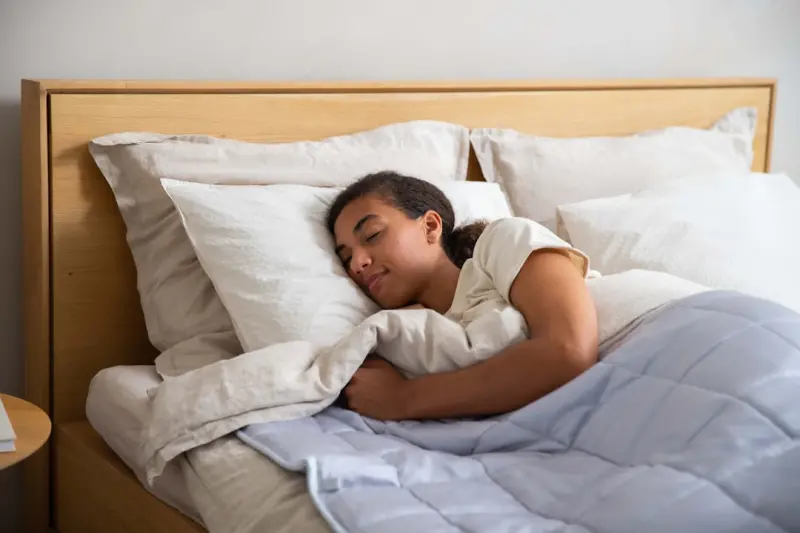
The Silent Productivity Drain: How Sleep Apnea Impacts Performance and What Leaders Can Do
Untreated sleep apnea quietly erodes focus, decision‑making, and stamina, costing companies in los... Read More

Breathing Business: How Untreated Sleep Apnea Undermines Executive Performance
Untreated sleep apnea erodes executive decision‑making, emotional stability, and long‑term healt... Read More

Breathing New Life into Sleep Apnea Management
Explore a fresh, breath‑focused approach to sleep apnea that blends simple techniques, lifestyle t... Read More
Top Posts

The Intersection of Aging and Chronic Health Conditions: A Holistic Approach to Senior Health
A holistic approach to senior health involves addressing physical, emotional, and social needs to manage chronic conditions and improve wellbeing. Learn how to ...Read More

Gut‑Driven Glucose: Harnessing Your Microbiome to Stabilize Blood Sugar
A deep dive into how the gut microbiome shapes glucose metabolism, with actionable diet, timing, and supplement strategies to keep blood sugar steady and improv...Read More
Navigating Narcolepsy: Creative Strategies for a Balanced Life
A personal guide to thriving with narcolepsy through smart scheduling, tech, nutrition, and supportive community—turning challenges into sustainable strengths...Read More

Breaking the Night: My Personal Roadmap to Reclaiming Sleep
A personal, holistic guide to overcoming insomnia—revealing hidden triggers, mindful habits, and mindset shifts that turn sleepless nights into restorative re...Read More
0 Comments
Post Comment
You will need to Login or Register to comment on this post!