
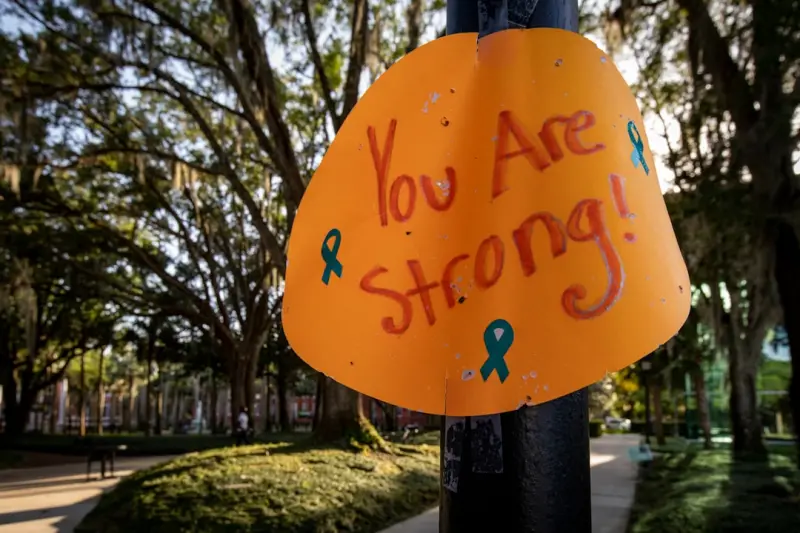
When I first walked into the oncology ward as a volunteer, I expected the room to be filled with sterile charts and the hum of machines. Instead, I heard something far louder: the cadence of lived experience—stories of fear, hope, resilience, and transformation. Those narratives weren’t just background noise; they were the beating heart of every patient’s journey. It struck me then that cancer, for all its clinical complexity, is equally a story waiting to be told, reshaped, and shared.
Why Stories Matter in the Cancer Landscape
We’ve all heard the phrase “knowledge is power.” In the context of cancer, knowledge takes on a dual form: the hard‑won scientific data and the softer, equally vital, lived experience of patients and caregivers. While clinical trials map the terrain of treatment efficacy, personal narratives illuminate the emotional topography that data alone cannot capture.
Storytelling serves three core functions:
- Meaning‑making: Patients translate abstract diagnoses into personal chapters, allowing them to reclaim agency.
- Community building: Shared stories forge connections, turning isolation into solidarity.
- Advocacy amplification: When a single voice resonates, it can catalyze policy shifts, funding streams, and research priorities.
In my work with patient support groups, I’ve seen how a well‑crafted narrative can shift a person’s outlook from “I am a victim” to “I am a narrator of my own story.” That shift, subtle as it may seem, has measurable effects on adherence to treatment, mental health outcomes, and even survival rates.
The Science Behind Narrative Medicine
Emerging research in the field of narrative medicine shows that storytelling engages brain networks associated with empathy, memory consolidation, and stress regulation. When patients recount their experiences, the brain releases oxytocin—a hormone linked to trust and social bonding. This biochemical response can mitigate the physiological stress response that often exacerbates treatment side‑effects.
Neuroimaging studies reveal that listening to personal stories activates the mirror neuron system, fostering empathy not only among peers but also between patients and their care teams. This heightened empathy translates into more personalized communication, better symptom management, and a stronger therapeutic alliance.
Moreover, the act of writing or speaking about one’s journey can serve as a form of expressive therapy, reducing cortisol levels and improving immune function—critical factors for anyone navigating the rigors of chemotherapy, radiation, or immunotherapy.
Building a Narrative Community: From Local Meet‑Ups to Digital Platforms
Community is the crucible where stories are refined and amplified. While traditional support groups have long been a staple, the digital age offers unprecedented avenues for narrative exchange.
Consider the rise of moderated online forums where patients can post audio diaries, video testimonies, or even illustrated timelines of their treatment journey. These platforms enable:
- Cross‑geographic peer mentorship, connecting newly diagnosed individuals with seasoned survivors.
- Real‑time feedback loops for clinicians, who can glean insights into patient concerns that may not surface during appointments.
- Data aggregation for researchers, who can identify recurring themes that signal gaps in care.
In one pilot program I consulted on, participants who engaged weekly in a virtual storytelling circle reported a 30% reduction in self‑reported anxiety scores. The simple act of being heard—and hearing others—created a ripple effect of resilience.
Practical Ways to Harness Storytelling in Your Cancer Journey
If you’re wondering how to weave narrative into your own or a loved one’s cancer experience, here are some actionable steps:
- Start a journal, but make it yours. Forget the clinical jargon—write about the smells, sounds, and emotions that accompany each treatment day.
- Host a “Story Night.” Invite friends, family, and fellow patients to share a brief anecdote over a relaxed setting. The informal vibe encourages authenticity.
- Leverage creative mediums. Poetry, collage, music, or even cooking can serve as narrative vessels. For instance, exploring community cooking as a therapeutic practice can transform meals into storytelling rituals, turning the kitchen into a sanctuary of shared memories.
- Record and share. A short video diary can become a powerful tool for personal reflection and a resource for others navigating similar pathways.
- Collaborate with clinicians. Ask your oncology team if they have a patient‑story program. Some hospitals now integrate narrative sessions into standard care plans.
Integrating Storytelling with Existing Care Pathways
Healthcare systems are increasingly recognizing the value of narrative medicine, but integration often stalls at the concept stage. To move beyond talk, institutions can embed storytelling into three pivotal touchpoints:
- Initial diagnosis appointments: Offer patients a brief, guided narrative exercise to articulate their feelings and expectations.
- Treatment planning meetings: Include a “patient voice” segment where survivors share what mattered most to them during similar phases.
- Post‑treatment survivorship clinics: Facilitate group storytelling circles that help individuals transition from active treatment to long‑term follow‑up.
When these practices are standardized, they become part of the clinical workflow, not an optional add‑on. The result is a more holistic care model that addresses both the physiological and psychosocial dimensions of cancer.
The Business Angle: Advocacy, Funding, and Policy Influence
Beyond personal healing, storytelling wields significant power in the realm of advocacy. A compelling narrative can sway donors, inspire philanthropists, and catch the eye of policymakers. In my experience, fundraising campaigns anchored in authentic patient stories consistently outperform those that rely solely on statistics.
Here’s how to harness narrative for impact:
- Craft a “story kit.” Assemble short video clips, quotes, and photos that encapsulate the patient’s journey. Keep it concise—policy makers often have limited time.
- Align with broader movements. Tie individual stories to larger themes, such as access to precision oncology or survivorship care planning.
- Leverage media partnerships. Collaborate with local news outlets or podcasts. An interview that captures raw emotion can reach millions.
Even the realm of corporate social responsibility can benefit. Companies looking to demonstrate genuine impact can sponsor narrative workshops, fund storytelling platforms, or support research that evaluates the outcomes of narrative interventions.
Connecting Narrative with Other Healing Modalities
Storytelling does not exist in isolation; it can amplify the benefits of other supportive therapies. For instance, research shows that music can lower blood pressure and promote relaxation. Incorporating music and rhythm into storytelling sessions—like background instrumental tracks during a group narrative circle—creates a multisensory experience that deepens emotional processing.
Similarly, mindful movement practices such as gentle yoga or tai chi can be paired with narrative reflection, allowing patients to embody the stories they share, fostering a holistic mind‑body connection.
Challenges and Ethical Considerations
While the benefits are compelling, it’s essential to navigate storytelling with care:
- Privacy: Obtain explicit consent before sharing any personal narrative publicly. Anonymize details when necessary.
- Representation: Ensure diverse voices are included—different ages, cultures, cancer types, and socioeconomic backgrounds.
- Emotional safety: Facilitate storytelling in environments where participants feel supported and where mental health professionals are available if intense emotions surface.
Balancing authenticity with responsibility safeguards both the storyteller and the audience.
Looking Ahead: The Future of Narrative Oncology
Artificial intelligence and natural language processing are beginning to analyze large corpora of patient stories, identifying patterns that could inform future research—like common side‑effects that aren’t captured in clinical trials or emergent coping strategies that improve quality of life. Imagine a future where a clinician can quickly pull a “story summary” for a new diagnosis, providing a nuanced, patient‑centered perspective alongside the medical chart.
Yet, technology should never replace human connection. The core of narrative medicine remains the shared, lived experience. As we move forward, the challenge will be to integrate digital tools without losing the intimacy that makes storytelling so transformative.
Takeaway: Your Story Is a Catalyst
Whether you’re a patient, caregiver, clinician, or advocate, remember that your story holds the power to heal, to connect, and to drive change. By consciously weaving narrative into the fabric of cancer care, we not only enrich individual journeys but also shape a more compassionate, informed, and effective oncology ecosystem.

Jessica Hall is a dynamic freelance writer based in the vibrant city of London, Ontario. As a dedicated single mom, she expertly juggles the demands of parenthood with her passion for storytelling, crafting compelling narratives that resonate with readers. With a background in retail, Jessica brings a unique perspective to her writing, infusing her work with insights drawn from her experiences
Related Posts

When Cancer Meets the Boardroom: Protecting Your Career While Navigating Treatment
A senior professional shares how to negotiate career demands while undergoing cancer treatment, offe... Read More
Beyond the Diagnosis: Redefining Work Culture for Cancer Warriors
This article offers a comprehensive playbook for leaders and teams to transform workplace culture, p... Read More

Reimagining Cancer Care: A Holistic Playbook for Personal Empowerment
A fresh perspective on cancer care that blends environmental awareness, microbiome nutrition, purpos... Read More
Top Posts

Living Through Sleep Terrors: A Holistic Blueprint for Nighttime Peace
Paul Gray shares his personal journey from night‑time panic to restorative sleep, offering a holistic blueprint that merges nutrition, movement, and emotional...Read More
Turning Cancer Into a Canvas: Creative Paths to Healing
Discover how integrating creative practices—writing, visual arts, music, and movement—can transform the cancer experience, fostering resilience, connection,...Read More
Reprogramming Prediabetes: A Systems‑Design Approach to Metabolic Health
Treat prediabetes like a software beta: reframe the narrative, redesign your environment, and use habit stacking, stress management, and data insights to turn e...Read More
Beyond the Mirror: Rewriting the Narrative of Eating Disorders
Explore a fresh, holistic perspective on eating disorders that blends science, community support, and practical recovery steps, moving beyond stigma toward last...Read More
0 Comments
Post Comment
You will need to Login or Register to comment on this post!