
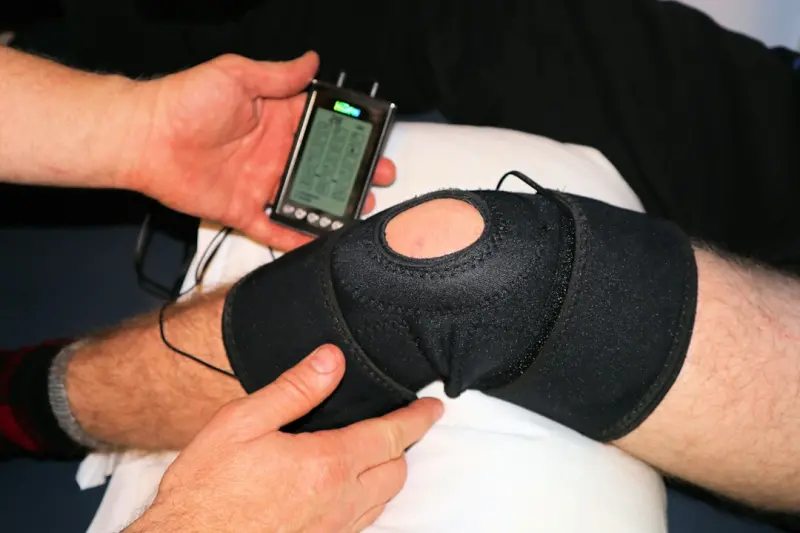
Why Wearable Technology Is the Missing Link in Modern Physiotherapy
When I first stepped into a clinic armed with a simple heart‑rate monitor, I realized that physiotherapy was about to experience a data revolution that would reshape how we diagnose, treat, and motivate patients. Traditional assessments rely heavily on subjective feedback and intermittent snapshots taken during appointments, leaving a gap in understanding how the body truly behaves throughout the day. By embracing wearable sensors that capture movement patterns, muscle activation, and even sleep quality in real time, we can finally bridge that gap and craft rehab programs that evolve with the client instead of staying static. This shift not only empowers patients with concrete insights into their own progress but also equips clinicians with an evidence‑based roadmap that reduces guesswork and accelerates recovery.
Choosing the Right Devices: From Simple Bands to Advanced Motion Capture
Not all wearables are created equal, and the key to success lies in matching device capabilities to therapeutic goals. Basic wrist‑worn accelerometers excel at tracking step counts and basic activity levels, making them ideal for early‑stage mobility programs that focus on increasing daily movement. For more nuanced interventions—such as correcting gait asymmetries after a knee surgery—we turn to inertial measurement units (IMUs) that attach to the shank, thigh, and lower back, delivering millisecond‑precise joint angle data. Some clinics even experiment with soft, textile‑based EMG patches that translate muscle firing patterns into visual feedback, allowing patients to “see” when they’re truly engaging the targeted fibers. By layering these technologies, we create a comprehensive picture that mirrors the depth of a hands‑on examination while extending its reach beyond the therapy room.
Turning Raw Data Into Actionable Rehab Plans
The real magic happens when the streams of data collected by wearables are translated into clear, actionable instructions for the patient. Machine‑learning algorithms can flag deviations from prescribed movement envelopes, sending instant alerts to both therapist and client via a secure app. For example, if a post‑operative hip patient consistently exceeds the safe range of external rotation during a squat, the system can recommend a modified cue—perhaps “keep your knees aligned over your toes”—and log the correction for later review. This continuous feedback loop creates a dynamic prescription that updates as the body heals, mirroring the adaptive nature of elite sports coaching but applied to everyday rehabilitation. In practice, I’ve seen patients who previously struggled to remember “don’t lock your knee” suddenly internalize the cue because the wearable’s gentle vibration reminded them at the exact moment of risk.
Integrating Wearable Insights With Proven Physiotherapy Techniques
While wearables add a powerful layer of information, they do not replace the hands‑on expertise that defines physiotherapy. Instead, they complement established methods such as proprioceptive mastery and core stabilization drills. Imagine a patient performing a single‑leg balance on a foam pad while a sensor measures sway velocity and foot pressure distribution; the therapist can immediately adjust the difficulty, perhaps by adding a perturbation or by guiding the patient toward a more efficient weight shift. By merging the tactile cues of manual therapy with the quantitative precision of wearables, we achieve a hybrid approach that honors the art of movement while leveraging the science of data.
Case Spotlight: From Stiff Shoulder to Functional Freedom
Take the story of Maya, a graphic designer who suffered a frozen shoulder after a car accident. Traditional stretching and manual mobilizations yielded modest gains, but progress plateaued after six weeks. When we introduced a lightweight IMU system on her scapular region, we discovered that she was unknowingly compensating with excessive thoracic rotation during overhead reaches. The wearable flagged this pattern, prompting a targeted cue to “depress the shoulder blade before lifting.” Within two weeks, Maya’s range of motion improved by 30 %, and the data‑driven confidence boosted her adherence to the home program. This example illustrates how wearables can uncover hidden movement faults that even the most experienced clinician might miss during a brief exam.
Telehealth Meets Wearable Data: Extending Care Beyond the Clinic Walls
The pandemic accelerated the adoption of virtual consultations, but many therapists struggled with the lack of objective metrics during remote sessions. Wearable technology solves that dilemma by delivering a live stream of biomechanical data directly to the therapist’s dashboard, regardless of location. During a telehealth appointment, I can watch a patient perform a seated march, see real‑time hip flexion angles, and instantly adjust the prescription—all while the patient remains in the comfort of their living room. This seamless integration not only preserves the quality of care but also expands access for rural or mobility‑limited clients, reinforcing the idea that physiotherapy is no longer confined to four walls.
Addressing Privacy, Cost, and Adoption Hurdles
Despite the clear benefits, introducing wearables into everyday practice raises legitimate concerns. Data privacy is paramount; clinicians must ensure that all transmitted information complies with HIPAA‑level encryption and that patients retain full control over who can view their metrics. Cost can also be a barrier, especially for small private practices, but the market now offers scalable solutions ranging from consumer‑grade fitness bands to clinic‑specific kits, allowing therapists to start small and upgrade as ROI becomes evident. Education is another critical component—both therapists and patients need clear guidance on interpreting the data to avoid information overload. By establishing transparent policies and offering hands‑on training sessions, we can mitigate these obstacles and foster a culture of responsible tech‑enhanced care.
Looking Ahead: The Future Landscape of Data‑Driven Physiotherapy
As sensor accuracy improves and artificial‑intelligence models become more sophisticated, the next generation of physiotherapy will likely involve predictive analytics that anticipate injury risk before symptoms appear. Imagine a system that alerts an athlete to a subtle decline in ankle stability, prompting a pre‑emptive strengthening protocol that averts an ankle sprain. For everyday patients, such foresight could mean fewer flare‑ups of chronic conditions like low back pain, translating into reduced healthcare costs and higher quality of life. My hope is that the profession embraces these tools not as a gimmick, but as an extension of our clinical intuition—a digital ally that amplifies our ability to restore movement, confidence, and independence.

Related Posts
Reimagining Physiotherapy: How Virtual Care is Transforming Rehab
Explore the rise of virtual physiotherapy, its scientific foundations, habit‑based strategies, and... Read More
Gamified Physiotherapy: Turning Rehab into Playful Progress
Traditional physiotherapy exercises often suffer from low adherence and boredom. This post explores ... Read More
Immersive Physiotherapy: How VR Is Redefining Rehab for Real‑World Recovery
Virtual reality is turning physiotherapy into an engaging, data‑rich experience that bridges the c... Read More
Top Posts

Redesigning the Workplace for Cancer Warriors
A practical guide for leaders to build cancer‑friendly offices, from flexible scheduling and quiet pods to digital resource hubs, turning compassion into a co...Read More

Reimagining Aging: How Seniors Can Harness Everyday Tech for Health and Connection
A practical guide showing seniors how to use wearables, smart home tweaks, and digital social hubs to boost health, prevent falls, and stay connected—without ...Read More
Why Curiosity Is the Secret Workout for Seniors
Curiosity can be a low‑impact workout for seniors, blending mental stimulation with gentle movement. This article explores how inquisitive activities, purpose...Read More
Tiny Shifts, Big Gains: Micro‑Movements for a Vibrant Later Life
Micro‑movements—small posture adjustments, functional mobility drills, and rhythmic breathing—offer a low‑impact, sustainable path to healthy aging, tur...Read More
0 Comments
Post Comment
You will need to Login or Register to comment on this post!