
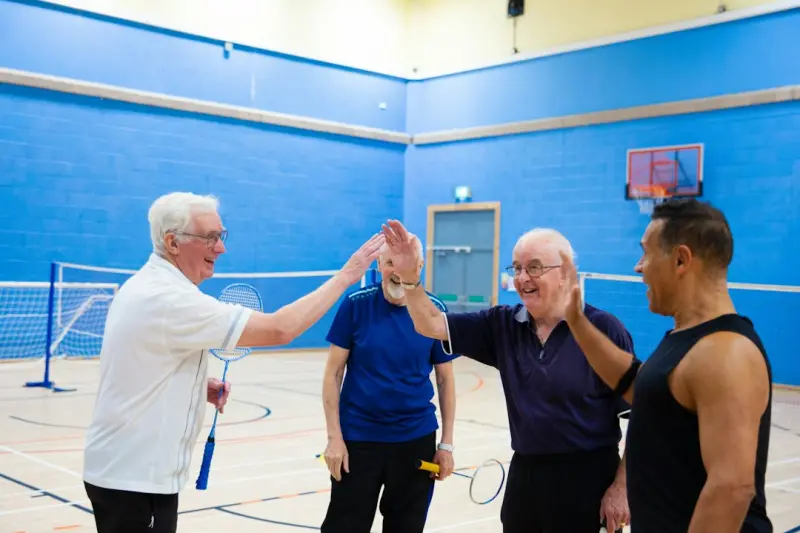
When we think about healthy aging, the first images that come to mind are often grand—marathon medals, cutting‑edge supplements, or high‑tech wearables that promise to “turn back the clock.” Those visions are inspiring, but they also set the bar so high that many of us feel paralyzed before we even start. The truth is, longevity doesn’t always require a revolution; sometimes it’s a series of tiny, intentional shifts that, compounded over decades, become a powerful force for vitality.
Why Micro‑Movements Matter More Than You Think
Imagine a river carving a canyon. Each drop of water seems insignificant, yet over centuries the river reshapes the landscape. Our bodies work the same way. A single extra step, a few seconds of deeper breathing, or a moment of purposeful posture may feel negligible today, but when repeated day after day, those micro‑movements create structural changes in muscles, joints, and even metabolic pathways.
Research in biomechanics and gerontology shows that low‑impact, frequent movement maintains joint lubrication, preserves cartilage health, and keeps the nervous system firing efficiently. Unlike intense, infrequent workouts that can stress aging tissue, micro‑movements are gentle enough to be sustainable for anyone—from the office worker who spends eight hours at a desk to the retiree who enjoys gardening.
The Three Pillars of Micro‑Movement
To integrate micro‑movements into your daily routine, focus on three core domains: posture, functional mobility, and rhythmic breathing. Each pillar addresses a different physiological system, creating a synergistic effect that supports overall longevity.
- Posture: Subtle adjustments to how you sit, stand, and move can alleviate chronic compression on the spine, improve circulation, and reduce the risk of age‑related musculoskeletal disorders.
- Functional Mobility: Small, purposeful movements that mimic daily tasks (e.g., heel‑to‑toe walking, gentle hip circles) keep joints supple and reinforce neuromuscular pathways.
- Rhythmic Breathing: Controlled breath work activates the parasympathetic nervous system, lowering cortisol, supporting immune function, and enhancing oxygen delivery to cells.
Posture Hacks You Can Deploy Right Now
Most of us have spent years slouching—whether at a computer, in a car, or while watching TV. The cumulative effect is a forward‑leaning thoracic spine, tight hip flexors, and a weakened core. Here are three micro‑posture interventions that take less than a minute each:
- Screen Elevation: Raise your laptop or monitor so the top of the screen is at eye level. This simple tweak prevents the neck from craning forward, a major contributor to cervical degeneration.
- Micro‑Core Activation: Every hour, engage your deep abdominal muscles (think of gently pulling your belly button toward your spine) for five seconds. This “abdominal bracing” stabilizes the lumbar region without needing a full‑blown plank.
- Standing Reset: When you stand, imagine a string pulling you gently upward from the crown of your head. Align your ears over shoulders, shoulders over hips, and hips over ankles. Hold for three breaths before moving on.
These micro‑posture habits are so brief they can be slotted into any schedule—while waiting for the kettle to boil, during a conference call, or even in line at the grocery store.
Functional Mobility: Turning Everyday Motions into Mini‑Workouts
Functional mobility isn’t about fancy equipment; it’s about re‑learning the movements our ancestors performed daily. The goal is to keep the body adaptable to real‑life tasks like reaching for a shelf, getting up from a chair, or climbing stairs.
Here are five micro‑mobility drills you can scatter throughout the day:
- Heel‑to‑Toe Walk (30 seconds): Walk in a straight line, placing the heel of one foot directly in front of the toes of the other. This improves balance and ankle flexibility.
- Hip Circles (10 reps each direction): While standing, place hands on hips and draw slow circles with your pelvis. This loosens the hip joint and counteracts prolonged sitting.
- Doorway Chest Stretch (15 seconds): Place forearms on either side of a doorway, step forward gently, and feel the chest open. Enhances thoracic mobility, crucial for deep breathing.
- Seated Leg Extensions (10 reps): While seated, straighten one leg, hold for a second, then lower. Alternate legs. This activates quadriceps without stressing the knees.
- Wrist Flexor Rolls (20 seconds): Extend arms forward, rotate wrists clockwise then counter‑clockwise. Keeps forearm tendons supple for everyday tasks.
Because each drill takes less than a minute, you can complete a full set in the time it takes to respond to an email or brew a cup of coffee. Consistency, not intensity, is the secret sauce.
Breathing as a Longevity Tool
Most of us inhale automatically, exhale automatically, and forget that breath is a lever we can pull to regulate stress, inflammation, and even telomere length—the protective caps at the ends of our chromosomes.
Two simple breathing patterns are especially effective for aging bodies:
- Box Breathing (4‑4‑4‑4): Inhale for a count of four, hold four, exhale four, hold four. Repeat five cycles. This technique balances the autonomic nervous system, reducing heart‑rate variability and improving sleep quality.
- Diaphragmatic Breathing (6‑8): Breathe in through the nose for six seconds, allowing the belly to rise, then exhale through the mouth for eight seconds, letting the belly fall. This slower exhale stimulates the vagus nerve, a key player in anti‑inflammatory pathways.
Incorporate these patterns during moments of transition—before a meeting, after climbing stairs, or while waiting for a webpage to load. The micro‑dose of parasympathetic activation will accumulate into a measurable reduction in chronic stress markers over weeks.
Micro‑Movement Meets Technology (Without the Gimmicks)
While the premise of micro‑movements is low‑tech, leveraging gentle digital nudges can keep you accountable. A simple smartphone reminder that prompts you to stand, stretch, or breathe can act as a catalyst for habit formation. However, avoid over‑reliance on flashy wearables that demand constant data input—those can become another source of stress.
If you’re curious about how technology can augment community support for seniors, check out AI friends for seniors. It offers a glimpse into how gentle digital companions can remind older adults to move, hydrate, and breathe—without overwhelming them with endless metrics.
Embedding Micro‑Movements in Your Environment
Design your surroundings to cue movement. This is not about major renovations; it’s about subtle, intentional tweaks:
- Desk Setup: Place a small post‑it note on the monitor’s edge that reads “Stand & Stretch” to trigger a quick reset every hour.
- Kitchen Counter: Keep a rolled towel on the counter. Each time you reach for it, perform a calf raise.
- Living Room: Use a low coffee table instead of a high one, encouraging you to sit on the floor for a few minutes—great for hip mobility.
When your environment silently encourages movement, you’re less likely to forget the micro‑habits you’re building.
Micro‑Movement and Nutrition: A Synergistic Pair
Movement and nutrition are two sides of the same longevity coin. Small dietary adjustments, paired with micro‑movements, amplify each other’s benefits:
- Protein Timing: Consume a modest portion of high‑quality protein (e.g., Greek yogurt, legumes) within an hour of your mobility routine. This supports muscle protein synthesis without overloading the digestive system.
- Hydration Micro‑Sips: Instead of chugging large glasses, take a sip every ten minutes. This keeps joints lubricated and supports metabolic processes.
- Anti‑Oxidant Snacks: Pair a short breathing session with a handful of berries or a green tea sip. The antioxidants help combat oxidative stress generated during even mild movement.
From Micro‑Movements to Macro Results: The Science of Accumulation
Longitudinal studies on “low‑dose exercise” show that participants who engaged in 10‑minute bouts of light activity three times a day experienced similar improvements in insulin sensitivity and cardiovascular markers as those who performed a single 30‑minute session. The key driver is the “time‑under‑tension” principle—muscles and metabolic pathways are stimulated repeatedly, preventing the plateau that often follows monotone, infrequent workouts.
Furthermore, neuroplasticity research indicates that repeated, varied movement patterns reinforce neural pathways more robustly than a single, repetitive routine. This doesn’t mean you need to become a gymnast; simply varying the direction, speed, and type of micro‑movement keeps the brain and body adaptable.
Case Study: The “Quarter‑Hour Club”
Meet Susan, a 62‑year‑old marketing consultant who felt her energy waning after a decade of desk‑heavy work. Instead of signing up for an intensive gym program, she created a “Quarter‑Hour Club” with three friends. The rule was simple: every three hours, each member performed a 5‑minute micro‑movement set—standing stretch, hip circles, and box breathing. Within three months, Susan reported:
- Improved lower‑back comfort
- Higher mental clarity during afternoon meetings
- A reduction in evening cravings
The secret? Consistency, community accountability, and the low barrier to entry that made the habit stick. If you’re looking for inspiration on how learning and community keep the brain young, the Cognitive Gym article explores similar principles in a different context.
Getting Started: A 7‑Day Micro‑Movement Blueprint
Below is a printable, low‑commitment plan you can adopt immediately. Feel free to swap any drill for a personal favorite.
| Day | Morning (5 min) | Mid‑day (5 min) | Evening (5 min) |
|---|---|---|---|
| 1 | Box breathing + standing reset | Heel‑to‑toe walk + wrist rolls | Diaphragmatic breathing + hip circles |
| 2 | Micro‑core activation + screen elevation check | Seated leg extensions + door frame stretch | Box breathing + calf raises |
| 3 | Diaphragmatic breathing + posture check | Hip circles + wrist rolls | Box breathing + heel‑to‑toe walk |
| 4 | Micro‑core activation + standing reset | Seated leg extensions + door frame stretch | Diaphragmatic breathing + hip circles |
| 5 | Box breathing + posture check | Heel‑to‑toe walk + wrist rolls | Micro‑core activation + calf raises |
| 6 | Diaphragmatic breathing + standing reset | Seated leg extensions + door frame stretch | Box breathing + hip circles |
| 7 | Micro‑core activation + posture check | Heel‑to‑toe walk + wrist rolls | Diaphragmatic breathing + calf raises |
After the first week, notice which drills feel most natural and which you’d like to expand. The beauty of micro‑movement is its scalability—you can double the time, add new patterns, or integrate light resistance (e.g., a resistance band for hip circles) as confidence grows.
Conclusion: The Quiet Revolution of Tiny Shifts
Healthy aging isn’t a singular, dramatic event; it’s the sum of countless subtle choices made day after day. By embracing micro‑movements—tiny posture tweaks, functional mobility bursts, and rhythmic breathing—you create a resilient foundation that supports physical, metabolic, and mental health without the intimidation of grandiose fitness regimes.
Remember, the goal isn’t perfection; it’s progressive consistency. Start with one micro‑habit, let it become automatic, then layer another. Over years, those tiny shifts will add up to a life that feels younger, stronger, and more vibrant—no matter the number on your birthday cake.

Craig Brett is a freelancer with a passion for the outdoors. His love for nature inspires his work, bringing authentic and engaging perspectives to projects related to outdoor activities, adventure, and environmental topics.
Related Posts
Embracing Healthy Aging: A Holistic Approach to a Vibrant Life
Healthy aging is a journey, not a destination. Learn how to navigate the challenges of aging with a ... Read More
Storytelling as a Longevity Hack: How Narrative Fuels Healthy Aging
Exploring the untapped power of storytelling, this post reveals how narratives sharpen memory, foste... Read More
Embracing Healthy Aging: A Holistic Journey to Longevity
A holistic perspective on aging transforms wrinkles into stories of resilience, blends nutrition wit... Read More
Top Posts

The Science of Nutrient Layering: Crafting Meals That Sharpen Focus and Boost Creativity
Learn the art of nutrient layering—stacking carbs, proteins, fats, and micronutrients in the right order—to sustain focus, fuel creativity, and support reco...Read More

Listening to the Night: Turning Insomnia Into a Body’s Conversation
Insomnia isn’t just a problem—it’s a conversation. Learn practical tools like body scans, scent cues, gentle movement, and storytelling journaling to hear...Read More

Playful Movement: Turning Everyday Activities into Joyful Workouts
Learn to fuse fun, community, and functional moves into daily life, making exercise feel less like a chore and more like a playful adventure....Read More

Beyond the Cloud: Rethinking Vaping’s Role in Modern Life
Vaping shapes our spaces, communities, and wallets in unexpected ways. This deep dive uncovers its hidden costs and offers practical, data‑driven approaches t...Read More
0 Comments
Post Comment
You will need to Login or Register to comment on this post!