
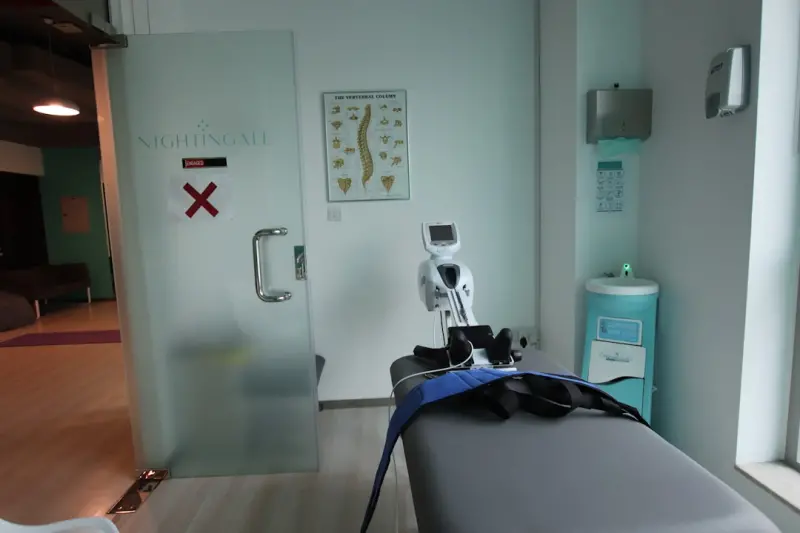
Why Tele‑Physiotherapy Is No Longer a Niche
When the pandemic forced my clinic’s doors shut, I discovered that remote physiotherapy could do more than fill empty appointment slots—it could reshape how we think about movement care. Patients who once dreaded a commute now log in from their living rooms, turning a bedroom floor into a therapeutic space that feels personal and safe. This shift revealed that the core of physiotherapy—assessment, education, and guided exercise—doesn’t require four walls; it thrives on connection, consistency, and the right tools.
The Science Behind Virtual Movement Assessments
Advances in video compression and smartphone sensors mean we can observe gait, posture, and range of motion with surprising fidelity, even from a distance. By asking clients to set up a simple tripod or use a wall mirror, I can capture angles and repetitions that a traditional clinic would document with costly equipment. This data, when paired with real‑time feedback, activates the same neuro‑muscular pathways that in‑person sessions target, proving that virtual assessment is not a compromise but a complementary method.
Building Trust Through Digital Presence
One of the biggest hurdles I faced was translating the hands‑on reassurance of a clinic into a pixelated screen. I overcame this by adopting a “coach‑like” tone, walking clients through each movement step‑by‑step, and using visual cues such as highlighting muscle groups on screen. The result is a partnership where patients feel empowered to own their recovery, knowing I’m just a click away to adjust, motivate, or celebrate progress.
Integrating Habit‑Based Strategies for Long‑Term Success
To keep momentum alive beyond the video call, I weave in tiny habit stacking principles that turn a single stretch into a chain of daily micro‑wins. By linking a new exercise to an existing routine—like calf raises while brushing teeth—I help clients embed movement into the fabric of their lives. This approach reduces the risk of relapse and creates a self‑reinforcing loop where consistency breeds confidence.
Leveraging Community Platforms for Peer Support
Isolation can erode motivation, so I’ve cultivated private online groups where clients share milestones, troubleshoot setbacks, and celebrate each other’s breakthroughs. The community dynamic mirrors a group class, but the flexibility of asynchronous posting means anyone can participate regardless of schedule. This peer‑driven environment amplifies accountability and turns solitary rehab into a shared journey.
Equipment Light, Results Heavy: The Power of Everyday Objects
Unlike a traditional gym, tele‑physiotherapy relies on what patients already have—a sturdy chair, a resistance band, a rolled towel. By designing programs around these ubiquitous items, I eliminate barriers to entry and keep costs low, which is especially crucial for families juggling multiple health expenses. The simplicity of the tools also demystifies the exercises, allowing clients to focus on form and breath rather than fiddling with complex machines.
When to Bring the Patient Back In‑Person
Virtual care shines for most stages of rehabilitation, yet certain scenarios—like post‑surgical swelling, severe proprioceptive deficits, or the need for manual joint mobilizations—still warrant a hands‑on visit. I schedule these appointments strategically, using remote data to pinpoint exactly where my physical touch will add the most value. This hybrid model maximizes efficiency: the majority of sessions stay online, while targeted in‑person visits address the nuances that technology cannot yet replicate.
Future Trends: AI‑Guided Exercise and Predictive Analytics
Emerging AI platforms can analyze video feeds in real time, offering corrective cues that echo the therapist’s voice. While I’m still cautious about handing full autonomy to algorithms, I see a future where AI flags subtle compensations and alerts me before a minor issue escalates. Coupled with predictive analytics that track adherence trends, we can proactively adjust programs, turning reactive care into proactive wellness.
My Call to Action: Embrace the Hybrid Model Today
If you’re a physiotherapist still hesitating at the digital frontier, I urge you to schedule a single tele‑session with a willing client and observe the outcomes for yourself. The learning curve is short, the payoff is immense, and the patients you reach will thank you for breaking down the walls of traditional care. Together, let’s redefine rehabilitation—where expertise meets technology, and every home becomes a healing space.

Deb Roberts is a freelancer who writes on various subjects, bringing versatility and depth to her work. Alongside her broad writing expertise, she has a special passion for horses.
Related Posts
Reimagining Recovery: How Your Home Can Become a Physiotherapy Ally
Learn how to transform your living space into a therapeutic ally with movement-friendly design, wear... Read More

Why Community Rhythm Beats Solo Sessions in Physiotherapy
Explore the transformative power of community physiotherapy, where shared movement, peer support, an... Read More
Holistic Physiotherapy: Healing the Body, Mind, and Lifestyle
Explore the power of holistic physiotherapy, where mindful movement, breath, nutrition, and lifestyl... Read More
Top Posts

The Healing Power of Personal Narrative in Cancer Journeys
Discover how turning cancer experiences into personal narratives can empower patients, enhance emotional wellbeing, and foster supportive communities, offering ...Read More

Tuning Your Body’s Pressure Dial: Fresh Strategies to Keep Blood Pressure Calm
A fresh, creative approach to blood pressure management that blends breathwork, micro‑habits, sound therapy, and community support for lasting, natural result...Read More

Sleep Apnea on the Road: Managing the Hidden Health Hazard While You Travel
Discover practical strategies for managing sleep apnea while traveling, from portable CPAP devices and ambient sound solutions to leveraging health‑insurance ...Read More
When Breath Becomes a Bottleneck: How Sleep Apnea Sabotages Executive Decision‑Making
Untreated sleep apnea silently undermines the brain’s executive functions, affecting focus, risk assessment, and strategic choices. Learn how modern diagnosti...Read More
0 Comments
Post Comment
You will need to Login or Register to comment on this post!