
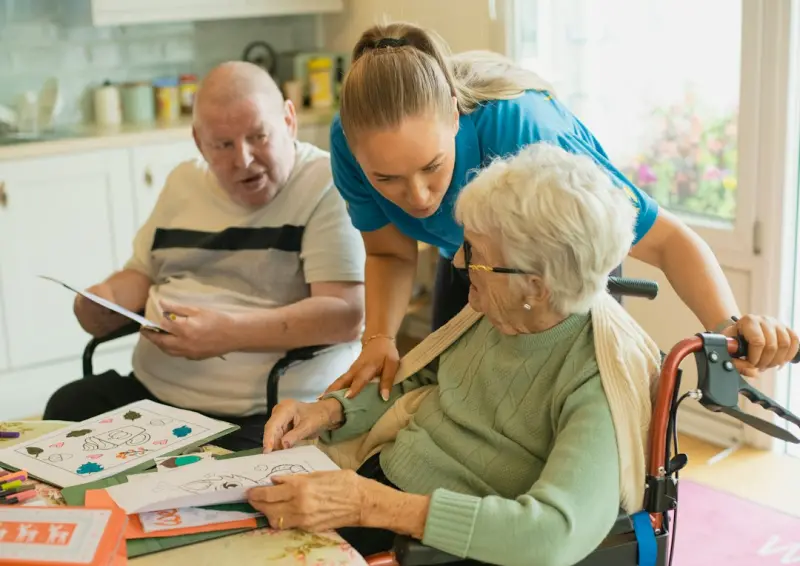
Why “Tech‑Savvy” Isn’t Just a Buzzword for Seniors Anymore
When I first started chatting with retirees about their day‑to‑day routines, the conversation always spiraled back to a single theme: “I wish I could do more, but I’m not sure how.” That hesitation isn’t about a lack of desire; it’s a mismatch between the tools available and the way they’re presented. The good news? The gap is closing fast, and the solutions are less about high‑tech wizardry and more about thoughtful, low‑friction design that puts health and connection back into the hands of seniors.
The Silent Barriers That Keep Seniors From Embracing New Tools
Before we dive into the gadgets and apps that are reshaping senior health, let’s acknowledge the three invisible walls that often keep older adults on the sidelines:
- Complexity Fatigue: A flood of notifications, settings, and updates can feel overwhelming, especially when the learning curve feels steeper than a mountain climb.
- Trust Deficit: Concerns about data privacy, hidden costs, and “what if it breaks?” linger long after the initial purchase.
- Physical Limitations: Fine motor challenges, vision decline, and hearing loss can make even the sleekest device feel clunky.
Understanding these barriers is the first step to selecting solutions that truly stick.
Smart Wearables: From Fancy Wristbands to Everyday Health Allies
Wearable technology has graduated from the realm of elite athletes to the average senior’s bedside table. The latest generation of devices focuses on simplicity:
- One‑Touch Heart Monitoring: A single press reveals real‑time heart rate, oxygen saturation, and even early arrhythmia alerts, sending a gentle tap to a trusted family member if something looks off.
- Fall Detection with Auto‑SOS: Built‑in accelerometers recognize sudden impact patterns, automatically dialing emergency services while also notifying a pre‑selected contact list.
- Medication Reminders Integrated with Voice Assistants: A friendly voice cue (“It’s time for your blood pressure pill, Margaret”) reduces missed doses without the need to stare at a small screen.
What matters most is that these wearables pair with an intuitive companion app that aggregates data into a single, color‑coded dashboard—no cryptic graphs, just a clear “All Good” or “Check In” status.
Building Digital Social Hubs: The New Town Square
Loneliness is a silent health risk factor that rivals smoking in its impact on mortality. Yet the solution isn’t just a weekly bingo night; it’s a digital town square that mirrors the spontaneity of a real‑world gathering.
Platforms designed specifically for seniors now offer:
- Large‑font video chat rooms with background blur to keep the focus on faces, not clutter.
- Interest‑based “clubs” (gardening, classic cinema, crossword puzzles) that auto‑match participants based on location and schedule.
- Voice‑activated “call‑a‑friend” buttons that bypass the need to navigate menus.
When you combine these tools with a reliable internet connection—often as simple as a plug‑and‑play mesh router—the result is a thriving social ecosystem that keeps the brain engaged and the heart happy.
Nutrition Tech: Turning Meals into Data‑Driven Fuel
Nutrition is the cornerstone of senior health, but counting calories isn’t the answer. Modern “smart kitchen” solutions bring a subtle intelligence to everyday cooking:
- Portion‑Scanning Plates: Embedded sensors weigh food and instantly display protein, fiber, and micronutrient breakdown on a discreet LED ring.
- Recipe Adaptation Apps: Input a favorite family recipe, and the app suggests lower‑sodium or higher‑calcium variations that respect taste preferences.
- Hydration Reminders: A subtle glow on a water bottle prompts a sip every hour, addressing the common senior issue of dehydration.
These tools empower seniors to make informed choices without turning meals into a math problem.
Simple Home Modifications That Pair Perfectly With Tech
Even the smartest device can’t prevent a stumble on a loose rug. The best outcomes arise when technology is paired with low‑cost, high‑impact home tweaks:
- Contrast Strips on Stairs: Bright, tactile tape improves depth perception for those with reduced vision.
- Smart Lighting Systems: Motion‑activated, daylight‑mimicking bulbs reduce shadows and cue the body’s circadian rhythm.
- Voice‑Controlled Faucets and Lights: Reduces the need for fine motor control, letting seniors keep independence while minimizing strain.
When these modifications are integrated with wearables that track movement patterns, the system can proactively suggest adjustments—like adding a handrail after detecting a near‑miss on a bathroom step.
Leaning Into Preventive Benefits: A Strategic Playbook
Many seniors overlook the full suite of preventive care benefits embedded in their health plans. Understanding and activating these resources can offset costly interventions down the line. For a deep dive into unlocking these advantages, see The Untapped Power of Preventive Care Benefits. By aligning wearable data with scheduled screenings, seniors can transform “reactive” health into a proactive partnership with their providers.
The Future of Remote Physiotherapy: Beyond the Clinic
Physical therapy no longer requires a trip to a bustling clinic. Advanced AI-driven platforms now analyze movement in real time, offering corrective cues that feel like a personal trainer whispering in your ear. This technology not only reduces travel barriers but also provides a continuous feedback loop that adapts to progress. Learn more about how AI and motion capture are reshaping rehabilitation in Beyond the Clinic: How AI and Motion Capture are Redefining Physiotherapy.
Taking the First Step: A 30‑Day Integration Blueprint
Jumping straight into a full suite of tech can feel daunting. Here’s a manageable roadmap:
- Week 1 – Wearable Starter: Choose a simple health tracker with a large display. Pair it with a family member’s phone for alerts.
- Week 2 – Social Connection: Join one digital club and schedule a weekly video hangout.
- Week 3 – Kitchen Upgrade: Add a portion‑scanning plate or a smart water bottle.
- Week 4 – Home Safety Sprint: Install contrast strips, smart lights, and test voice‑controlled fixtures.
Each step builds on the previous one, creating a habit loop that feels natural rather than forced.
Conclusion: Empowerment Over Gadgets
Technology is only as powerful as the confidence it inspires. By addressing the hidden barriers—complexity, trust, and physical limitations—seniors can transform everyday tools into lifelong allies. The ultimate goal isn’t a gadget‑filled home; it’s a thriving, connected, and health‑optimized lifestyle where seniors feel in control of their own narratives.

Brody Lambert is an emerging freelance writer whose fresh voice and thoughtful approach are quickly making their mark. As a fairly new entrant in the world of freelance writing, Brody brings a blend of curiosity and dedication that fuels every project, crafting stories and content that resonate with authenticity and clarity.
Related Posts

The Community Cure: Intergenerational Learning for Senior Wellness
A deep dive into how intergenerational mentorship programs empower seniors with cognitive, physical,... Read More

The Unexpected Wellness Power of Digital Storytelling for Seniors
Digital storytelling blends memory recall, gentle motor activity, and social interaction, offering s... Read More

Embracing Digital Literacy: A Senior’s Journey to Health and Connection
A personal guide for seniors on using technology to sharpen the mind, improve health, and stay conne... Read More
Top Posts

Micro‑Habits to Boost Men’s Longevity
A fresh look at men’s health that emphasizes tiny, daily rituals—like sunrise sunlight, intentional breathing, and brief mobility work—to rebalance hormon...Read More

Best Fruits and Vegetables for a Healthy Heart
Discover the best fruits and vegetables to improve your cardiovascular health naturally. From antioxidant-rich berries to fiber-packed leafy greens, learn how t...Read More
Why Your Home's Air Might Be the Silent Saboteur of Your Health
A deep dive into how unseen pollutants inside your house affect your health, with practical tips, smart tech recommendations, and personal insights to improve i...Read More

Holistic Secrets to a Longer, Healthier Life
Explore the holistic habits—sleep, nutrition, movement, mindset—that can extend your vitality and make every year vibrant and healthy....Read More
0 Comments
Post Comment
You will need to Login or Register to comment on this post!