
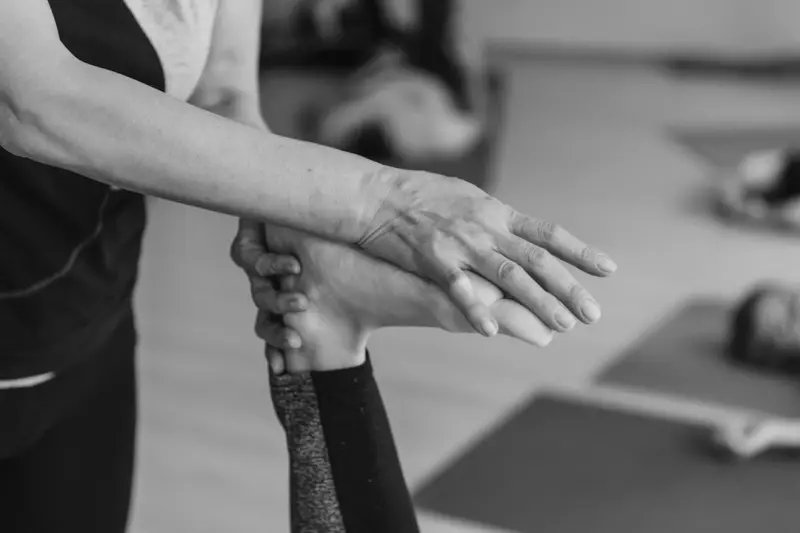
Why Traditional Rehab Often Misses the Mark
Physiotherapy has long been the cornerstone of recovery after injury, surgery, or chronic pain flare‑ups. Yet, many patients abandon their prescribed exercises within weeks. The reasons are surprisingly simple: boredom, lack of immediate feedback, and a feeling that the routine is a chore rather than a journey. When a therapist hands you a printed sheet of “10 repetitions of heel slides,” it’s easy to see why motivation can wane. The modern world, however, offers tools that can turn that static sheet into an engaging, data‑driven adventure.
The Rise of Gamified Rehab
Enter gamification—a design philosophy that applies game mechanics (points, levels, challenges, and instant feedback) to non‑game contexts. In physiotherapy, this means transforming exercises into interactive missions that reward consistency and progress. Think of each squat, band pull‑apart, or balance drill as a “quest” that earns you points, unlocks new “levels,” and even pits you against a virtual avatar that mirrors your form.
Key benefits of gamified rehab include:
- Enhanced adherence: Patients are more likely to repeat activities that feel rewarding.
- Real‑time biofeedback: Sensors and mobile apps can instantly highlight correct versus incorrect movement patterns.
- Objective data collection: Therapists receive detailed logs, enabling precise adjustments.
- Social motivation: Leaderboards and community challenges tap into our innate desire for friendly competition.
How It Works: The Technology Stack
At its core, gamified physiotherapy combines three components:
- Wearable sensors: Accelerometers, gyroscopes, and force plates capture movement quality.
- Mobile or web platform: The user interface presents the game, tracks progress, and delivers coaching cues.
- Therapist dashboard: Clinicians monitor aggregated data, set custom challenges, and intervene when needed.
Imagine a patient recovering from an anterior cruciate ligament (ACL) reconstruction. Instead of merely counting reps, a sensor‑enabled knee brace streams data to a smartphone app. The app translates each controlled knee extension into a “jump” for a digital character navigating a forest trail. Missed range or improper alignment triggers a gentle vibration and a visual cue, prompting the patient to correct the motion before proceeding.
Case Study: From Couch to Virtual Trail
Sarah, a 38‑year‑old office manager, struggled with chronic lower‑back pain after a herniated disc. Traditional physiotherapy prescribed “bird‑dog” extensions three times a week, but she often skipped sessions, citing “no time” and “no results.” After enrolling in a gamified program, Sarah received a small, strap‑on sensor and a tablet pre‑loaded with a “Back‑to‑Nature” adventure.
Each day, she completed a 10‑minute “forest walk,” where every correct extension propelled her avatar forward. The app awarded her “growth rings” for streaks of consecutive days, and a weekly leaderboard showed her ranking among peers with similar conditions. Within four weeks, Sarah reported a 30% reduction in pain scores and a noticeable improvement in core stability.
This transformation mirrors findings from research that links cognitive engagement with better motor learning. When patients perceive their rehab as a game, the brain’s reward circuitry lights up, reinforcing the neural pathways needed for functional recovery.
Design Principles for Effective Rehab Games
Not all gamified solutions are created equal. To avoid turning therapy into a frivolous distraction, developers must adhere to evidence‑based design principles:
- Clear therapeutic objectives: Every game mechanic should map directly to a clinical goal (e.g., increase hip abduction strength).
- Progressive difficulty: Levels must adapt to the patient’s evolving capacity, preventing plateaus or injury.
- Immediate, actionable feedback: Visual or haptic cues should tell the user exactly what to adjust.
- Personalization: Patients differ in motivation styles—some thrive on competition, others on narrative storytelling.
- Data privacy and compliance: All health data must be encrypted and stored in accordance with HIPAA or equivalent regulations.
Integrating Narrative to Deepen Engagement
While points and badges are effective, weaving a story around the rehab journey can amplify motivation. This ties into the concept of rewriting the inner narrative—a mental fitness technique that helps individuals reframe challenges as opportunities.
In a physiotherapy game, the patient might become a “guardian of the valley” tasked with restoring balance to the land. Each exercise restores a piece of the environment, visually reinforcing the link between physical effort and narrative progress. When Sarah completed her fifth week, the app unlocked a cinematic where her avatar restored the final waterfall, symbolizing her regained spinal health.
Addressing Common Concerns
Is technology a barrier for older adults? Not necessarily. User‑friendly interfaces, large icons, and voice‑guided instructions make the experience accessible. Moreover, many seniors already use smartphones for video calls, making the learning curve shallow.
Can gamified rehab replace hands‑on therapy? No. It should complement, not substitute, in‑person assessment and manual techniques. The therapist’s expertise remains critical for diagnosis, manual mobilizations, and individualized prescription.
What about cost? While there is an upfront investment in sensors and software licenses, the ROI manifests in reduced missed appointments, faster recoveries, and lower long‑term healthcare expenses.
Practical Steps for Clinics Ready to Play
- Audit your patient population: Identify conditions where home exercise adherence is low (e.g., post‑operative knee rehab).
- Partner with vetted tech providers: Look for platforms with proven clinical validation and secure data handling.
- Train your staff: Therapists should become comfortable navigating the dashboard and interpreting sensor data.
- Pilot with a small cohort: Collect feedback, adjust difficulty curves, and measure outcomes like pain reduction and functional scores.
- Scale and integrate: Once efficacy is demonstrated, roll out the program across relevant treatment pathways.
The Future: Augmented Reality (AR) and Beyond
Imagine slipping on AR glasses that overlay a virtual therapist guiding your movement in real time. Or a haptic‑enabled mat that vibrates when your weight distribution shifts incorrectly. These innovations promise even richer feedback loops, blurring the line between physical and digital rehab spaces.
As we move forward, the central tenet remains unchanged: rehabilitation works best when patients are actively engaged, receive immediate feedback, and see tangible progress. Gamified physiotherapy aligns perfectly with this philosophy, turning the often‑tedious recovery process into an empowering adventure.
Takeaway: Turn Rehab Into Your Next Game Level
Physiotherapy doesn’t have to be a solitary, static routine. By embracing gamification, clinicians can reignite patient motivation, gather precise data, and ultimately accelerate healing. Whether you’re a therapist looking to modernize your practice or a patient eager for a more engaging recovery, the tools are already here. All that’s left is to press “Start” and begin the next level of your health journey.

Deb Roberts is a freelancer who writes on various subjects, bringing versatility and depth to her work. Alongside her broad writing expertise, she has a special passion for horses.
Related Posts
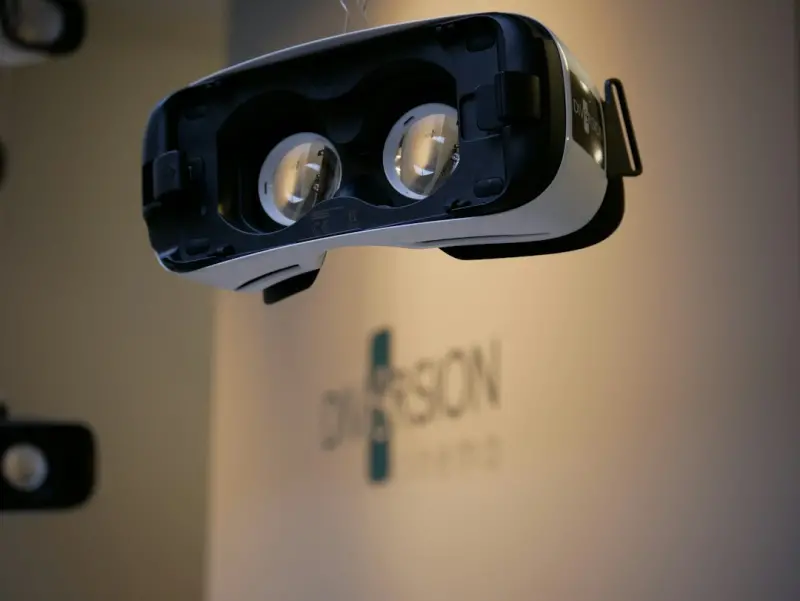
Beyond the Clinic Walls: The Virtual Reality Revolution in Physiotherapy
Virtual reality is reshaping physiotherapy by delivering immersive, data‑rich rehab experiences th... Read More

When Movement Becomes a Narrative: Reframing Physiotherapy for Modern Lives
Physiotherapy isn’t just stretches and exercises; it’s a story. By integrating narrative techniq... Read More

Beyond the Clinic: How AI, Wearables, and Nutrition Are Redefining Physiotherapy
Physiotherapy is evolving from reactive, clinic‑only care to a proactive, tech‑enabled partnersh... Read More
Top Posts

Reclaiming Mental Space: Micro‑Rituals for a Fog‑Free Mind
Learn how tiny, intentional pauses—like a four‑second breath reset and a 60‑second digital sunset—can transform mental clutter into clarity, even in a d...Read More

The Hidden Power of Sensory Exploration in Sustainable Weight Loss
A fresh look at weight loss shows that engaging your senses—taste, smell, sight, and touch—creates lasting satiety and enjoyment, making healthy choices eff...Read More

The Community Cure: Harnessing Social Connection to Tame Blood Pressure
Explore the science behind social ties and blood pressure, learn three actionable ways to build supportive connections, and follow a 30‑day plan to see measur...Read More
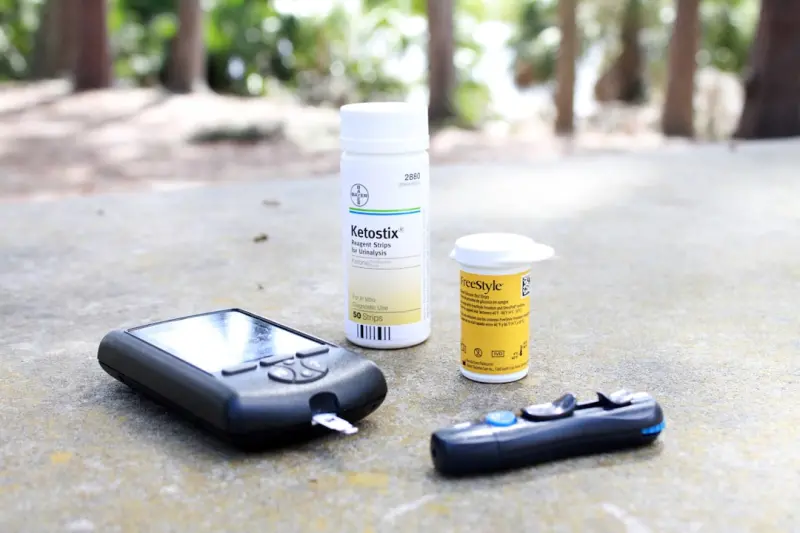
Glucose Budgeting: A Fresh, Sustainable Way to Manage Blood Sugar
Treat blood sugar management like a personal finance project: track carb “income,” log glucose “expenses,” and use micro‑habits, gut health, and gamif...Read More
0 Comments
Post Comment
You will need to Login or Register to comment on this post!