
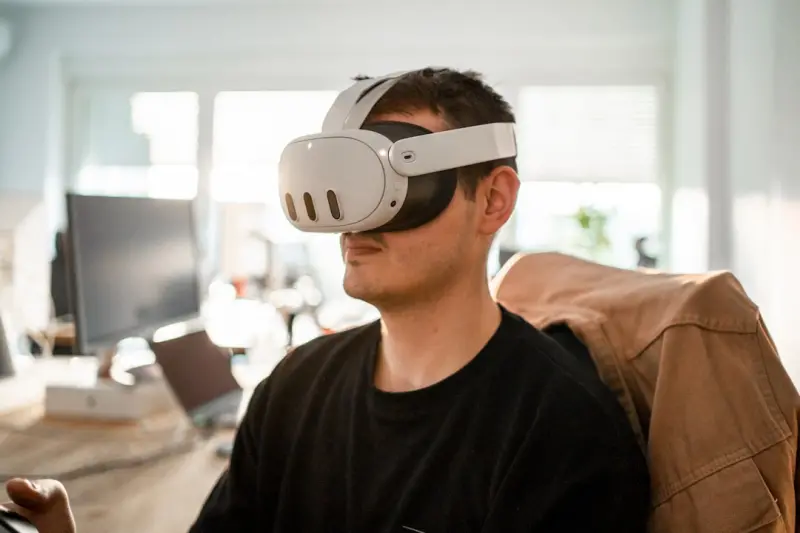
A New Era for Rehabilitation
Imagine slipping on a lightweight headset, stepping into a sun‑lit forest, and feeling your hamstrings lengthen as a gentle breeze guides each stretch; that is the promise of virtual reality physiotherapy and it is no longer a sci‑fi fantasy but a tangible tool reshaping how we recover at home. For years, therapists have wrestled with the gap between clinic‑based instruction and the unpredictable realities of a living‑room floor, where distractions, limited space, and inconsistent motivation often derail even the best‑designed programs. By marrying immersive visual cues with evidence‑based movement protocols, we are witnessing a surge in patient adherence, faster functional gains, and a renewed excitement that turns rehab from a chore into an adventure.
From Clinic to Living Room
Traditional physiotherapy thrives on hands‑on guidance, tactile feedback, and real‑time adjustments, yet the moment a patient walks out the door, that support evaporates, leaving a void that many struggle to fill on their own. Modern VR platforms bridge this chasm by projecting a virtual therapist who can demonstrate, correct, and motivate in real time, all while tracking joint angles, pressure distribution, and range of motion through built‑in sensors. This seamless transition from the clinic’s polished floor to the comfort of a couch preserves the integrity of the treatment plan and empowers patients to take ownership of their recovery journey.
The Science Behind Immersive Movement
Neuroscientists explain that the brain processes virtual environments much like physical ones, especially when visual, auditory, and proprioceptive cues are synchronized, triggering authentic motor pathways and reinforcing neural plasticity. Studies have shown that patients engaging in VR‑guided exercises exhibit greater activation in the motor cortex compared with identical movements performed without visual immersion, translating into more robust strength and coordination improvements. For clinicians who value data‑driven outcomes, this technology offers a quantifiable bridge between theory and practice, echoing the precision of micro‑training for busy lives while adding an engaging layer of interactive feedback.
Patient Engagement: The Gamified Advantage
One of the most compelling aspects of VR rehab is its innate gamification, where each squat, lunge, or balance drill is scored, leveled up, and celebrated with instant visual rewards that mirror the dopamine spikes of video games. This playful structure transforms repetitive exercises into purposeful quests, reducing the mental fatigue that often accompanies long‑term therapy and encouraging patients to push beyond perceived limits safely. By turning the rehab floor into a dynamic playground, therapists can sustain motivation, monitor progress, and celebrate milestones in a way that traditional worksheets simply cannot match.
Overcoming Barriers: Cost, Access, and Comfort
Critics argue that high‑end VR headsets remain prohibitively expensive, but the market is rapidly democratizing, with affordable standalone devices now priced within reach of most households, and many insurers beginning to recognize virtual rehab as a reimbursable service. Moreover, the technology eliminates geographic constraints, allowing rural patients or those with mobility challenges to receive the same quality of care as urban counterparts, all while reducing the need for costly travel or frequent in‑person appointments. This paradigm shift aligns with the spirit of resilience found in stories like a personal journey toward health, proving that innovation can dismantle old barriers and create inclusive pathways to healing.
Data‑Driven Feedback Loops
Every motion captured by the headset feeds into a cloud‑based analytics engine that generates real‑time dashboards for both patient and therapist, highlighting asymmetries, fatigue patterns, and compliance rates with surgical precision. These insights enable clinicians to fine‑tune exercise intensity, adjust progression timelines, and intervene before minor compensations evolve into chronic injuries, effectively turning each session into a mini‑audit of movement quality. The result is a dynamic, evidence‑based loop where data informs practice, and practice continuously refines the data, fostering a culture of continuous improvement that extends far beyond the initial injury.
Tailoring Therapy to Individual Biomechanics
No two bodies move alike, and VR’s customizable environments allow therapists to sculpt scenarios that respect each patient’s unique anatomical constraints, pain thresholds, and functional goals. Whether it’s simulating a beach walk for a post‑ankle sprain or a low‑gravity moonwalk for someone rebuilding core stability after surgery, the virtual world can be calibrated to challenge just enough without overloading vulnerable tissues. This personalized approach not only accelerates recovery but also reduces the risk of re‑injury, delivering the nuanced care that traditional one‑size‑fits‑all programs often miss.
Mind‑Body Integration in VR Sessions
Beyond pure mechanics, immersive rehab invites a deeper mind‑body connection, as patients learn to synchronize breath, posture, and intention within richly textured environments that promote relaxation and focus. Guided mindfulness cues embedded in the VR experience help lower cortisol levels, improve proprioceptive awareness, and enhance overall well‑being, echoing the holistic philosophies that have long underpinned physiotherapy but were previously limited by the constraints of a sterile clinic. This synergy of mental calm and physical precision creates a fertile ground for sustainable healing, where the body moves not just because it must, but because it wants to.
Future Trends: AI‑Guided Virtual Coaches
Looking ahead, the marriage of artificial intelligence with VR promises an era where virtual coaches can predict fatigue, suggest alternative movements, and even anticipate setbacks before they manifest, all based on continuous learning from millions of anonymized sessions. Such AI‑driven insights could democratize expert‑level guidance, making world‑class physiotherapy accessible to anyone with a headset, while preserving the human touch through therapist‑approved algorithms. As this technology matures, we may see a shift from episodic appointments to a seamless, always‑on support system that adapts to the ebb and flow of daily life.
Putting It All Together: Your First VR Rehab Session
To embark on this journey, start by selecting a reputable VR platform that offers evidence‑based physiotherapy modules, ensure your space is clear of obstacles, and schedule a brief orientation with your therapist to set personalized goals and safety parameters. Once calibrated, don the headset, breathe deeply, and let the virtual environment guide you through each movement, trusting the instant feedback and data insights to keep you on track. In the weeks that follow, you’ll likely notice faster gains, higher confidence, and a renewed enthusiasm for the recovery process—proof that when technology and compassionate care intersect, the possibilities for healing are truly limitless.

Related Posts

Micro‑Movements at the Desk: How Tiny Shifts Can Transform Your Physio Health
Learn how tiny, intentional movements integrated into your workday, combined with AI prompts and sma... Read More
Beyond the Clinic: How Tech, Play, and Community Are Revolutionizing Physiotherapy
Explore the cutting‑edge blend of virtual reality, wearable analytics, playful group sessions, and... Read More
The Intersection of Physiotherapy and Mental Health: A Holistic Approach
As a physiotherapist, I've seen firsthand the impact of mental health on physical function. Learn ho... Read More
Top Posts
Why Curiosity and Play Are the Missing Links in Your Longevity Strategy
A fresh look at longevity reveals that intentional curiosity, adult play, and mentoring across generations create mental hormesis, improve physiological markers...Read More

Navigating Sleep Terrors: A Practical Guide to Calm Nights
Sleep terrors can feel overwhelming, but understanding their triggers and applying practical habits can restore calm. This guide offers actionable tips for a pe...Read More

Paula Wright’s Holistic Blueprint for a Sharper, Healthier Brain
Paula Wright shares her holistic roadmap to sharper thinking, blending blood pressure control, liver wellness, nutrient‑dense foods, movement, sleep hygiene, ...Read More

Gut Feelings: How Your Microbiome Can Turn the Tide on Prediabetes
Learn why the gut microbiome matters for prediabetes, and get actionable nutrition, lifestyle, and data‑driven tips to nurture beneficial bacteria and improve...Read More
0 Comments
Post Comment
You will need to Login or Register to comment on this post!