

The Intersection of Physiotherapy and Mental Health: A Holistic Approach
As a physiotherapist, I have always been fascinated by the intricate relationship between physical health and mental wellbeing. It is well-established that physical activity has a profound impact on mental health, and conversely, mental health can significantly influence an individual's physical abilities. In recent years, there has been a growing recognition of the importance of addressing mental health in physiotherapy practice. In this article, I will explore the intersection of physiotherapy and mental health, and discuss the benefits of a holistic approach to wellbeing.
The Impact of Mental Health on Physical Function
Mental health can have a profound impact on physical function, and vice versa. For instance, individuals with depression or anxiety may experience reduced motivation, leading to decreased physical activity and mobility. Conversely, chronic pain or physical disability can contribute to the development of mental health issues, such as depression or anxiety. As physiotherapists, it is essential that we consider the mental health implications of our patients' physical conditions and develop treatment plans that address both physical and mental wellbeing. A comprehensive approach to physiotherapy can help individuals overcome physical limitations and improve their overall mental health.
The Benefits of Exercise on Mental Health
Exercise has been shown to have a profound impact on mental health, reducing symptoms of anxiety and depression, and improving mood. Regular physical activity can help manage stress, improve sleep quality, and boost self-esteem. As physiotherapists, we can play a critical role in promoting exercise as a therapeutic tool for mental health. By developing exercise programs that are tailored to an individual's needs and abilities, we can help individuals improve their physical and mental wellbeing. Furthermore, exercise can be a powerful adjunct to traditional treatments for mental health conditions, such as cognitive-behavioral therapy.
The Importance of a Holistic Approach
A holistic approach to physiotherapy involves considering the physical, emotional, and psychological needs of the individual. This approach recognizes that physical health and mental wellbeing are interdependent, and that addressing one aspect of health requires consideration of the other. By taking a holistic approach, physiotherapists can help individuals develop coping strategies, manage stress, and improve their overall mental health. For example, mindfulness-based interventions can be integrated into physiotherapy practice to promote relaxation and reduce anxiety. A holistic approach to physiotherapy can help individuals achieve optimal physical and mental wellbeing.
Mental Health in Seniors: A Growing Concern
Mental health in seniors is a growing concern, with many older adults experiencing depression, anxiety, and cognitive decline. Exercise has been shown to have a positive impact on mental health in seniors, reducing symptoms of depression and anxiety, and improving cognitive function. As physiotherapists, we can play a critical role in promoting exercise and physical activity in seniors, and helping them maintain their physical and mental independence. By developing exercise programs that are tailored to the needs and abilities of older adults, we can help them achieve optimal physical and mental wellbeing.
The Role of Physiotherapy in Mental Health Promotion
Physiotherapists are well-positioned to play a critical role in promoting mental health and wellbeing. By taking a holistic approach to physiotherapy, we can help individuals develop healthy coping strategies, manage stress, and improve their overall mental health. Physiotherapists can also work closely with other healthcare professionals to develop comprehensive treatment plans that address both physical and mental health needs. By promoting exercise and physical activity, and providing education on healthy lifestyle habits, physiotherapists can help individuals achieve optimal physical and mental wellbeing.
Conclusion
The intersection of physiotherapy and mental health is complex and multifaceted. As physiotherapists, it is essential that we consider the mental health implications of our patients' physical conditions and develop treatment plans that address both physical and mental wellbeing. By taking a holistic approach to physiotherapy, we can help individuals achieve optimal physical and mental health, and promote overall wellbeing. By working together with other healthcare professionals, we can help individuals overcome physical and mental health challenges, and achieve their full potential.
Future Directions
As the field of physiotherapy continues to evolve, it is likely that we will see an increased focus on mental health promotion and treatment. Further research is needed to fully understand the intersection of physiotherapy and mental health, and to develop effective treatment strategies that address both physical and mental health needs. By continuing to explore the complex relationship between physical and mental health, we can develop innovative solutions to promote overall wellbeing and improve the lives of individuals around the world.
Call to Action
As physiotherapists, we have a unique opportunity to promote mental health and wellbeing through our work. By taking a holistic approach to physiotherapy, and considering the mental health implications of our patients' physical conditions, we can help individuals achieve optimal physical and mental health. I encourage physiotherapists to think creatively about how they can promote mental health and wellbeing in their practice, and to seek out opportunities for professional development and education in this area.

William Roy is a freelance writer originally from Montreal who moved to Ottawa with his wife of 50 years to be closer to their grandkids. Alongside his writing, William has a passion for fishing.
Related Posts

Beyond the Clinic: How AI, Wearables, and Nutrition Are Redefining Physiotherapy
Physiotherapy is evolving from reactive, clinic‑only care to a proactive, tech‑enabled partnersh... Read More

Game On: Turning Physical Therapy into Playful Progress
Physiotherapy can be transformed from a monotonous routine into an engaging game, boosting patient a... Read More
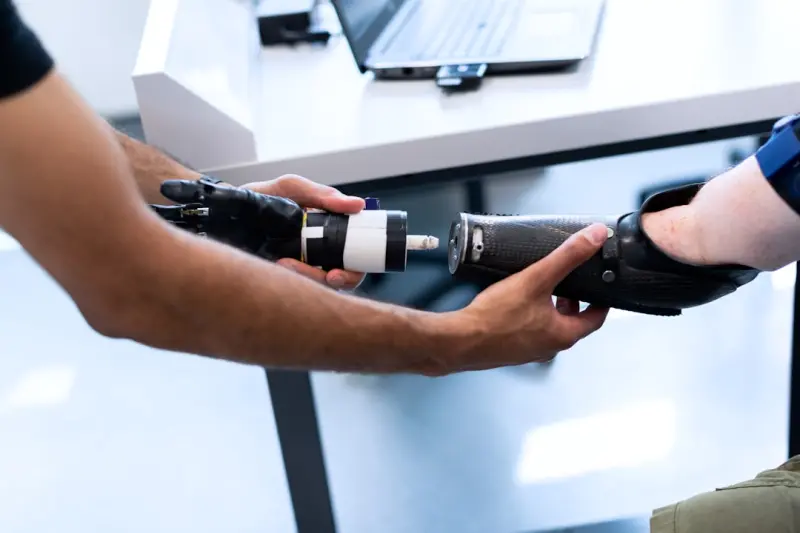
Immersive Tech Meets Hands‑On Healing: Redefining Physiotherapy
Immersive technologies are reshaping physiotherapy, turning routine exercises into interactive, data... Read More
Top Posts

Why Babywearing is a Game‑Changer for Infant Health
Babywearing does more than keep your newborn close—it triggers hormonal, neurological, and microbiome benefits that nurture brain development, muscle growth, ...Read More

When Autoimmune Responses Meet High‑Performance Careers: A Playbook for Sustainable Success
Learn how to turn autoimmune challenges into a strategic advantage with data‑driven health tracking, targeted movement, gut‑brain optimization, and smart wo...Read More

The Sound of Longevity: How Seniors Can Use Everyday Audio to Boost Brain and Heart Health
Seniors discover that everyday sounds—from favorite music to rhythmic breathing—can sharpen memory, lower blood pressure, and foster community. This guide o...Read More

Beyond the Stretch: How Emerging Tech Is Redefining Physiotherapy
Discover the latest physiotherapy innovations—from immersive VR rehab and daily micro‑movements to data‑driven treatment plans—that empower patients to ...Read More
0 Comments
Post Comment
You will need to Login or Register to comment on this post!