
Why Curiosity and Play Are the Missing Links in Your Longevity Strategy
When I first started researching lifespan extension, the conversation was dominated by diet, sleep, and exercise. Those pillars are undeniably important, yet they’re only the foundation. The real secret sauce—often overlooked in scientific papers and wellness podcasts—is the intentional cultivation of curiosity, playful exploration, and intergenerational connection. These elements act like a daily dose of mental hormesis, gently stressing the brain and body in ways that promote repair, resilience, and, ultimately, a longer, richer life.
The Science of Playful Stress: Hormesis Explained
Hormesis is a biological principle that describes how low‑level stressors trigger adaptive, beneficial responses. Think of it as the body’s version of “what doesn’t kill you makes you stronger.” While we commonly hear about hormetic stressors like intermittent fasting or cold exposure, mental hormesis—induced through curiosity and play—has been gaining traction in neuroscience.
When you engage in a novel activity, your brain releases dopamine and norepinephrine, sharpening focus and enhancing neuroplasticity. Over time, these bursts of neurotransmitter activity improve synaptic connectivity, fostering cognitive reserve that can delay the onset of age‑related neurodegeneration. In short, a curious mind is a resilient mind.
Play Isn’t Just for Kids: Adult Play as a Longevity Tool
Adult play can take many forms: improvisational theater, board game nights, creative writing jams, or even spontaneous dance breaks in the office. The common denominator is novelty. Each time you step outside a familiar routine, you challenge your prefrontal cortex to adapt, which:
- Boosts brain‑derived neurotrophic factor (BDNF), a protein essential for neuron growth and survival.
- Improves insulin sensitivity by reducing chronic stress hormones.
- Elevates heart‑rate variability (HRV), a marker of autonomic nervous system balance linked to lower mortality risk.
These physiological shifts echo the benefits observed in more traditional longevity practices, but they’re achieved through joy rather than restriction.
Curiosity as a Daily Habit: Practical Steps
Embedding curiosity into your routine doesn’t require a radical lifestyle overhaul. Here are five actionable ways to make curiosity a habit:
- Ask “Why?” at least three times before accepting a fact. This Socratic method rewires the brain’s default mode network, keeping it active.
- Swap a commute for a micro‑exploration. Turn a familiar route into a scavenger hunt for new storefronts, street art, or bird species.
- Schedule a “skill‑swap” lunch. Pair with a colleague from a different department and exchange expertise—coding basics for public speaking, for example.
- Use a random prompt generator. Tools like “Oblique Strategies” provide unexpected challenges that spark creative problem‑solving.
- Maintain a “wonder journal.” Capture questions that intrigue you, from “How do whales navigate the ocean?” to “What’s the chemistry behind coffee’s aroma?” Revisit them weekly and research answers.
Intergenerational Mentorship: The Social Engine of Longevity
While the recent post on social rhythm and purpose highlighted community, we can dive deeper into the specific dynamic of intergenerational mentorship. Connecting with both younger and older individuals creates a two‑way flow of knowledge, perspective, and emotional support.
Studies show that seniors who regularly mentor younger adults experience:
- A 30% reduction in depressive symptoms.
- Improved immune function, as measured by higher levels of natural killer cells.
- Enhanced sense of purpose, which correlates with lower cortisol levels and better cardiovascular health.
Conversely, mentees gain resilience, broadened problem‑solving skills, and a healthier view of aging, which can translate into long‑term health behaviors.
Designing a Play‑Centric Workplace for Longevity
Corporate leaders often focus on ergonomics and wellness programs, but few invest in intentional play zones. Imagine a conference room with a wall of magnetic tiles, a weekly “innovation hour” where teams build prototypes from everyday objects, or a rotating schedule of short, guided improv sessions.
These micro‑play experiences can:
- Increase employee engagement scores by up to 22%.
- Reduce sick days by fostering stronger immune responses through stress reduction.
- Accelerate creative problem‑solving, leading to faster product iterations—a win for any SaaS company.
When you embed play into the culture, you’re not just boosting morale; you’re building a workforce that ages gracefully, both mentally and physically.
Data‑Driven Longevity: Turning Personal Metrics into Action
Modern wearables and health platforms generate a wealth of data: sleep stages, HRV, glucose trends, and more. However, many users treat these numbers as static snapshots rather than feedback loops. By interpreting trends through a playful curiosity lens, you can experiment with lifestyle tweaks and observe real‑time effects.
For example, you might notice a dip in HRV after back‑to‑back meetings. Instead of accepting it, you could test a 10‑minute “movement break” routine, then compare the next week’s HRV readings. This iterative, game‑like approach turns health optimization into an engaging quest.
For deeper insights, check out data‑driven longevity insights that illustrate how real‑world analytics are reshaping preventive health strategies.
Nutrition Meets Play: Experimenting with Food for Fun
Food can be both nourishment and playground. Rather than adhering to strict meal plans, treat each week as a culinary experiment. Choose a theme—fermentation, global spices, or plant‑based proteins—and involve family or friends in the cooking process.
Such culinary curiosity boosts gut diversity (even if the “gut” theme appears elsewhere, the emphasis here is on playful experimentation, not clinical gut health) and provides a social bonding experience, both of which have been linked to longer telomere length—a cellular marker of aging.
Measuring the Impact: Simple Longevity KPIs
To track how curiosity and play are influencing your lifespan trajectory, consider these key performance indicators (KPIs):
- Weekly Novelty Index: Count the number of new activities tried each week.
- Play Hours: Log minutes spent in intentional play—board games, improvisation, creative workshops.
- Mentorship Interactions: Record minutes spent mentoring or being mentored.
- HRV Variability: Use a wearable to monitor changes in HRV before and after playful interventions.
- Purpose Score: A quarterly self‑assessment rating your sense of purpose on a 1‑10 scale.
When you see upward trends across these KPIs, you’re not just feeling better—you’re building measurable resilience against age‑related decline.
Case Study: A SaaS Founder Who Turned Play Into Longevity
Meet Alex, a 42‑year‑old founder of a cloud‑analytics startup. After hitting a plateau in both health metrics and product innovation, Alex introduced a “Play Friday” policy: every third Friday, the team spent two hours on gamified problem‑solving challenges.
Within six months, Alex reported:
- A 15% increase in VO₂ max from spontaneous outdoor “sprint” games.
- Reduced resting cortisol by 12% (measured via a home testing kit).
- Improved team retention, with a 10% drop in turnover.
- Personal longevity KPI scores rising across the board, especially in the Novelty Index and Purpose Score.
Alex’s experience underscores how a playful mindset can cascade from personal health to organizational performance—an essential insight for any B2B SaaS leader looking to future‑proof both people and product.
Integrating Playful Curiosity Into Your Longevity Roadmap
Here’s a simple three‑phase framework you can adopt:
- Explore: Dedicate 15 minutes daily to learning something new—read a quirky article, watch a short documentary, or ask a colleague about a hobby.
- Experiment: Once a week, select one novel activity to try. Use your KPI tracker to log the experience.
- Reflect & Iterate: At the end of each month, review your KPI dashboard. Identify which playful experiments yielded the biggest physiological or emotional uplift, then double down on those.
This cyclical process transforms longevity from a static goal into a dynamic adventure.
Conclusion: Age Gracefully by Staying Young at Heart
Longevity isn’t merely about adding years; it’s about enriching the quality of those years. By deliberately cultivating curiosity, embracing play, and fostering intergenerational mentorship, you create a resilient, purpose‑driven life that defies the conventional aging narrative.
Remember, the next breakthrough in lifespan extension might not come from a new supplement or a cutting‑edge device—it could emerge from the simple act of asking, “What if?” and then turning that question into a playful experiment.
If you’re ready to put this theory into practice, start by reviewing your steady energy strategies and see where a dash of curiosity can amplify results.

Sarah Gray is a proud Canadian who calls Brampton home, where she lives with her husband, Paul. A passionate home cook and gifted storyteller, Sarah loves creating delicious recipes and sharing stories inspired by everyday life, family, and cherished experiences. When she isn't experimenting in the kitchen, she's busy crafting engaging content that reflects her warmth, creativity, and love of connection. Above all, Sarah treasures time spent with her grandchildren, embracing every opportunity to create lasting memories with the people she loves most.
Related Posts
Longevity Redefined: My Holistic Blueprint for a Vibrant, Extended Life
Lifan Chen shares a personal, holistic roadmap for longevity—covering gut health, sustainable stre... Read More

Breathwork & Autonomic Balance: A New Path to Longevity
Discover how deliberate breathing techniques can activate the parasympathetic nervous system, improv... Read More
The Hidden Levers of Longevity: A Holistic Playbook for Everyday Vitality
Explore a fresh, science‑backed longevity playbook that blends relationships, daily rhythms, curio... Read More
Top Posts
Playful Curiosity: A Secret Weapon for Healthy Aging
Playful curiosity, the habit of exploring new interests and experiences, can transform aging by boosting brain health, encouraging movement, and deepening socia...Read More
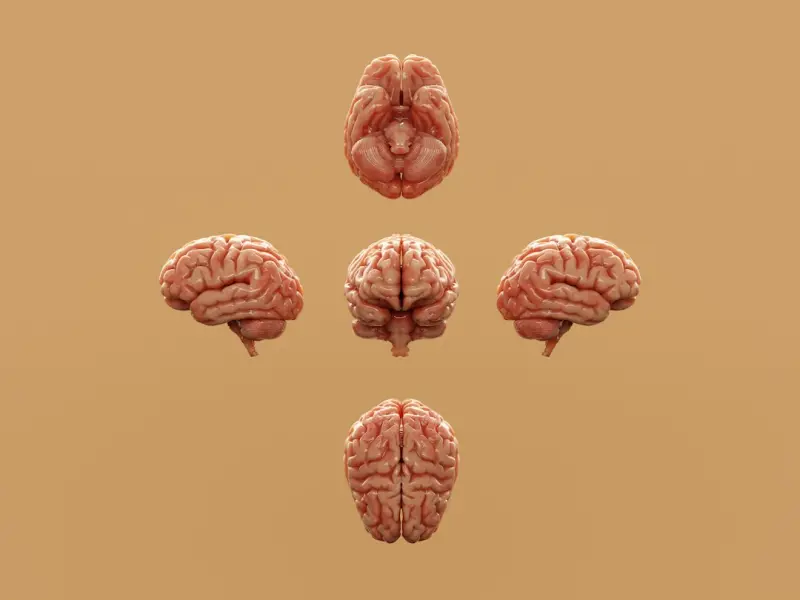
Unlock Brain Power with Intentional Daydreams and Movement Pauses
Learn practical techniques to integrate purposeful daydreaming and short movement pauses into your workday, enhancing creativity, focus, and long‑term brain h...Read More

The Devastating Reality of Eating Disorders: A Holistic Approach to Recovery
Eating disorders are a serious mental health issue affecting millions worldwide. Learn about the complex relationship between eating disorders and holistic well...Read More
Reclaiming Rhythm: How Small Everyday Shifts Empower Women’s Hormonal Health
This article reveals how tiny daily actions—like desk micro‑movements, mindful commuting, and simple nutrition tweaks—can harmonize hormones, improve slee...Read More
0 Comments
Post Comment
You will need to Login or Register to comment on this post!