

The Rise of Immersive Tech in Modern Physiotherapy
Walking into a clinic today feels less like stepping into a traditional treatment room and more like entering a curated experience where physiotherapy meets interactive technology. Patients are now slipping on lightweight headsets that transport them to serene mountain trails or dynamic sports arenas, allowing therapists to prescribe functional movements in a context that feels both purposeful and enjoyable. This shift isn’t just a gimmick; emerging research demonstrates that immersive environments can accelerate motor relearning by up to 30%, as the brain processes visual and proprioceptive cues in tandem, reinforcing neural pathways that traditional static exercises often miss.
Virtual Reality: From Novelty to Clinical Necessity
Virtual reality (VR) platforms have graduated from experimental labs to everyday practice, offering customizable scenarios that address specific impairments such as balance deficits after stroke or proprioceptive loss in ankle sprains. By calibrating difficulty levels in real time, therapists can safely push patients just beyond their comfort zones, fostering confidence while minimizing the risk of re-injury. Moreover, built‑in analytics capture metrics like stride length, joint angles, and reaction times, feeding directly into electronic health records and enabling data‑driven adjustments without the need for cumbersome manual note‑taking.
Wearables and Tele‑Physio: Extending Care Beyond the Clinic
The marriage of wearable sensors with tele‑physiotherapy platforms is redefining continuity of care, especially for individuals juggling demanding schedules or living in remote areas. Small, unobtrusive devices affixed to the wrist, ankle, or lumbar region stream live motion data to a secure cloud, where algorithms flag deviations from prescribed movement patterns and alert clinicians instantly. This real‑time feedback loop empowers patients to self‑correct during home exercises, preserving the integrity of the program and reducing the likelihood of regression between visits.
Community‑Based Movement: Healing Through Shared Experience
Beyond high‑tech solutions, the power of community remains a cornerstone of effective physiotherapy, especially for chronic pain sufferers who often feel isolated by their condition. Group sessions cultivate a supportive atmosphere where participants witness each other’s progress, share coping strategies, and celebrate incremental victories together. The simple act of moving in unison—whether through gentle yoga flows or low‑impact circuit training—creates a sense of belonging that can diminish pain perception and boost adherence to therapeutic regimens.
Playful Rehabilitation: Gamifying Recovery for Lasting Motivation
Integrating game mechanics into rehabilitation—think point scoring, level progression, and friendly competition—transforms repetitive exercises into engaging challenges that patients look forward to completing. By embedding clear, attainable goals within each session, therapists tap into intrinsic motivation, encouraging patients to push past plateaus without the dreaded “burnout” often associated with monotonous routines. The added social layer of leaderboards or partner challenges further amplifies commitment, as participants strive not only for personal improvement but also for peer recognition.
Rhythm and Motion: Harnessing Music to Enhance Neuroplasticity
Music’s ability to synchronize movement is a well‑documented phenomenon, yet its systematic incorporation into physiotherapy protocols remains underutilized. When patients align their steps or stretches to a steady beat, the brain’s auditory‑motor pathways become more efficiently engaged, accelerating the rewiring needed after injury. Selecting tempos that match targeted gait speeds or range‑of‑motion goals can therefore serve as a low‑cost, high‑impact adjunct to traditional therapeutic techniques, enriching the sensory environment and fostering a more holistic healing process.
Designing Home Spaces for Active Recovery
Translating clinic‑based success to the home environment requires intentional design choices that encourage movement without overwhelming the resident. Simple adjustments—such as positioning a sturdy chair near a clear pathway for seated leg lifts, or installing a wall‑mounted resistance band at eye level—can turn everyday rooms into functional therapy zones. For readers interested in deeper strategies, my earlier piece Design Your Environment offers actionable steps to restructure living spaces in ways that naturally promote activity and well‑being.
Desk‑Bound Professionals: Bridging the Gap Between Work and Wellness
Many office workers experience postural strain and muscular imbalances after long hours seated, yet they rarely seek professional help until pain becomes chronic. Targeted micro‑sessions that incorporate brief, equipment‑free strengthening—such as scapular retractions, hip flexor stretches, and seated core activations—can be woven seamlessly into the workday. My guide on Muscle Gain for the Desk‑Bound Professional outlines a realistic blueprint that pairs these interventions with ergonomic adjustments, ensuring that therapeutic gains are maintained without sacrificing productivity.
Looking Ahead: A Collaborative, Adaptive Future for Physiotherapy
The next frontier of physiotherapy will be defined by an integrated ecosystem where technology, community, and environment coalesce to deliver personalized, adaptable care. Therapists will serve as curators of experiences—blending VR immersion, wearable analytics, group dynamics, and home‑design principles—to meet patients exactly where they are in their recovery journey. By embracing this multidimensional approach, we not only accelerate physical outcomes but also nurture the mental resilience needed for lasting health, turning each step of rehabilitation into a celebration of progress.

Related Posts
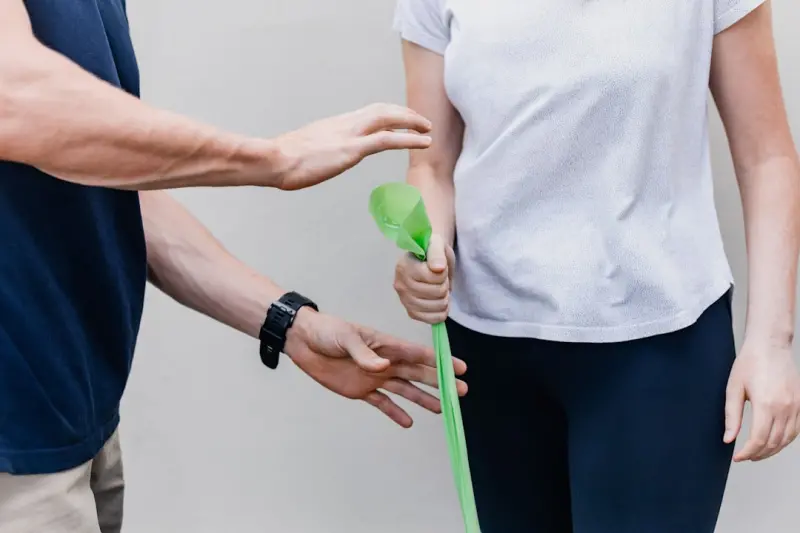
Proprioceptive Mastery: Redefining Physiotherapy for Faster Recovery
Proprioceptive training combined with wearable technology is revolutionizing physiotherapy. Learn wh... Read More

Reimagining Physiotherapy: The Rise of Digital Motion Coaching
Digital motion coaching blends wearable sensors, AI analysis, and interactive platforms to extend ph... Read More
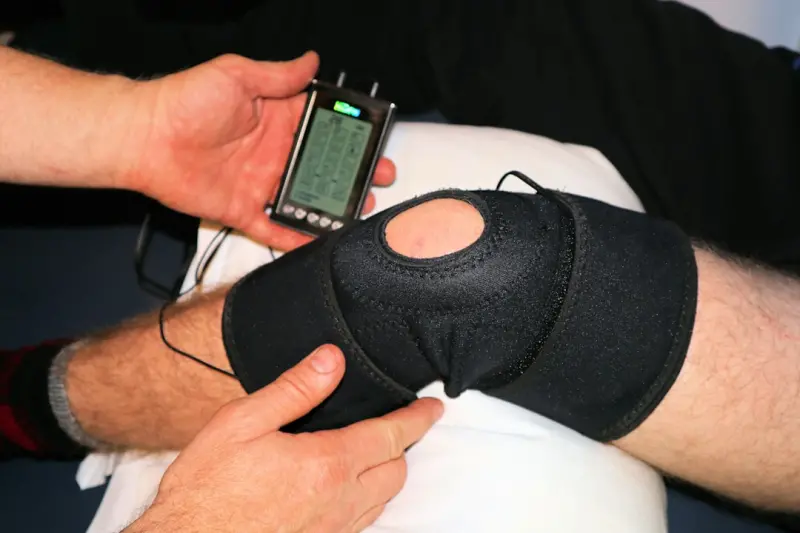
AI‑Powered Physiotherapy: How Smart Tech Is Redefining Recovery
Explore the rise of AI‑powered physiotherapy, where computer vision, smart wearables, and adaptive... Read More
Top Posts

Playful Resilience: Rewiring Your Brain with Curiosity and Micro‑Adventures
Explore a fresh mental‑health approach that leverages curiosity, micro‑adventures, and purposeful sensory breaks to reduce anxiety, boost creativity, and bu...Read More

Beyond the Cloud: How Vaping Is Redefining Social Interaction
Vaping is evolving from a solitary habit into a vibrant social experience, influencing community rituals, sustainability discussions, and mindful wellness pract...Read More

The Creative Rituals Behind Modern Vaping
Explore vaping beyond nicotine: a personal journey into creativity, social connection, and eco‑friendly practices that transform each puff into a mindful ritu...Read More

Finding Quiet Strength: A Personal Journey Through Cancer and Everyday Resilience
A candid look at cancer through everyday courage, practical nutrition, mindful movement, and community support that empower lasting resilience....Read More
0 Comments
Post Comment
You will need to Login or Register to comment on this post!