
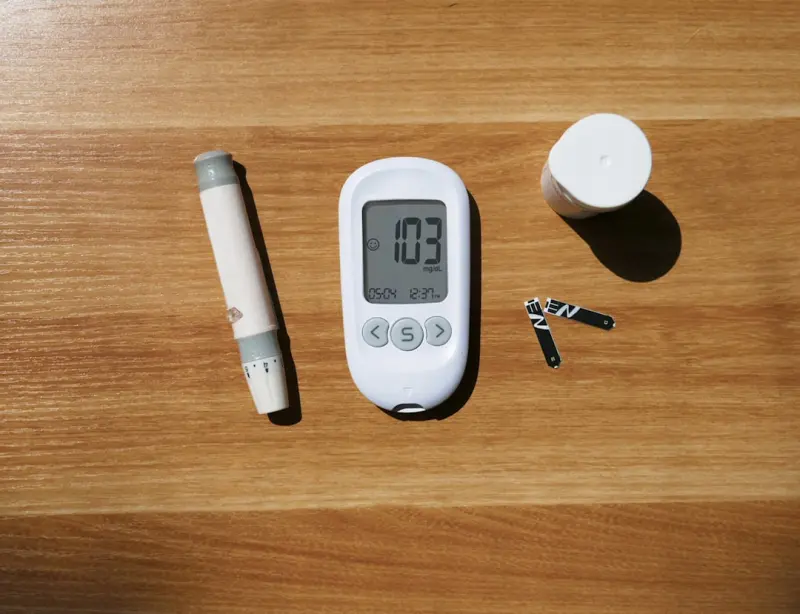
The Shock of the Label
When my doctor mentioned prediabetes for the first time, the words landed like a sudden gust of wind, scattering the calm I had built around my daily routine; I felt a mix of denial, fear, and an unexpected surge of curiosity about what this label truly meant for my future. In the days that followed, I replayed the conversation in my mind, questioning whether a single lab value could redefine my identity, and I realized that the real battle was not against a number but against the narrative I was about to write for myself. The stigma attached to the diagnosis—whispers of “will‑they‑lose‑weight” or “just eat less”—quickly turned my internal dialogue into a louder, more critical voice that doubted my ability to change. Yet, amid the swirling emotions, a quiet determination emerged: I would not let a clinical term dictate the story of my life, and I would use this moment as a catalyst for a deeper, more compassionate relationship with my body.
Redefining Social Interactions
Family gatherings and friendly brunches, once carefree celebrations, suddenly became strategic arenas where I had to anticipate hidden carbs, sugar‑laden sauces, and well‑meaning comments about “just cutting back.” I learned to ask subtle questions about ingredients before plates arrived, and I discovered that a simple, “What’s in the dressing?” can disarm a host while giving me the information I need to stay on track. Balancing Blood Sugar Naturally: A Personal Blueprint taught me that transparency doesn’t have to feel like a lecture; instead, it can be framed as a shared curiosity about healthier twists on classic dishes. Over time, my friends began to appreciate my willingness to experiment, turning my dietary tweaks into collaborative cooking adventures rather than solitary sacrifices, and the social pressure that once felt oppressive softened into a supportive dialogue about wellness.
Micro‑Habits That Matter
Instead of overhauling my entire lifestyle overnight, I focused on micro‑habits that slipped seamlessly into my existing schedule—like swapping a sugary latte for a cinnamon‑spiced herbal tea during my mid‑morning slump, or parking two blocks farther from the office entrance to guarantee a short walk before lunch. These tiny adjustments, each taking less than five minutes, compounded into noticeable shifts in my energy levels, and they proved far more sustainable than drastic diet plans that threatened to crash after a week. I also introduced a “no‑screen” rule for the first 30 minutes after dinner, allowing my mind to unwind without the hidden stressors of social media, which often trigger mindless snacking. By tracking these modest wins in a simple journal, I could see patterns emerge, reinforcing the belief that consistent, small choices build the foundation for lasting health improvements.
Building a Supportive Ecosystem
The journey from diagnosis to daily empowerment became dramatically easier when I reached out to communities that understood the nuanced challenges of prediabetes, both online and in my neighborhood. Joining a local wellness circle offered a space where members exchanged recipes, celebrated each other's milestones, and provided gentle reminders during moments of doubt; the collective energy turned personal setbacks into shared learning opportunities. I also discovered that nature‑based stress relief can be a powerful ally—Finding Calm in the Wild highlighted how brief walks among trees can lower cortisol, a hormone that spikes blood glucose, reinforcing the idea that mental calm directly supports metabolic health. By integrating these social and environmental resources, I crafted a robust support network that kept me accountable while reminding me that I was never alone in this pursuit.
Tech‑Enabled Tracking without Obsession
While many fear that constant monitoring can become a source of anxiety, I found that selective use of technology offered clarity without overwhelm; a discreet smartwatch reminded me to stand every hour, and a simple glucose‑tracking app logged my occasional finger‑stick readings alongside notes about meals and mood. This data, when reviewed weekly, revealed correlations I would have otherwise missed—like the fact that a late‑night Netflix binge often coincided with a slight glucose rise, prompting me to replace screen time with a calming bedtime routine. The article Wearable Tech Meets Physiotherapy inspired me to treat my devices as collaborative partners, using their insights to fine‑tune activity levels rather than dictate them. By setting gentle alerts—such as a reminder to hydrate after a workout—I transformed technology into a subtle coach that nudged me toward healthier choices without becoming a constant watchdog.
Emotional Resilience and the Power of Self‑Compassion
Every setback—whether a missed workout, an indulgent dessert, or a stressful day that spiked my blood sugar—once felt like proof that I was failing, but I gradually re‑programmed my inner dialogue to view these moments as data points rather than verdicts. Practicing self‑compassion involved acknowledging the slip, offering myself a kind explanation, and then planning a concrete, achievable step for the next day; this approach reduced the shame that often leads to a cycle of bingeing and guilt. I also incorporated brief mindfulness exercises, such as a three‑minute breathing pause before meals, which helped me recognize true hunger cues versus emotional cravings. Over time, this compassionate mindset cultivated a resilience that allowed me to bounce back quickly, turning each challenge into an opportunity to refine my strategy and deepen my trust in my own capacity for change.
Turning Insight into Action: A Call to Embrace the Journey
Living with prediabetes is less about a rigid set of rules and more about an evolving partnership with oneself, where each choice—big or small—adds a brushstroke to a larger picture of health and confidence; by sharing my story, I hope to inspire others to view their diagnosis not as a verdict but as an invitation to explore new habits, supportive relationships, and personal strengths they may have previously overlooked. If you find yourself at the crossroads of uncertainty, consider reaching out to a community, experimenting with micro‑habits, and leveraging technology as a gentle guide rather than a strict overseer. Remember, the path to reversing prediabetes is paved with empathy, curiosity, and consistent, compassionate action—qualities that reside within each of us, waiting to be awakened.

Related Posts
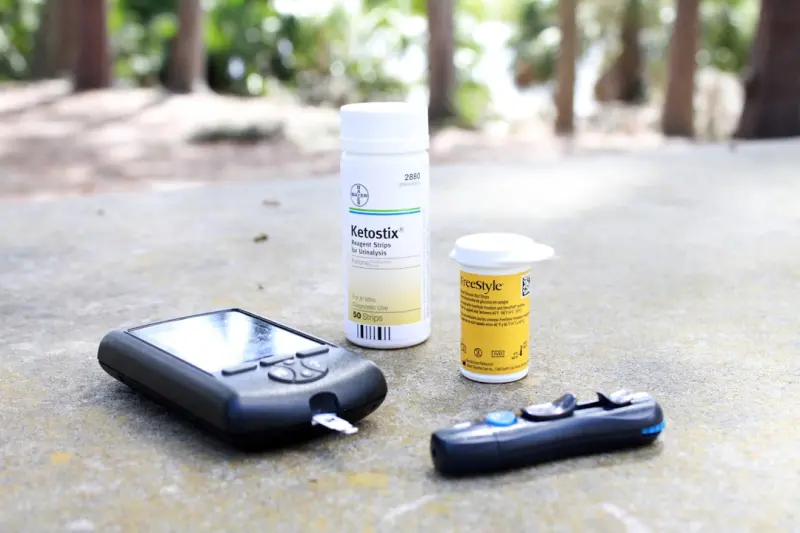
Prediabetes and the Invisible Workload: Managing the Hidden Stressors of a Silent Diagnosis
Prediabetes brings more than blood‑sugar concerns; it adds hidden stressors that affect identity, ... Read More

Reimagining Everyday Choices: A Fresh Take on Prediabetes Prevention
A practical guide that blends mindset shifts, culinary creativity, smart movement, and subtle data u... Read More
Why Stress Management Is the Missing Piece in Your Prediabetes Plan
Chronic stress silently drives blood sugar higher and sabotages insulin sensitivity. Learn why corti... Read More
Top Posts

The Remote Work Blood Sugar Playbook
Discover a practical, data‑backed plan for remote workers to manage blood sugar through structured eating windows, stress‑adaptive nutrition, micro‑bursts...Read More
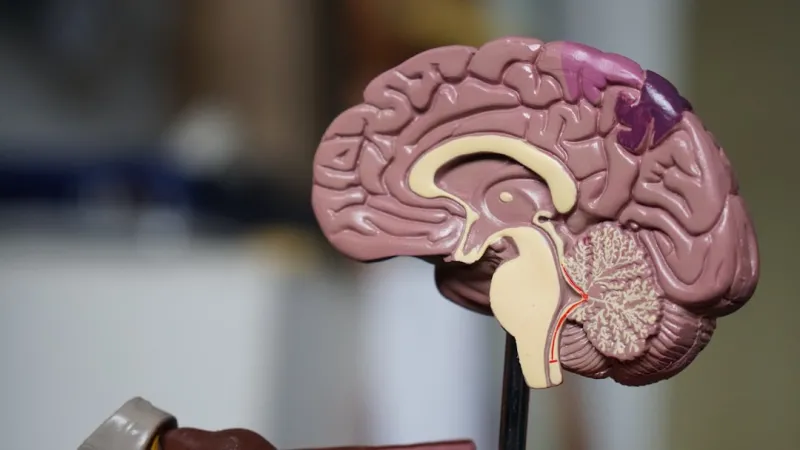
Nourish Your Mind: Holistic Strategies for Peak Brain Health
Explore practical, science‑backed strategies—from gut‑brain nutrition to mindful movement and restorative sleep—that empower you to sharpen focus, prote...Read More

Reboot Your System: A Holistic Guide to Everyday Body Detox
Explore a holistic approach to body detox that blends hydration, nutrition, movement, and sleep, offering sustainable habits for lasting vitality....Read More

Habit Stacking for Sustainable Weight Loss: How Tiny Shifts Create Big Results
Learn how pairing new, tiny health actions with existing daily routines can create lasting weight loss, boost energy, and reshape your relationship with food....Read More
0 Comments
Post Comment
You will need to Login or Register to comment on this post!