
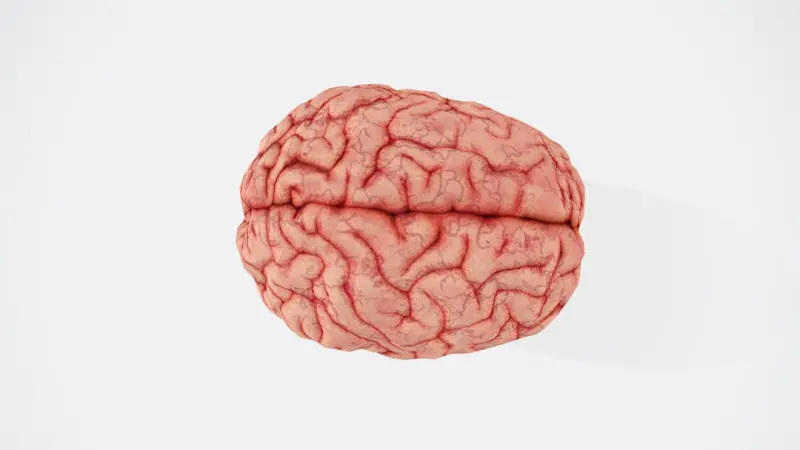
Why Intermittent Novelty Is the Missing Piece in Your Brain‑Health Puzzle
When I first stumbled onto the concept of “intermittent novelty,” I thought it sounded like another buzzword from the self‑help aisle. Yet, as a lifelong tinkerer and a chronic learner, I quickly realized that the brain thrives on surprise in a way that most of our daily routines actively suppress. We live in an age of efficiency, where habits are honed to razor‑sharp precision, and the cost of breaking those habits feels like a productivity penalty. But what if the very act of shaking up our routine—by rotating hobbies, exploring new sensory environments, or simply sprinkling unexpected challenges throughout the day—could be the most powerful catalyst for neuroplastic growth?
The Science Behind Surprise
Neuroplasticity, the brain’s ability to rewire itself, is driven by the release of neurotransmitters like dopamine and norepinephrine whenever we encounter something novel. This chemical cocktail fuels the formation of new synaptic connections, strengthens existing pathways, and, crucially, helps us retain information longer. Research shows that novelty activates the hippocampus, the brain’s memory hub, and the prefrontal cortex, which governs executive function and decision‑making. In short, when we expose ourselves to unfamiliar stimuli, we give these brain regions a workout that is fundamentally different from the repetition of standard tasks.
Intermittent Novelty vs. Constant Stimulation
It’s easy to conflate “novelty” with the endless scroll of social media or the barrage of notifications that flood our phones. That kind of constant, low‑level stimulation is actually counterproductive: it leads to dopamine fatigue, reduces attention span, and blunts the brain’s reward system. Intermittent novelty, by contrast, is intentional and spaced. Think of it as high‑intensity interval training for the mind: short, intense bursts of new experiences followed by periods of rest where the brain consolidates the new pathways it just forged.
When you schedule a deliberate novelty session—say, learning a basic chord on the ukulele, trying a new cooking technique, or navigating an unfamiliar neighborhood on foot—your brain receives a potent signal that “something valuable is happening.” After the session, a rest period allows the neural patterns to solidify, much like cooling down after a sprint.
Practical Ways to Sprinkle Novelty Into a Busy Life
Below are actionable strategies that let you embed intermittent novelty without derailing your workload or personal commitments.
- Rotate Skill‑Sets Monthly. Pick three skills you’ve always wanted to dabble in—photography, origami, basic coding, or even mixology. Commit to each for a month, dedicating just 15 minutes a day. When the month ends, switch to the next skill, then circle back after a few months.
- Change Your Commute. If you drive, park a few blocks away and walk the rest. If you take public transit, try a different route or switch to a bike for a day. The new visual and auditory cues keep your brain alert.
- Introduce “Sensory Switches.” Alter the sensory backdrop of your work environment. Swap your usual desk lamp for a warm amber bulb, or play ambient nature sounds for an hour. The shift in lighting and sound patterns triggers low‑level novelty without being disruptive.
- Micro‑Adventure Lunch Breaks. Instead of scrolling through your phone, step outside and explore a nearby park you’ve never visited, or try a cuisine you’ve never tasted. Even a short walk to a new coffee shop can provide a fresh context for your thoughts.
- Random Knowledge Doses. Subscribe to a “fact‑of‑the‑day” newsletter or set a phone reminder that delivers a random piece of trivia. The surprise element nudges the brain to connect disparate ideas, enhancing creative thinking.
Why the Brain Loves “Playful Failure”
One of the most underrated aspects of novelty is the opportunity to fail in a low‑stakes environment. When you attempt a new hobby, you’re bound to stumble—miss a chord, drop a stitch, or over‑salt a sauce. This “playful failure” activates the brain’s error‑monitoring circuits, which are essential for learning. By embracing failure as a feedback loop rather than a verdict, you keep the dopamine surge alive and encourage the brain to keep trying new pathways.
In fact, a study from the University of Helsinki showed that participants who engaged in a weekly “novelty challenge” (learning a new skill for 30 minutes) displayed a 15% increase in gray matter density in the hippocampus over six months. The effect was most pronounced in individuals who welcomed mistakes as part of the process.
Integrating Novelty With Existing Wellness Practices
Many of our readers are already investing in nutrition, sleep, and mindfulness. Intermittent novelty can complement these pillars without adding complexity.
For example, you might pair a new hobby with your morning meditation: spend the first five minutes visualizing the skill you’ll practice later, then transition into the activity. This primes the brain for the upcoming novelty and reinforces the habit loop.
Similarly, if you’re already tracking your sleep, notice how nights after a novelty session feel. Many people report richer REM cycles, likely because the brain is processing new experiences during sleep—a natural extension of the consolidation process.
How Novelty Interacts With Nutrition
While the focus here is on experiential novelty, it’s worth mentioning that what you eat can amplify the benefits. Certain nutrients—Omega‑3 fatty acids, flavonoids, and B‑vitamins—support synaptic plasticity. If you’re experimenting with a new cooking technique, consider incorporating brain‑friendly foods like leafy greens, berries, and fatty fish. In fact, a deeper dive into the relationship between diet and cognition can be found in how food choices shape neural pathways. Combining sensory novelty (new flavors) with physical novelty (new skills) creates a multi‑dimensional stimulus that can supercharge neuroplastic growth.
Balancing Novelty With Digital Minimalism
Some of you may wonder whether adding novelty could clash with the principles of digital minimalism—a movement many of us have embraced to reclaim focus. The key distinction lies in intentionality. Digital minimalism advocates for reducing background noise, whereas intermittent novelty encourages deliberate, high‑impact experiences. By scheduling novelty sessions, you can maintain a minimalist digital environment while still feeding your brain the surprises it craves. For a deeper look at how trimming screen time can free up mental bandwidth, see less screen time can free mental bandwidth.
Measuring the Impact: Simple Self‑Tracking Hacks
One of the best ways to stay motivated is to see tangible progress. Here are three low‑effort metrics you can track:
- Focus Duration. Use a timer app to record how long you can maintain deep focus after a novelty session. Over weeks, you should notice an increase.
- Idea Generation. Keep a “brainstorm log” where you jot down any new ideas or insights that surface after a novelty activity. Count the entries per week.
- Mood Rating. Rate your mood on a 1‑10 scale before and after the session. A consistent boost suggests the novelty is positively influencing affect.
When you notice upward trends, you’ll have concrete evidence that these micro‑adventures are doing more than just breaking monotony—they’re reshaping your brain.
Potential Pitfalls and How to Avoid Them
Even the most well‑intentioned novelty plan can backfire if not executed thoughtfully. Here are common missteps:
- Over‑Scheduling. Trying to cram too many new activities into a single week can lead to overwhelm and burnout. Stick to one primary novelty per week and keep other commitments light.
- Choosing “Trendy” Over “Meaningful”. Jumping on every viral challenge might dilute the neuroplastic benefits. Prioritize activities that genuinely intrigue you.
- Neglecting Rest. The brain needs downtime to consolidate new connections. Ensure you have at least 24‑hour gaps between high‑intensity novelty sessions.
By respecting these boundaries, you maintain the delicate balance between stimulation and recovery, which is essential for long‑term cognitive health.
Real‑World Stories: How Intermittent Novelty Changed My Life
When I first incorporated a weekly “novelty hour,” I chose to learn basic sketching. I was terrible at it, but the frustration was oddly invigorating. Within a month, I noticed two surprising changes: my ability to recall meeting details improved, and I felt more energized during afternoon work sessions. The novelty challenge forced my brain to encode visual patterns, which then translated into sharper memory for textual information.
Another colleague, Maya, swapped her regular coffee break for a 20‑minute foreign‑language podcast. After six weeks, she reported a noticeable uptick in creative problem‑solving during project planning meetings. The language exposure activated her auditory cortex in new ways, spilling over into enhanced pattern recognition in her primary field of data analytics.
Designing Your Personal Intermittent Novelty Blueprint
Ready to get started? Follow this three‑step framework:
- Identify Your Curiosity Zones. List five domains you’ve never explored (e.g., woodworking, jazz improvisation, urban foraging).
- Set a Rotation Schedule. Allocate 30‑minutes twice a week for each domain, rotating every four weeks.
- Reflect and Adjust. At the end of each month, review your focus duration, idea generation, and mood ratings. Keep activities that show measurable benefits and replace others with fresh challenges.
This structured approach ensures novelty remains a sustainable habit rather than a fleeting experiment.
The Long‑Term Vision: A Brain That Evolves With You
Imagine a future where your brain isn’t a static organ that simply ages, but a dynamic ecosystem that continually adapts to the world’s ever‑changing landscape. Intermittent novelty is the catalyst that makes that vision possible. By intentionally weaving new experiences into the fabric of daily life, you give your neural circuits the raw material they need to stay resilient, agile, and creative.
In a world that rewards specialization, paradoxically, the most valuable skill may be the ability to be a lifelong beginner—someone who can pivot, explore, and integrate fresh knowledge without losing depth in their core expertise. Embrace intermittent novelty, and you’ll discover that the brain’s capacity for growth is far more expansive than the calendar ever suggested.

Tom Ferguson is a Canadian freelance writer with a passion for storytelling, current events, and thoughtful commentary. Drawing on years of writing experience, he shares engaging insights on a wide range of topics, bringing a uniquely Canadian perspective to his work.
Related Posts
Neural Nutrition: Structuring Your Digital Day for Brain Longevity
Neural Nutrition teaches you how to feed your brain through intentional digital design, micro‑brea... Read More
Unlocking Brain Health in 2026: Holistic Strategies for a Sharper Mind
Explore 2026’s top holistic strategies—from nutrition and movement to sleep and tech—to sharpe... Read More
Brain Boost Blueprint: Neuro‑Fitness for the Modern Professional
A deep dive into actionable brain‑health habits—ranging from micro‑learning bursts and strateg... Read More
Top Posts

The Untapped Power of Gentle Touch: How Daily Infant Massage Boosts Immunity, Brain Development, and Bonding
Discover why incorporating a simple, daily massage routine can transform your baby’s health, from immune resilience to faster brain development, while strengt...Read More
The Gut‑Brain Edge: How Microbiome Mastery Boosts Mental Performance
Discover how a diverse microbiome, timed nutrition, and gut‑friendly stress management can transform mental clarity and resilience for busy professionals....Read More

When Sleep Terrors Speak: Turning Nighttime Panic into a Wellness Blueprint
Sleep terrors can feel terrifying, but they’re a powerful signal from your body. Learn how to interpret the cues, adjust lifestyle factors, and use modern too...Read More
Health Insurance as a Growth Engine: Turning Benefits into Business Value
Explore how a data‑driven, personalized health‑insurance model can become a competitive advantage, driving employee well‑being, productivity, and measurab...Read More
0 Comments
Post Comment
You will need to Login or Register to comment on this post!