
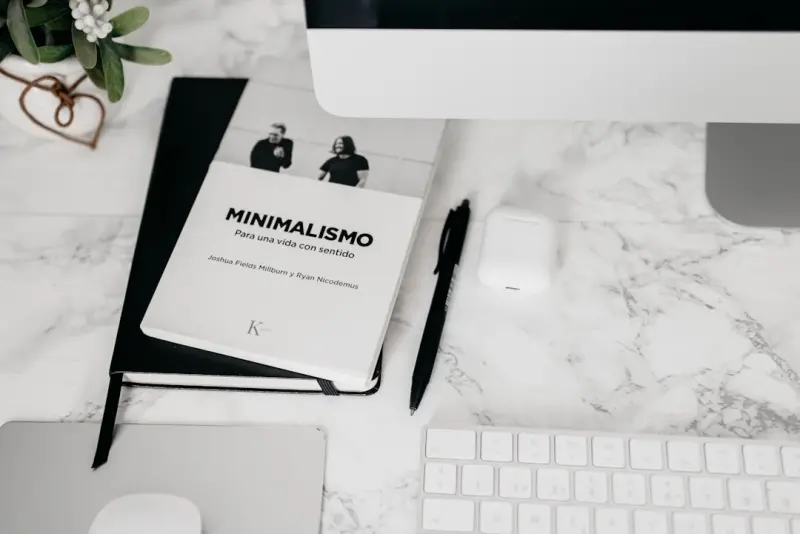
Why the Phone in Your Hand Might Be the Fastest Way to Age
When I first started tracking my own health metrics, I was dazzled by the flood of data—steps, heart‑rate variability, sleep stages, even micro‑nutrient levels. I built dashboards, set alarms, and chased every new wearable feature. Yet, after months of obsessing over numbers, I noticed a subtle but persistent fog: my concentration slipped, my evenings felt shorter, and the once‑sharp edge of my curiosity dulled. It took a candid conversation with a neuroscientist friend to realize that the real enemy wasn’t a lack of data, but an overabundance of digital stimuli.
The Hidden Cost of Constant Connectivity
Modern devices are engineered for attention capture. Push notifications, infinite scroll feeds, and algorithmic content loops keep the brain in a perpetual state of “alert‑and‑react.” Neuroscience tells us that this chronic low‑level stress spikes cortisol, disrupts the glymphatic clearance system (the brain’s nightly cleaning crew), and erodes neuroplasticity—the very mechanism that lets us learn, adapt, and recover from injury.
When cortisol stays elevated, the body enters a catabolic mode: protein breakdown accelerates, telomeres—those protective caps at the end of chromosomes—shorten faster, and inflammation flares up. All of these pathways are well‑documented contributors to accelerated aging. In other words, the more we let our screens dictate our rhythm, the more we shave years off our biological clock.
From Light Exposure to Cognitive Load: Two Sides of the Same Coin
One of the most immediate ways our devices age us is through blue‑light exposure. The light exposure and circadian health article explains how photons of different wavelengths interact with retinal ganglion cells, sending signals that either reinforce or disrupt our internal clock. Late‑night scrolling not only pushes melatonin production later but also sends mixed messages to the hypothalamus, which then misaligns hormone release, glucose metabolism, and immune function.
Beyond the visual impact, the cognitive load imposed by multitasking between emails, chats, and newsfeeds forces the prefrontal cortex into a state of constant task‑switching. This “attention residue” lingers for up to 30 minutes after a switch, reducing the efficiency of any subsequent mental work. Over years, this pattern fragments neural pathways, making it harder to achieve deep focus—a skill linked to the production of brain‑derived neurotrophic factor (BDNF), a protein critical for neuronal survival and longevity.
Reframing Digital Use as a Longevity Intervention
Instead of viewing technology as a neutral tool, we can treat it as a modifiable risk factor, just like diet or exercise. The same way we monitor blood pressure or cholesterol, we can audit our digital habits. Below are three evidence‑backed levers that can transform a device‑driven stressor into a longevity ally.
1. Structured “Digital Sabbaticals”
Research on intermittent fasting shows that periodic deprivation triggers cellular repair pathways such as autophagy. The digital analogue is a regular, intentional break from all screens—a “digital sabbatical.” Aim for a minimum of 24 hours each month where you disconnect entirely: no phone, no laptop, no TV. During this window, prioritize physical movement, natural light exposure, and analog activities like reading or gardening. The result is a reset of the sympathetic nervous system, lowering baseline cortisol and allowing the brain’s glymphatic system to operate more efficiently.
2. Curated Notification Architecture
Every buzz is a micro‑stress event. Conduct a “notification audit”: turn off nonessential alerts, group essential ones into a single daily digest, and set “quiet hours” that align with your sleep schedule. By consolidating interruptions, you give the brain longer uninterrupted periods—critical for deep work and the consolidation of memory during the “offline” phases of the day.
3. Intentional Light Management
Use device settings or third‑party apps that shift screen color temperature to warmer tones after sunset. Pair this with physical light control: dim ambient lighting, use amber nightlights, and consider wearing blue‑light‑blocking glasses in the evening. Aligning digital light output with natural dusk cues reinforces melatonin secretion, improving sleep quality—a cornerstone of cellular repair and longevity.
Measuring the Impact: From Subjective Feelings to Quantifiable Data
One of the biggest challenges in lifestyle medicine is translating qualitative improvements (like feeling “more focused”) into objective metrics. This is where a longevity data dashboard becomes invaluable. By integrating wearables, sleep trackers, and even smartphone usage statistics, you can create a personalized view of how digital habits correlate with heart‑rate variability, resting heart rate, and sleep efficiency.
Set baseline values for a two‑week “normal use” period, then implement one of the three interventions above for the next two weeks. Track changes in:
- HRV (Heart‑Rate Variability): Higher HRV indicates better autonomic balance and resilience to stress.
- Sleep Architecture: Look for increased proportion of deep (slow‑wave) sleep, which is when the glymphatic system flushes metabolic waste.
- Screen‑time Metrics: Total minutes per day, number of unlocks, and time spent on high‑stimulus apps (social media, news).
Even modest improvements—say a 5‑minute increase in deep sleep or a 10% rise in HRV—can compound over years, translating into measurable extensions in health‑span.
The Role of “Sensory Enrichment” in a Digital World
While many of us think of sensory enrichment as adding new experiences (music, aroma, texture), the principle can be turned on its head: we can also reduce unnecessary sensory noise. A cluttered notification feed is a form of auditory and visual overload. By simplifying the sensory landscape—turning off nonessential app badges, silencing background sounds, and limiting visual clutter on the home screen—we give the brain the space it needs to focus on restorative processes.
In practice, this means adopting a minimalist home‑screen layout, using monochrome icons, and setting a single “focus” wallpaper that isn’t constantly changing. The calmer visual field reduces the brain’s need to constantly scan for novelty, conserving cognitive resources for deeper, more meaningful tasks.
Beyond the Screen: Integrating Physical Environments for Longevity
Digital minimalism should not be an isolated practice. Pair it with physical environment tweaks that support longevity:
- Biophilic Design: Incorporate plants, natural wood, and stone surfaces. Exposure to greenery has been linked to lower blood pressure and reduced cortisol.
- Temperature Zoning: Allow your body to experience slight variations (cooler evenings, modest warmth in the morning) to stimulate hormetic stress pathways—similar to the concepts explored in temperature‑based longevity research.
- Soundscapes: Replace the constant hum of notifications with curated ambient sounds (e.g., gentle rain, low‑frequency tones). This can lower sympathetic arousal and improve focus.
When these physical elements align with a disciplined digital routine, the combined effect is synergistic, creating an ecosystem that supports cellular repair, hormone balance, and mental clarity—all vital ingredients for a longer, healthier life.
Practical Starter Kit: 7‑Day Digital Declutter Plan
To make the transition less daunting, here’s a concrete week‑long plan you can copy‑paste into your calendar:
- Day 1 – Audit: Export your phone’s screen‑time report. Identify top three apps that consume >2 hours daily.
- Day 2 – Notification Clean‑Sweep: Turn off all nonessential alerts. Keep only calls, messages from close contacts, and calendar reminders.
- Day 3 – Light Tune‑Up: Enable “Night Shift” or equivalent. Set a reminder to dim lights at sunset.
- Day 4 – Micro‑Fast: Implement a 1‑hour “no‑screen” window in the morning before coffee.
- Day 5 – Digital Sabbatical Prep: Choose a Saturday or Sunday for a full 24‑hour disconnect. Inform friends/family of your plan.
- Day 6 – Physical Enrichment: Add a houseplant to your workspace and spend 10 minutes each day caring for it.
- Day 7 – Reflect & Record: Review your HRV, sleep data, and screen‑time. Note any subjective changes (energy, mood, focus).
After the first week, iterate. Pick a new set of apps to limit, extend the “no‑screen” window, or experiment with a weekly digital sabbatical. Consistency is the key; the brain thrives on predictable patterns.
Future Outlook: A Culture That Values Cognitive Rest
Society is gradually recognizing the value of “mental downtime.” Companies are experimenting with “email‑free Fridays,” schools are teaching digital‑wellness curricula, and governments are debating right‑to‑disconnect legislation. As these norms solidify, the collective stress load will drop, potentially shifting population health metrics in a positive direction.
For individuals, the message is clear: you have agency over one of the most pervasive aging accelerators of our era. By deliberately curating your digital environment, you’re not just improving productivity—you’re investing in the very biology of longevity.
Takeaway: Turn Your Devices from Age Accelerators into Longevity Tools
Longevity is rarely about a single miracle intervention. It emerges from the sum of countless daily choices—what you eat, how you move, how you breathe, and, increasingly, how you interact with technology. By applying the principles of digital minimalism—structured breaks, notification discipline, and thoughtful light management—you can transform a hidden stressor into a potent lever for a longer, sharper, and more vibrant life.

Lifan Chen is a freelancer based in Toronto specializing in marketing. With expertise in crafting effective marketing strategies and campaigns, Lifan helps businesses grow their brand presence and reach target audiences. As a Toronto-based freelancer, Lifan combines local market insights with creative marketing skills to deliver tailored solutions for clients.
Related Posts
Curiosity as a Longevity Engine: How Lifelong Learning Rewrites Your Biological Clock
Exploring the hidden link between curiosity, brain health, and aging, this article shows how lifelon... Read More
Illuminating Longevity: How Light Shapes a Longer, Healthier Life
Learn how strategic exposure to sunrise, evening darkness, and calibrated artificial lighting can re... Read More

The Longevity Edge: Harnessing Social Synchrony for a Longer, Healthier Life
Discover how intentional social connection and rhythmic community engagement can act as powerful lon... Read More
Top Posts
Nurturing Your Gut for a Sharper, More Resilient Brain
Explore the gut‑brain connection and learn actionable steps—from fermented foods to stress‑free sleep—that support a healthier mind and sharper cognitio...Read More

Seasonal Sync: A Fresh Approach to Nourishing Your Liver
Explore a fresh, seasonal strategy to nurture your liver through diet, mindfulness, sleep, and movement, turning everyday habits into powerful liver support....Read More

Finding Freedom: A Holistic Journey Through Eating Disorders
A personal, holistic guide to breaking free from eating disorders—blending therapy, mindful nutrition, and community for sustainable healing....Read More
When Cancer Meets Creativity: Harnessing Narrative Healing for Resilience
This article explores the science and practical steps behind using storytelling and creative expression as powerful tools to enhance resilience, improve immune ...Read More
0 Comments
Post Comment
You will need to Login or Register to comment on this post!