
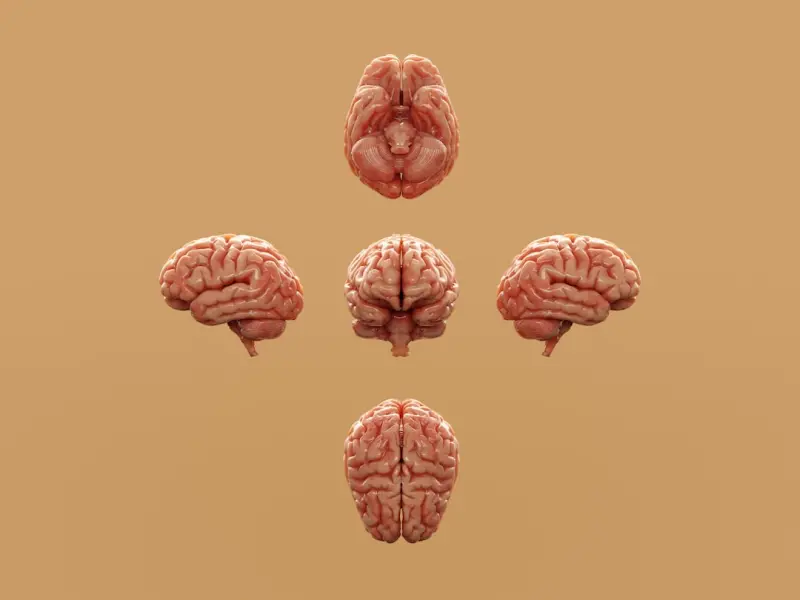
Why Neuro‑Fitness Matters Now
When I first started coaching executives on performance, the conversation always circled back to output. “How many deals can you close this quarter?” “What’s your pipeline growth?” The brain, however, was an invisible variable—assumed to be a static engine that simply ran harder under pressure. Recent research tells a different story: our cognition is a muscle that can be trained, recovered, and even rewired on a daily basis. In the age of perpetual Zoom calls, AI‑driven dashboards, and inbox avalanches, a neuro‑fitness regimen isn’t a luxury; it’s a survival skill.
Neuro‑fitness blends three pillars—mental conditioning, environmental optimization, and nutritional support—to keep the brain agile, resilient, and future‑proof. Below, I unpack each pillar with actionable tactics you can embed into a hectic schedule without needing a PhD in neuroscience.
Micro‑Learning: Training Your Brain in Bite‑Sized Sessions
Think of your brain as a high‑performance car engine. You wouldn’t flood it with a single, massive tank of fuel and expect it to run smoother for hours. Instead, you’d use precision‑timed injections that match the engine’s rhythm. The same principle applies to learning.
Research on spaced repetition and retrieval practice shows that 5‑minute “knowledge sprints” spaced throughout the day produce deeper retention than a single, 60‑minute study block. Here’s how to turn that insight into a habit:
- Identify a “brain snack”—a single concept, statistic, or skill you want to master.
- Schedule three micro‑sessions each workday (morning, post‑lunch, late afternoon) using a timer.
- Use active recall—close your notes and recite the information out loud or write it from memory.
- Close the loop—at the end of the week, review all brain snacks in a 10‑minute synthesis session.
This method not only strengthens neural pathways but also combats the “knowledge decay” that plagues even the sharpest minds after a long weekend of meetings.
Ambient Light and Acoustic Design for Cognitive Edge
Most of us treat office lighting as an after‑thought, opting for harsh fluorescents or, worse, a dimly lit “focus cave.” Yet the spectral quality of light directly influences the brain’s alertness circuits. Blue‑rich light in the morning stimulates the suprachiasmatic nucleus, synchronizing circadian rhythms and boosting dopamine release. In the afternoon, warmer amber tones help transition the brain into a more reflective state, enhancing creative problem‑solving.
Acoustic clutter is another silent saboteur. Open‑plan offices generate a constant “cocktail party effect,” forcing the brain to filter irrelevant chatter—an energy‑intensive process that erodes focus over time. Simple acoustic tweaks can free up cognitive bandwidth:
- Desk lamps with tunable color temperature—set to cool white (≈6,500 K) for tasks requiring analytical thinking, then shift to warm white (≈2,700 K) for strategic planning.
- Noise‑cancelling headphones or “focus pods” that deliver a gentle pink noise background, proven to improve concentration by up to 23%.
- Strategic placement of acoustic panels or even a bookshelf filled with soft items to dampen reverberations.
When you pair the right light spectrum with an optimized soundscape, you’re essentially giving the brain a clean runway for neural traffic.
Gut‑Brain Axis: Food as Neuro‑Fuel
The gut‑brain connection isn’t a buzzword; it’s a bi‑directional highway where metabolites, neurotransmitters, and immune signals travel nonstop. A thriving microbiome can produce up to 90% of the body’s serotonin—a key mood and cognition regulator. That’s why I constantly reference Microbiome Hacks for High‑Performance Professionals when coaching clients on brain health.
Two dietary strategies stand out for cognitive performance:
- Fermented foods as neuro‑boosters. Sauerkraut, kimchi, kefir, and kombucha supply live cultures that enhance short‑chain fatty acid production, which in turn supports the blood‑brain barrier. For a quick neuro‑fuel boost, add a tablespoon of fermented vegetables to your midday salad.
- Polyphenol‑rich “brain berries”. Blueberries, blackberries, and even dark chocolate deliver flavonoids that improve synaptic plasticity. Pair them with a source of healthy fat—like walnuts or avocado—to maximize absorption.
To dive deeper into the fermentation angle, check out How Tiny Food Ferments Can Supercharge Your Gut and Mood. The article outlines simple starter kits that fit in a single lunchbox, making it easy to integrate fermented bites into a busy day.
Movement, Posture, and Cerebral Flow
Ever notice how a brief walk after a marathon meeting clears the mental fog? That’s not coincidence. Physical activity promotes the release of brain‑derived neurotrophic factor (BDNF), a protein that fuels neurogenesis and memory consolidation. Even low‑intensity movement—like a 2‑minute “desk stretch”—can increase cerebral blood flow by 15%.
Posture is the unsung hero of cerebral perfusion. Slouching compresses the thoracic cavity, limiting oxygen delivery to the brain. Here’s a quick posture reset you can perform without leaving your workstation:
- Sit tall with feet flat, shoulders relaxed, and chin slightly tucked.
- Take a deep diaphragmatic breath, expanding the lower ribs.
- Hold for 5 seconds, then exhale slowly while gently rolling shoulders back.
Repeat this sequence three times every hour. Over a week, you’ll notice sharper focus and less mid‑day slump.
Digital Minimalism: Reducing Cognitive Load
Our screens are relentless information cannons. Each notification triggers a brief dopamine spike followed by a “context‑switch penalty” that can cost up to 25 minutes of productive thinking. The antidote is digital minimalism—curating your digital environment to support, not sabotage, cognition.
Implement these low‑friction changes:
- Batch notifications. Turn off all non‑essential alerts and allocate two 15‑minute windows per day to review emails and messages.
- Use a “focus mode” app. Tools like Freedom or Forest block distracting sites during deep‑work blocks, preserving working memory capacity.
- Adopt a single‑screen workflow. Keep reference material on one monitor and primary tasks on the other to reduce eye‑travel fatigue.
By pruning digital noise, you free up mental real estate for higher‑order thinking—strategy, synthesis, and creative problem‑solving.
Home Environment Hacks for Cognitive Longevity
What you do after work matters just as much as what you do during it. A well‑designed home environment can act as a “cognitive recovery zone.” For ideas on subtle tweaks that yield outsized benefits, see How Small Home Tweaks Can Supercharge Healthy Aging. Below are three brain‑friendly adjustments you can roll out this weekend:
- Introduce natural greenery. Plants like spider plant or snake plant release oxygen at night, improving sleep quality and, by extension, memory consolidation.
- Optimize bedroom temperature. Aim for 68‑70°F (20‑21°C) to promote deep REM cycles, where the brain clears metabolic waste.
- Establish a “technology curfew.” Switch off screens at least an hour before bedtime, allowing melatonin to rise unhindered.
These changes create a regenerative backdrop that supports the neuro‑fitness work you do during the day.
Putting It All Together: A Daily Neuro‑Fitness Routine
Here’s a practical 8‑hour schedule that weaves the above pillars into a seamless flow. Feel free to adjust the timing to fit your calendar.
| Time | Action |
|---|---|
| 08:00‑08:10 | Morning light exposure (cool‑white lamp) + 5‑minute brain snack (micro‑learning) |
| 09:30‑09:35 | Desk stretch & posture reset |
| 10:45‑10:50 | Second brain snack (active recall) |
| 12:00‑12:15 | Lunch with fermented side and polyphenol berry mix |
| 13:30‑13:35 | Walk or stair climb (2‑minute movement boost) |
| 15:00‑15:05 | Third brain snack (quick quiz or flashcard) |
| 17:00‑17:05 | End‑of‑day acoustic wind‑down (pink noise) + warm‑light transition |
| 19:00‑20:00 | Evening “tech curfew,” plant care, and light reading |
Consistency beats intensity. Even if you only manage half the steps on a hectic day, you’re still training the brain’s adaptability muscle.
Final Thoughts: Brain Health as a Competitive Advantage
In the same way that athletes fine‑tune nutrition, sleep, and training to shave seconds off a sprint, high‑performing professionals can sharpen cognition to gain a decisive edge. Neuro‑fitness isn’t about radical lifestyle overhauls; it’s about integrating micro‑adjustments that cumulatively protect and enhance the organ that drives every business outcome.
Start small, track the impact, and iterate. Your future self—and your bottom line—will thank you.

Craig Brett is a freelancer with a passion for the outdoors. His love for nature inspires his work, bringing authentic and engaging perspectives to projects related to outdoor activities, adventure, and environmental topics.
Related Posts

Off‑Loading Your Mind: External Memory Tools for Sharper Thinking
Learn practical digital and analog strategies to off‑load low‑value information, boost working m... Read More

Reclaim Your Brainpower: Building a Memory Palace for Modern Professionals
Learn to harness spatial memory with the Memory Palace method, a science‑backed strategy that impr... Read More
Brain‑Boosting Digital Minimalism: Reclaiming Focus in a Hyper‑Connected World
A deep dive into practical strategies for reducing screen overload, optimizing tech use, and nurturi... Read More
Top Posts

Detoxifying the Digital Age: Reclaim Your Body from Everyday Electromagnetic Toxins
A fresh look at detox that goes beyond juices and fasts, focusing on reducing electromagnetic exposure from devices, grounding practices, light management, and ...Read More

The Hidden Levers of Muscle Growth: A Systems Approach
Muscle growth isn’t just about lifting heavier; it’s a complex system of signals, nutrition, sleep, and stress management. This guide reveals how micro‑ad...Read More

Embracing Holistic Aging: A Personal Journey to Vibrant Longevity
A heartfelt guide to thriving in later years through holistic habits—nutrition, movement, sleep, gut health, and social connection....Read More

When Algorithms Meet Muscles: AI’s Role in Modern Physiotherapy
An in‑depth look at how artificial intelligence is revolutionizing physiotherapy, from smart motion capture to predictive injury prevention, and what this mea...Read More
0 Comments
Post Comment
You will need to Login or Register to comment on this post!