
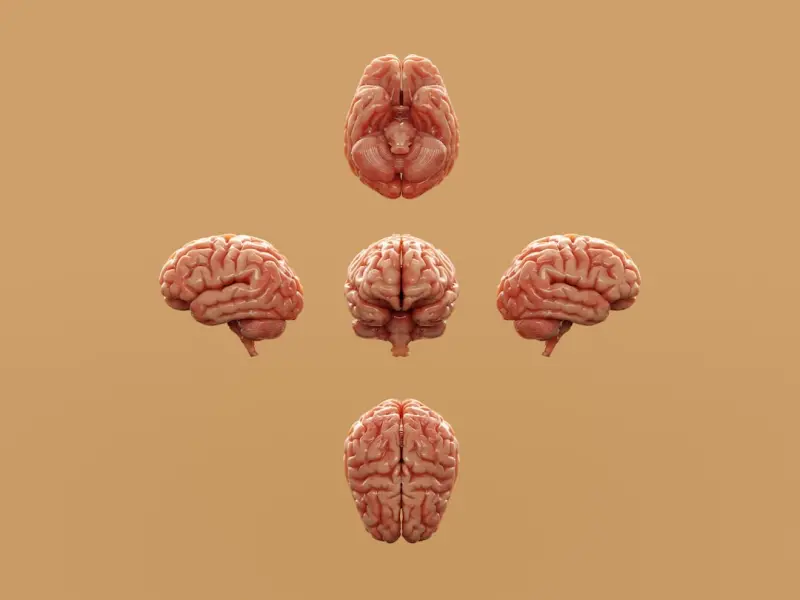
Why Your Gut Is the Unsung Hero of Mental Performance
When I first stepped into a crowded conference room, clutching a coffee that tasted like burnt rubber, I felt my brain fogging up faster than the Wi‑Fi. I blamed the caffeine, the lack of sleep, and the looming deadline. What I didn’t realize was that the real culprit was sitting quietly in my belly, sending mixed signals to my brain. In the past few years, I’ve gone from a skeptic to a self‑proclaimed “gut‑enthusiast,” and I’m convinced that the microbiome is the next frontier for anyone who wants razor‑sharp focus, steady mood, and resilient energy.
The Microbiome‑Brain Highway: How It Works
Think of your gut as a bustling city of microbes—bacteria, fungi, and even viruses—that outnumber your own cells by ten to one. These tiny tenants produce short‑chain fatty acids, neurotransmitters like serotonin and GABA, and a host of metabolites that travel straight to the brain via the vagus nerve, the bloodstream, and even the immune system. When the ecosystem is balanced, you feel clear‑headed, motivated, and emotionally steady. When it’s out of whack, you’re more likely to experience brain fog, anxiety, and cravings that sabotage even the best‑intended diet.
Why This Matters for Professionals
High‑performing professionals live in a state of perpetual stress: tight deadlines, back‑to‑back meetings, and the pressure to be “always on.” Most of the conventional advice—exercise, meditation, and better sleep—still applies, but it often ignores the biochemical underpinnings that can make or break those practices. For instance, you might meditate for 20 minutes and feel calmer, but if your gut is overrun by inflammatory bacteria, the cortisol‑reduction benefits can be muted.
In my own experience, integrating gut‑friendly habits turned a routine 3‑hour productivity slump into a burst of focus that lasted well into the evening. Below, I’ll share the three pillars that have helped me, and countless colleagues, turn the microbiome from a mystery into a measurable advantage.
Pillar 1: Eat for Diversity, Not Just Calories
Most nutrition advice focuses on what you eat—protein, carbs, fats—but rarely on how those foods shape microbial diversity. A diverse microbiome is like a robust investment portfolio; it can weather stressors and bounce back quickly.
- Fiber is your foundation. Aim for 30–40 grams of soluble fiber daily. Foods like chicory root, Jerusalem artichoke, and oats act as pre‑biotics, feeding beneficial bacteria.
- Fermented foods are the dividend. A tablespoon of sauerkraut, a cup of kefir, or a serving of kimchi delivers live cultures that directly seed your gut.
- Polyphenol‑rich plants are the growth accelerators. Berries, green tea, and dark chocolate contain compounds that specific microbes love.
It’s not about a strict regimen; it’s about variety. If you eat the same salad every day, you’re feeding the same handful of microbes. Switch it up—add a new vegetable, try a different fermented drink, sprinkle some cinnamon on your oatmeal—and you’ll keep the microbial marketplace vibrant.
Pillar 2: Timing Your Nutrition to Your Circadian Rhythm
Our bodies run on a 24‑hour clock, and the gut is no exception. Research shows that microbial composition fluctuates throughout the day, influencing hormone release, digestion, and even mood. Aligning your meals with these cycles can amplify mental clarity.
- Breakfast: Fuel the “awakening” microbes. Start with a fiber‑rich smoothie that includes oats, berries, and a splash of kefir. This jump‑starts short‑chain fatty acid production, which supports dopamine pathways for motivation.
- Mid‑day: Stabilize glucose and mood. Pair protein with polyphenols—think grilled salmon on a bed of spinach with a drizzle of pomegranate glaze. The combination sustains energy and prevents the post‑lunch dip.
- Evening: Light on fermentables. Heavy fermented meals close to bedtime can stimulate the vagus nerve and interfere with deep sleep. Opt for a light, cooked vegetable dish with a small serving of probiotic‑rich yogurt.
By syncing food intake with your body’s natural rhythms, you give your gut microbes the cue to produce the right metabolites at the right time—essentially turning your digestive system into a well‑timed orchestra that plays the soundtrack of focus.
Pillar 3: Stress Management That Talks to Your Gut
Stress is a two‑way street: mental tension can upset gut bacteria, and an imbalanced gut can amplify the stress response. Breaking this loop requires targeted techniques.
One surprisingly effective method is controlled breathing. A simple 4‑7‑8 pattern (inhale 4 seconds, hold 7, exhale 8) stimulates the parasympathetic nervous system, which in turn calms the gut’s “fight‑or‑flight” response. I practice this before any high‑stakes meeting; within minutes, I notice a reduction in the “butterflies” feeling and an improvement in mental sharpness.
Another tool is light movement breaks. While this blog already covered how movement can boost creative thinking—see How Movement Supercharges Creative Thinking at Work—the key here is to choose activities that also stimulate gut motility, like a brisk walk or a quick series of gentle twists. Even a five‑minute “micro‑walk” can improve peristalsis, which helps the microbiome maintain its balance.
Putting It All Together: A Sample Day
Below is a realistic schedule that integrates the three pillars. Feel free to tweak it to fit your industry, time zone, or personal preferences.
- 06:30 – Wake‑up breathwork. 4‑7‑8 breathing for two cycles while seated on the edge of the bed.
- 07:00 – Breakfast. Oat‑based smoothie with chia seeds, blueberries, a scoop of whey protein, and a splash of kefir.
- 09:30 – Micro‑walk. A five‑minute walk around the office or a hallway stretch.
- 12:00 – Lunch. Mixed greens, grilled salmon, quinoa, pomegranate seeds, and a drizzle of olive oil.
- 15:00 – Light snack. An apple with a tablespoon of almond butter and a handful of fermented pickles.
- 17:30 – Evening wind‑down. 10 minutes of meditation followed by a light dinner of roasted carrots, lentils, and a side of plain yogurt.
- 22:00 – Bedtime. A short gratitude journal entry to signal the brain that it’s time to relax, promoting a healthier vagal tone.
This routine isn’t a rigid checklist; it’s a scaffold you can adapt. The underlying principle is consistency—repeating these micro‑behaviors trains both your brain and your gut to work in harmony.
Measuring Success Without a Lab
Most professionals don’t have access to sophisticated microbiome sequencing, but you can still gauge progress.
- Stool consistency. The Bristol Stool Chart is a quick reference. Moving from hard, lumpy stools (type 1) toward a smooth, sausage‑shaped form (type 3–4) often signals improved gut health.
- Mood and focus logs. Track your energy levels, clarity, and anxiety on a simple 1‑10 scale each day. Over weeks, patterns emerge that correlate with dietary tweaks.
- Digestive comfort. Reduced bloating, less frequent heartburn, and fewer trips to the bathroom during meetings are good indicators.
If you notice positive shifts, keep iterating. If not, consider a brief Micro‑Habits approach—tiny, data‑driven changes that can fine‑tune your microbiome without overhauling your entire lifestyle.
Common Pitfalls and How to Dodge Them
Even with the best intentions, it’s easy to trip up.
- Over‑reliance on supplements. While probiotics can help, they’re not a substitute for a fiber‑rich diet. Think of them as a short‑term boost, not a permanent solution.
- All‑or‑nothing mindset. Skipping meals or drastically cutting carbs can starve beneficial microbes. Aim for balance, not deprivation.
- Ignoring personal sensitivities. Some people react to FODMAPs or specific fermentable foods. If you notice persistent discomfort, consider a low‑FODMAP trial or consult a nutritionist.
Remember, the gut is a living ecosystem—it thrives on nuance, not extremes.
Future Trends: Where the Science Is Heading
We’re on the cusp of a new wave of personalized gut health tools. Imagine a smartwatch that not only tracks heart rate but also detects volatile organic compounds in your breath to infer microbial activity. Or AI‑driven meal planners that suggest foods based on your real‑time stool analysis. While these technologies are still emerging, the foundation you lay today—diverse fiber, mindful timing, stress management—will make you ready to integrate them seamlessly when they arrive.
Takeaway: Your Gut Is a Strategic Asset
In the same way you’d fine‑tune a software stack for performance, consider your microbiome a core component of your mental operating system. By feeding it diversity, syncing meals with your circadian rhythm, and managing stress in gut‑friendly ways, you unlock a hidden reservoir of clarity, resilience, and creativity. The next time you’re faced with a high‑stakes presentation, remember: the real secret weapon may be humming quietly in your belly.

Kelly Reynolds is a dynamic freelance writer hailing from the picturesque landscapes of Alberta. A master of the written word, she juggles her passion for storytelling with the exhilarating chaos of being a mother to five spirited children. With an impressive portfolio that spans various genres, Kelly captivates readers through her engaging blog posts and thought-provoking articles.
Related Posts

Playful Movement: The Simple Secret to Boosting Mental Health
Explore the science and practical steps for turning everyday moments into joyful micro‑movements t... Read More

Micro‑Movements at the Desk: A Health Blueprint
A practical guide to integrating micro‑movements into the workday, showing how brief, frequent mot... Read More
Beyond the Basics: Unlocking Hidden Levers for Everyday Health
Explore under‑the‑radar health practices like aligning your internal clock, managing digital ove... Read More
Top Posts
Fueling Creative Flow: Nutrition Strategies for the High‑Performance Mind
A deep dive into practical nutrition strategies—from micronutrient timing and fermented foods to adaptogens and sustainable sourcing—designed to sharpen foc...Read More
Chrononutrition: Syncing Meals with Your Body Clock to Tame Blood Sugar
Learn how aligning meals with your body’s natural clock—known as chrononutrition—can improve insulin sensitivity, reduce glucose spikes, and enhance overa...Read More

Navigating Narcolepsy: Strategies, Tech, and Workplace Wins
A comprehensive guide offering actionable strategies, tech recommendations, and workplace accommodation advice to help professionals living with narcolepsy turn...Read More

The Hidden Code of Nighttime Panic: Decoding Adult Sleep Terrors
Sleep terrors aren’t just childhood scares—they’re a brain‑generated alarm signaling deeper stress, light exposure, and metabolic imbalances. This artic...Read More
0 Comments
Post Comment
You will need to Login or Register to comment on this post!