

When the night feels like a battlefield and your mind erupts in a scream you can’t quite remember, it’s easy to dismiss the experience as a glitch in the system. But what if those abrupt, heart‑racing jolts are actually a sophisticated alarm clock your body has been trying to set off? In this deep‑dive, I’m peeling back the layers of sleep terrors—not as a spooky curiosity, but as a concrete, data‑rich signal that can illuminate hidden imbalances in our nervous, hormonal, and metabolic systems.
What Exactly Are Sleep Terrors?
Sleep terrors, also known as pavor nocturnus, are brief episodes of intense fear that typically occur during the first third of the night, while the brain is still navigating the deep stages of non‑REM sleep. Unlike nightmares, which happen during REM sleep and are often remembered, a terror can leave you drenched in sweat, heart pounding, and with only a vague recollection of the panic.
Key characteristics include:
- Sudden onset—the episode can begin within seconds of falling asleep.
- Physical agitation—screaming, flailing, or sitting up abruptly.
- Limited recall—most people remember a fragment, if anything at all.
- Duration—usually under two minutes, but the after‑effects can linger for hours.
The Neuro‑Biology Behind the Panic
During deep non‑REM sleep, the brain’s thalamocortical circuits are in a low‑frequency, high‑amplitude state. This is a period of restorative processes: tissue repair, hormone regulation, and memory consolidation. If the system detects a threat—whether it’s a spike in cortisol, a sudden drop in blood sugar, or a misfiring of the autonomic nervous system—it can trigger a cascade that erupts as a sleep terror.
Research shows that the amygdala (our fear center) can become hyper‑responsive when the hypothalamic‑pituitary‑adrenal (HPA) axis is out of sync. In other words, a stressed body can “over‑react” to even subtle internal cues, mistaking them for danger.
Stress, Lifestyle, and the Hidden Triggers
Most of us think of stress as something that shows up in our waking hours, but it seeps into the night, too. Chronic workplace pressure, unresolved emotional conflict, or even the lingering adrenaline from an intense workout can keep the nervous system on high alert.
Consider these overlooked contributors:
- Screen exposure before bed—blue light suppresses melatonin, nudging the brain into a lighter sleep stage where terrors are more likely.
- Irregular sleep schedules—shifting the circadian rhythm can destabilize the deep‑sleep architecture.
- Excessive caffeine or nicotine—both stimulate the sympathetic nervous system, making it harder to settle into deep sleep.
- Unprocessed trauma—the brain may replay fragmented emotional memories during the night, manifesting as sudden terror.
Nutrition, Hormones, and the Blood‑Sugar Connection
Blood‑sugar swings are more than a diabetes concern; they can directly impact sleep stability. A rapid drop in glucose during the night triggers a release of adrenaline and cortisol—exactly the hormones that can spark a terror episode.
Balancing macronutrients before bedtime, especially incorporating slow‑release carbs and a modest protein source, can smooth out those nocturnal dips. Additionally, certain micronutrients—magnesium, zinc, and B‑vitamins—play a crucial role in calming the nervous system.
If you’re curious about how light, timing, and environment interact with your blood‑sugar dynamics, check out The Hidden Rhythm: Light, Timing, and Environment as Your Blood Sugar Conductors. Understanding those relationships can help you design a bedroom ecosystem that supports metabolic steadiness.
Leveraging Modern Tech to Track the Unseen
Wearable devices have come a long way from simply counting steps. Many now monitor heart‑rate variability (HRV), skin conductance, and even subtle micro‑movements that occur during sleep. These metrics can act as an early warning system for autonomic spikes that precede a terror.
When you pair that data with a journal of daytime stressors, you can start to map patterns:
- Did a high‑intensity workout the day before correlate with an increased HRV spike at night?
- Did a particularly stressful meeting align with a night‑time cortisol surge?
Such insights allow you to experiment—maybe swapping that late‑afternoon cardio for a gentle yoga flow, or incorporating a brief meditation before lights‑out.
Brain Vitality and Curiosity: A Surprising Ally
Engaging your mind in novel, low‑stress learning activities before bed—like a crossword puzzle, a language app, or gentle reading—can stimulate neuroplasticity without over‑activating the stress response. This “curiosity‑driven” brain workout supports the hippocampus and prefrontal cortex, helping them regulate the amygdala more effectively.
For a deeper dive into how everyday curiosity fuels mental resilience, explore Neuro‑Nourishment: How Everyday Curiosity Fuels Brain Vitality. The principle holds true for sleep too: a mind that’s gently exercised is less likely to over‑react during the night.
Sound, Sensors, and Serenity: Calming the Autonomic System
Ambient soundscapes aren’t just mood enhancers; they can directly affect the parasympathetic branch of the nervous system. Low‑frequency, rhythmic noises—like distant ocean waves or a steady rain—have been shown to lower heart rate and promote deeper, more stable non‑REM sleep.
If you’re interested in the cutting‑edge research on acoustic interventions, see Sound, Sensors & Serenity: New Ways to Tame Blood Pressure. The same mechanisms that help regulate blood pressure can also mute the hyper‑reactivity that fuels sleep terrors.
Practical Nighttime Rituals to Reduce Terrifying Episodes
Below is a step‑by‑step routine you can experiment with for the next two weeks. Track any changes in frequency, intensity, or morning mood.
- Wind‑Down Window (60‑90 minutes): Dim lights, switch off screens, and engage in a low‑stimulation activity (e.g., sketching, journaling). Keep caffeine and heavy meals off the table.
- Temperature Check: Aim for a bedroom temperature between 60‑67°F (15‑19°C). A cooler environment supports deeper sleep cycles.
- Grounding Breathwork: Perform 4‑7‑8 breathing (inhale 4 sec, hold 7 sec, exhale 8 sec) for three cycles. This activates the vagus nerve, priming the parasympathetic system.
- Targeted Nutrition: A small snack containing 20‑30 g of complex carbs and 10 g of protein (e.g., Greek yogurt with berries) 30 minutes before bed can stabilize overnight glucose.
- Soundscape Activation: Play a curated ambient track at low volume, using a speaker placed away from the head to avoid abrupt auditory spikes.
- Wearable Monitoring: Record HRV and skin conductance throughout the night. Note any spikes that align with awakenings.
- Morning Reflection: Upon waking, jot down any fragmentary memories, emotional tone, and physical sensations. Over time, patterns will emerge.
From Fear to Feedback: Reframing the Narrative
The most empowering shift is to view sleep terrors not as a random horror show but as a feedback loop. Each episode is a data point that tells you something about your internal equilibrium—be it stress overload, hormonal imbalance, or environmental discord.
When you start asking “What is my body trying to tell me?” instead of “Why is this happening to me?”, the terror loses its power to frighten and gains the power to guide.
When to Seek Professional Help
While many sleep terrors are benign and manageable with lifestyle tweaks, certain red flags merit a clinical evaluation:
- Frequent episodes (more than three times a week) that disrupt your partner’s sleep.
- Associated symptoms such as daytime fatigue, anxiety, or depressive moods.
- Underlying medical conditions like sleep apnea, restless leg syndrome, or hormonal disorders.
- Any indication of self‑harm or severe distress.
A sleep specialist can conduct polysomnography (a full sleep study) to rule out other sleep disorders and may recommend cognitive‑behavioral therapy for insomnia (CBT‑I) or targeted pharmacologic options.
Final Thought: Embrace the Night as a Mirror
Sleep terrors are uncomfortable, but they’re also incredibly honest. They don’t masquerade—they scream. By listening, adjusting, and integrating the insights they provide, you can transform those midnight alarms into a roadmap for a more balanced, resilient life.

Nikki McDonald is a freelancer based in Waterloo. She brings her skills and expertise to various projects, balancing her professional work with a personal life that includes her husband, Stewart.
Related Posts

Living in the Shadows: My Battle with Sleep Terrors
A personal account of battling sleep terrors, revealing holistic strategies—from diet to breathwor... Read More

Sleep Terrors as a Secret Engine for Creative Resilience
Sleep terrors aren’t just disruptive nightmares—they’re physiological alerts that can be mappe... Read More
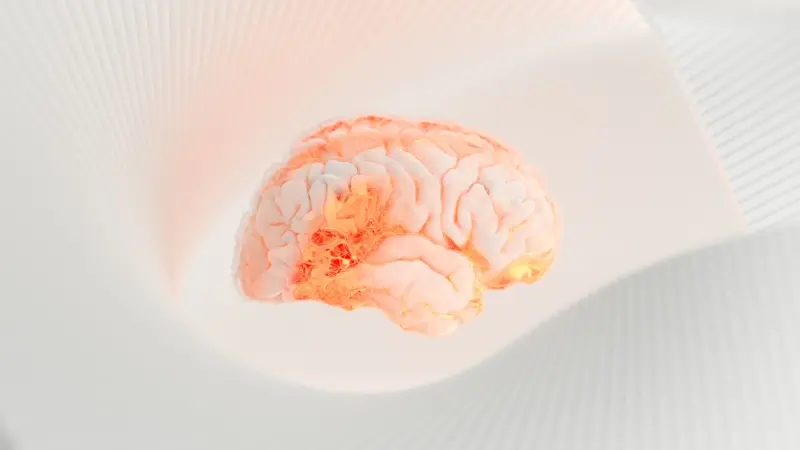
When the Brain Screams: Decoding Sleep Terrors for Better Health
Sleep terrors are more than nighttime scares—they reveal how our brain’s alarm system, stress re... Read More
Top Posts

Craig Brett’s Holistic Blueprint for a Healthy Liver in 2024
Craig Brett reveals a comprehensive liver‑first plan that blends diet, sleep, exercise, gut health, and targeted herbs, empowering you to protect and rejuvena...Read More

The Emotional Reset: Building a Rhythm Workout for Resilience
Learn how to use a simple, beat‑driven workout to regulate emotions, enhance cognition, and build resilience without sacrificing time or equipment....Read More

Gut Health Unlocked: A Holistic Journey to Balanced Digestion and Vitality
Explore a comprehensive, holistically‑focused guide to gut health, blending nutrition, stress management, sleep, and movement for lasting digestive balance an...Read More

The Hidden Lever: Harnessing Neural Drive for Unstoppable Muscle Growth
This article reveals the overlooked power of neural drive, mind‑muscle connection, and strategic recovery, offering a fresh, brain‑first approach to buildin...Read More
0 Comments
Post Comment
You will need to Login or Register to comment on this post!