

Ever walked into a kitchen and felt like the space was whispering a secret to your senses? I’ve spent years watching how a splash of crimson tomato, the crunch of a fresh carrot, or the faint perfume of toasted sesame oil can shift a mood, sharpen focus, or even lift a lingering fog from the mind. Nutrition isn’t just about calories and macros; it’s a full‑sensory dialogue between food and brain. In this post I’m pulling back the curtain on flavor architecture—the intentional design of color, texture, aroma, and timing to create meals that do more than fill a stomach; they train a brain.
Why “Flavor Architecture” Matters
Traditional nutrition advice often reduces food to numbers: grams of protein, carbs, fats, and a handful of vitamins. While those metrics are essential, they miss the experience of eating. Our brains are wired to respond to sensory cues. The sight of a vivid green salad can trigger dopamine pathways that signal reward, while a satisfying crunch releases serotonin that calms anxiety. When we design meals that deliberately engage these pathways, we unlock a hidden layer of cognitive support.
The Science of Sensory Nutrition
Neuroscientists have mapped out how each sense influences the brain’s learning and memory centers. Here’s a quick rundown:
- Vision—Color-rich foods activate the prefrontal cortex, boosting attention and decision‑making.
- Touch—Texture cues (creamy, crunchy, fibrous) stimulate the somatosensory cortex, enhancing satiety signals.
- Smell—Aromas travel directly to the olfactory bulb, which is tightly linked to memory formation.
- Taste—Sweet, salty, bitter, sour, umami each have distinct neural pathways that modulate mood.
When these senses harmonize, the brain receives a richer “nutritional soundtrack,” improving everything from focus to emotional regulation.
Color: The Visual Fuel for Focus
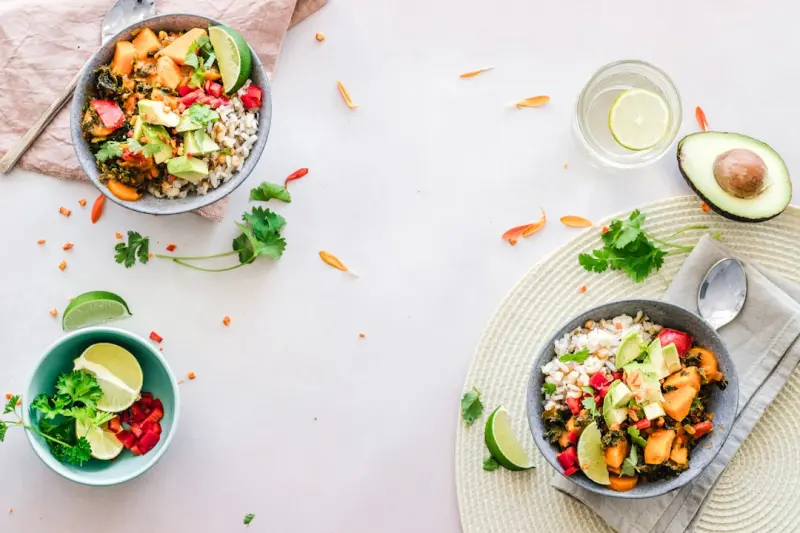
Imagine a plate dominated by pale, monotone fare. It can feel like a mental lull. In contrast, a rainbow of vegetables—deep blues of purple cabbage, bright orange of sweet potatoes, vivid reds of bell peppers—creates a visual feast that can jump‑start the brain’s alertness.
Research shows that exposure to certain wavelengths can influence circadian rhythms and even metabolism. If you’ve ever noticed a burst of energy after a beet‑laden salad, you’ve tasted that effect. Pairing colorful foods with natural light (yes, the same light discussed in How Light Shapes Your Health: From Mood to Metabolism) amplifies the benefit, syncing visual stimulation with hormonal cues.
Texture: Crunch, Cream, and Cognitive Crunch Time
Texture isn’t just about enjoyment; it’s a signal to the brain about fullness and nutrient density. A study in the Journal of Food Science found that crunchy foods trigger a higher release of peptide YY, a hormone that tells your brain you’re satiated.
Here are three texture strategies to keep your mind sharp:
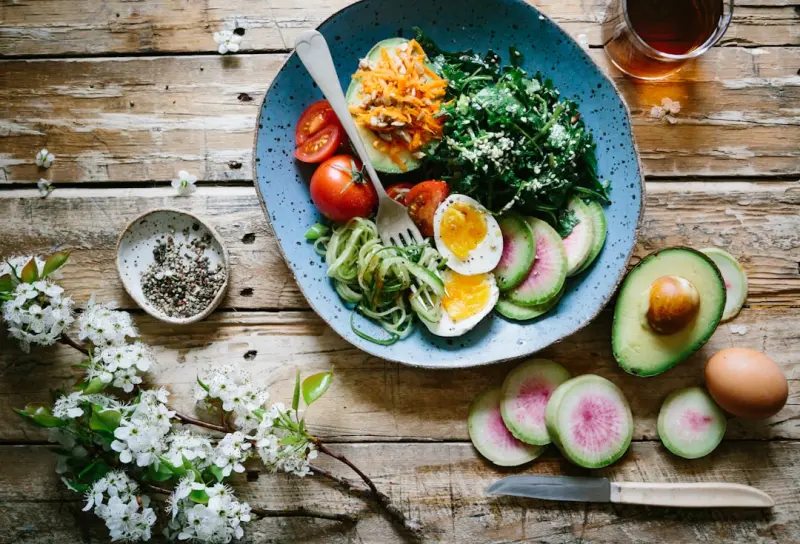
- Contrast—Combine creamy avocado with crisp radish slices. The juxtaposition forces the brain to stay engaged, slowing down eating speed and improving nutrient absorption.
- Layering—Create a multi‑layered parfait: silky Greek yogurt, nutty granola, and soft berries. Each layer offers a distinct mouthfeel, extending the eating experience and promoting mindful chewing.
- Temperature Play—Serve a warm soup alongside chilled cucumber ribbons. The thermal contrast heightens sensory perception, which can sharpen mental acuity.
Aroma: The Olfactory Shortcut to Memory
Ever walked into a kitchen and instantly felt nostalgic? That’s the olfactory system at work, linking scent to memory faster than any other sense. Leveraging aroma can therefore become a tool for mental performance.
Try these aromatic hacks:
- Herb Infusions—Add a sprig of rosemary or thyme to your broth. Their piney notes stimulate the hippocampus, the brain’s memory hub.
- Spice Routines—Cinnamon, cardamom, and clove release volatile compounds that increase blood flow to the prefrontal cortex, enhancing focus.
- Essential Oil Pairings—A few drops of citrus essential oil (e.g., lemon) on a plate can lift mood without adding calories.
Timing: Syncing Meal Rhythm With Brain Waves
While we’re steering clear of the gut‑clock conversation, the timing of sensory cues can still be a game‑changer. Consuming a high‑color, high‑aroma breakfast within an hour of waking aligns with the brain’s natural surge of cortisol, turning that hormonal rise into a productivity boost.
For a mid‑day slump, a snack that mixes crunch (e.g., raw almonds) with bright berries can re‑activate dopamine pathways, keeping the post‑lunch dip at bay.
Mindful Eating: Turning the Plate Into a Training Ground
Mindfulness isn’t just a buzzword; it’s a cognitive exercise. When you pause to notice the glint of olive oil, the snap of a green bean, or the scent of a simmering stew, you’re strengthening neural pathways that support attention and emotional regulation.
Practical steps:
- Set a timer for 20 minutes and eat without distractions.
- Before each bite, identify three sensory elements (color, texture, aroma).
- Reflect briefly on how each element makes you feel—energized, calm, curious?
Integrating Flavor Architecture Into Your Daily Routine
Here’s a sample day that embodies the principles above:
- Morning: A smoothie bowl topped with dragon fruit (vivid pink), toasted coconut flakes (crunch), and a drizzle of fresh mint oil (aroma).
- Mid‑Morning Snack: Sliced bell peppers (color) paired with hummus spiced with smoked paprika (aroma).
- Lunch: Quinoa salad with roasted beetroot, kale, and feta; finished with a lemon‑thyme vinaigrette and a side of warm, crusty sourdough (texture contrast).
- Afternoon Boost: A handful of raw walnuts (crunch) and a cup of green tea infused with jasmine blossoms (aroma).
- Dinner: Pan‑seared salmon with a rosemary‑garlic glaze, served alongside caramelized carrots (sweet aroma) and a cold cucumber‑yogurt dip (cool texture).
This menu isn’t about counting macros; it’s about designing a sensory journey that fuels both body and brain.
When Nutrition Meets Lifestyle Design
Think of your kitchen as a studio, and each meal as a composition. Just as a musician layers notes, a chef layers colors, textures, and aromas to create harmony. By treating meals as intentional designs, you invite your brain to practice pattern recognition, reward processing, and emotional regulation—skills that translate beyond the dining table.
And if you’re already on a path of holistic health, you’ll find this approach dovetails nicely with other wellness strategies. For instance, the habit‑based detox framework emphasizes small, consistent actions that cleanse both body and mind. Adding flavor architecture to that mix amplifies the effect, turning everyday meals into mini‑detox rituals that refresh mental clarity.
Takeaway: Build Your Own Flavor Blueprint
Start small. Choose one meal a week to redesign using the three pillars—color, texture, aroma. Track how you feel: Are you more alert after breakfast? Does a crunchy snack curb a mid‑day slump? Over time, you’ll develop an intuitive sense for which sensory combos support your goals, whether that’s sharper focus, steadier mood, or simply a deeper enjoyment of food.
Remember, nutrition is a living conversation. The more you speak it in vivid, multisensory terms, the richer the dialogue with your brain becomes. So next time you reach for a fork, think of it as a conductor’s baton—ready to orchestrate a symphony of flavors that not only nourish but also train the mind.

Tammy French is a Montessori Teaching Assistant and freelance writer passionate about education, creativity, and inspiring lifelong learning through engaging content.
Related Posts
Fueling Creative Flow: Nutrition Strategies for the High‑Performance Mind
A deep dive into practical nutrition strategies—from micronutrient timing and fermented foods to a... Read More
Nutritional Epigenetics: Eating Your Way to a Healthier Genome
Nutritional epigenetics reveals how diet can switch genes on or off. This article explores the mecha... Read More
Seasonal Nutrition: Aligning Your Plate with Nature’s Rhythm
Learn how eating with the seasons can enhance energy, mood, and gut health while supporting the envi... Read More
Top Posts

Reclaiming Cultural Food Stories to Heal Eating Disorders
Discover a fresh healing path: using cultural food stories, rituals, and community kitchens to rebuild a positive relationship with eating and identity....Read More

Why Traditional Muscle‑Gain Advice Feels Outdated
When I first stepped onto a gym floor after a year of remote work, the clang of metal and the scent of rubber felt almost alien. I’d spent months optimizing m...Read More
Sweat the Small Stuff: How Skin‑First Detox Can Transform Your Energy
Explore the untapped power of skin‑first detox with practical sauna, cold‑exposure, and movement strategies that help release toxins, improve skin health, a...Read More

How Storytelling Becomes a Healing Ally in the Cancer Journey
Personal narratives can transform the cancer experience by reducing stress, supporting gut health, and enhancing immune function. This article explains the scie...Read More
0 Comments
Post Comment
You will need to Login or Register to comment on this post!